

Stories
By the Numbers: 17 November 2025
November 18, 2025
1.9 Million
The number of children who receive care in the Military Health System, according to an article in the journal Alcohol: Clinical and Experimental Research --Diagnosing prenatal alcohol exposure and fetal alcohol syndrome in military-connected children: Insights from US military data claims, 2016–2023.
One thousand four hundred seventy six unique children had any diagnosis between 2016 and 2023 (PAE (Prenatal Alcohol Exposure) only: 301; FAS (Fetal Alcohol Syndrome) only: 1061; both: 114). Period prevalence was 0.42 cases per 1000 children. Cumulative incidence was 0.34 cases per 1000 children for 2017–2023 using 2016 as a 1-year washout. Average age at any diagnosis was 8.3 years. Factors associated with increased likelihood of diagnosis were male sex; being in guardianship; sponsor of senior officer rank; and sponsor affiliated with the Air Force or Other Service branch. Factors associated with decreased likelihood of diagnosis included Black or Other race; being a stepchild; sponsor of junior enlisted or junior officer rank; and sponsor in the Marine Corps.
Research at CDP: A New Effort to Improve the Measurement of Disturbing Dreams
November 14, 2025
The Center for Deployment Psychology’s Research Team is excited to introduce a new effort to improve our assessment of disturbing dreams.
The Big Picture
The existing measures of negative dreams often utilize a specific term such as bad dreams, nightmares, or disturbing dreams to assess the severity or frequency of the dreams. Just as assessments use various terms for negative dreams, so do individuals. It is not surprising that individuals report different levels of negative dreams across the various measures. We suggest that there are two reasons that reports may vary. First, the term utilized in the measure may not align with the individual’s preferred term or definition for their negative dream. For example, some individuals consider bad dreams to be less severe than nightmares, so they may not report nightmares if they consider their dreams to not be severe. Additionally, bad dreams and nightmares are often stigmatized, and individuals may not be comfortable using these terms. We suggest a new approach may improve our ability to identify individuals experiencing disturbing dreams.
Participant Eligibility and Study Activity
We are seeking subject matter experts (clinicians and doctoral researchers) in dreams and/or nightmares to take part in a Lawshe study informing the development of a new measure. Participation includes reviewing the current version of the measure and providing feedback on the included items. We estimate this will take approximately xx minutes. You may be asked to provide feedback at a second time point.
Get Involved
To learn more or to take part in this exciting project, please email cat-research.cdp@usuhs.edu with a brief description of your professional experience with dreams and/or nightmares.
By the Numbers: 29 September 2025
September 29, 2025
8%
The percentage of the incarcerated population in the U.S. comprised of veterans, according to an article in the journal Federal Practitioner -- Examining Moral Injury in Legal-Involved Veterans: Psychometric Properties of the Moral Injury Events Scale.
One hundred veterans with a history of incarceration completed the MIES (Moral Injury Events Scale) and an adapted version for legal-involved persons (MIES-LIP). More than 90% of participants reported potentially morally injurious experiences in the legal context. While confirmatory factor analysis did not support the proposed factor structure of the MIES-LIP, an exploratory factor analysis supported a 2-factor solution characterized by self- and other-directed moral injury.
Research at CDP: Advancing Suicide Prevention Efforts Among Service Members and Veterans Through Research
September 26, 2025
By: Linda Thompson, Jaime Rodden, Maegan M. Paxton Willing
This Suicide Prevention Month, CDP’s research team is taking a proactive approach to one of the most pressing challenges facing the military community. Suicide among service members and veterans remains a public health concern, with rates far exceeding those seen in the general population. Although many factors are associated with suicide risk, sleep problems have emerged as a critical, yet under-recognized factor. Prior work consistently demonstrates that poor sleep is not only common among military personnel, but also closely linked to worsening mood, hopelessness, and suicidal thoughts.
In recognition of this, our team is collaborating with researchers at San Diego State University and the National Center for PTSD to utilize sleep health interventions to reduce suicide risk through a population health approach. This study recognizes the many ways in which we can support service members’ sleep and mental health by teaching health sleep habits as a proactive strategy, providing specific training to leaders regarding the importance of sleep for the military mission, and providing individual recommendations for problematic sleep using mobile health applications (Insomnia Coach). Our team hopes that by improving sleep health that we may also improve their mental health. Learn more about this study at https://cdp.usuhs.edu/blog/research-cdp-introducing-sleep-ed-mc-study.
Additionally, one of the greatest challenges with suicide prevention is that suicidal thoughts can change rapidly, often over a matter of hours. Traditional research methods typically rely on participants recalling their experiences over the past week or month, but this retrospective approach prevents identification of important warning signs and patterns. While we raise awareness, we also know that effective prevention relies on better understanding the problem. One way to address this is through the use of ecological momentary assessments, which assess suicidal thoughts and related symptoms several times throughout the day within an individual’s daily life. Inclusion of common wearables, such as Fitbits, allow us to observe the effects of sleep on suicide risk. By pairing physiological data with participants’ self-report, we gain a clearer picture of how disrupted sleep and changes in mood and suicidal thoughts are interwined.
This approach allows us to 1) detect early warning signs of suicidal crisis that might otherwise be missed, 2) identify specific times of heightened vulnerability, such as after poor sleep, and 3) pinpoint critical intervention windows when support could be more effective. Learn more about this study at https://cdp.usuhs.edu/blog/research-cdp-introducing-dreamss-study.
Ultimately, we hope these efforts will contribute to building targeted, scalable interventions for the broader military and veteran communities. If we can understand when suicide risk escalates and why, we can help develop tools that deliver support in the moments when service members and veterans need it the most.
Get Involved
To learn more about our current research efforts examining this important relationship, visit our website at cdp.usuhs.edu/research.
Research at USUHS & CDP: Introducing the PreparED Study
September 25, 2025
by Ariana Bazzi and Jaime Rodden
An exciting collaboration between the Uniformed Services University Department of Medical and Clinical Psychology and the Center for Deployment Psychology is investigating a standardized training program for eating disorders within military settings.
About the PreparED Study
The PreparED study centers around a standardized online educational program on eating disorders. The 85 minute course consists of an introduction by Dr. Tanofsky-Kraff describing the unique presentation of eating disorders in military populations followed by modules on Assessment, Medical Complications, Treatment, and Military-Relevant Considerations. Ultimately, the PreparED curriculum is intended to give healthcare providers a clear and comprehensive all-in-one guide to understanding eating disorders in the military.
The Big Picture
Eating disorders appear at higher rates among our service members compared to the general population. This increased vulnerability is often tied to the unique pressures of military life, such as constant exposure to high-stress environments, and the significant impact of conditions including, but not limited to posttraumatic stress disorder and major depressive disorder. To address this critical need, Columbia University Medical Center, has developed a publicly accessible online course and partnered with our study team to train military providers. The curriculum is designed specifically for future healthcare professionals, including students and trainees to provide them with the essential knowledge and practical tools to better understand, identify, and support individuals affected by eating disorders, ultimately aiming to improve care for those who have served.
Participant Eligibility and Study Activities
Medical providers and providers from the Defense Health Agency (DHA) serving as a primary care or other direct care provider to military-connected patients are eligible to participate in the study. Participants are provided with a SurveyMonkey link to take a pre-survey. Participants are then asked to complete the online 70 minute course and post-course survey within a month from completion of the pre-survey.
Get Involved
For more information about the PreparED study, visit our website at https://cdp.usuhs.edu/Eating-Disorders-Base or reach out to the Research Assistant Ariana at Ariana.Bazzi.ctr@usuhs.edu To participate in the study, review the informed consent document: https://www.surveymonkey.com/r/QXSTNH2
Staff Perspective: They Don’t Trust Us—and It’s Our Responsibility to Fix It
September 24, 2025
 By
By Hopefully, the title hooked you. Now what am I talking about? And who is “us”? The “what” is conversations about firearm safety and suicide prevention. The “who” is healthcare providers. Let’s take a few steps back…
Why Firearm Safety Matters in Suicide Prevention
In the U.S. and military communities, firearms play a uniquely lethal role in suicide:
- Civilian deaths: Firearms account for ~52% of suicide deaths (Centers for Disease Control; CDC, 2024).
- Active-duty service members (Department of Defense; DOD, 2024):
Firearms: 7% of attempts → 65% of deaths
Self-poisoning (overdose): 54% of attempts →< 6% of deaths - Lethality gap:
Self-poisoning: ~2 in 10 attempts end in death
Firearms: ~9 in 10 attempts end in death (Johns Hopkins, 2023; Wintemute, 2019)
Takeaway: Even if the number of attempts doesn’t change, reducing firearm access can save lives because of how disproportionately lethal firearms are. That points us toward one of the most effective interventions: Lethal Means Safety Counseling (LMSC), which includes conversations about firearm safety and suicide prevention.
The Trust Problem
If patients don’t trust us to have these conversations, we miss out on one of the most effective strategies to prevent suicide.
How do we know trust is low? Anestis and colleagues (2021) examined which messengers are most and least trusted when discussing firearms and suicide. The most trusted groups: military personnel, veterans, and law enforcement—all communities with firearm experience.
And who’s at the bottom? Us! Physicians and other medical professionals—just above casual acquaintances and celebrities. This pattern was consistent across gender, race, and gun ownership status. In other words, we are only slightly more trusted than strangers!
Other studies echo the theme. For example, half of firearm owners report believing it is never appropriate for healthcare providers to discuss firearms (Betz et al., 2016).
So—what’s driving this lack of trust, and what can we do about it? While we don’t have data explicitly outlining the pitfalls, we can extrapolate based on what we know about how trust is built (and eroded) in interactions with healthcare providers. Below four missteps are illustrated along with how to turn each into a rapport building-conversation
Common Patient Concerns (and Solutions)
“We judge their choices.”→ Biased Communication
Example: A military spouse shares concerns about being alone at home with her children during her husband’s upcoming deployment. She’s excited about a firearm safety class she just completed in preparation for buying a gun for protection. The provider’s eyes widen:
“Wait—you have three small children at home. Is that really safe?”
Problem: The provider is communicating a biased opinion about gun owners with small children. This assumes that the patient is being inherently unsafe when she is actually discussing proactive steps to be a safe firearm owner. The message the patient hears:
“You are a bad parent; you are putting your children in danger!”
Trust building response:
“I’m glad you’re looking forward to the class. Firearm safety is especially important with kids in the home, and it sounds like you’ve already taken proactive steps, that’s awesome. So when does your husband deploy…”
Solution: Be culturally responsive. As providers, it is our responsibility to not only respect the values and norms of a patient’s culture (e.g., military-connected), but to also be aware of the intersectionality of different aspects of a patient’s identity (e.g., parent, military spouse, gunowner, etc.) within that culture.
Issue: “We want to take their guns.”→ Ignore Patient Autonomy
Example: A service member discloses suicidal thoughts without intent or plan. The provider responds:
“That’s concerning. You’ll need to turn your weapon over to your command until we can be sure you are safe.”
Problem: While reducing access to lethal means may ultimately be necessary, the unilateral approach strips autonomy and discourages future disclosure.
Trust building response:
“Sounds like things have been really difficult. Can you tell me more about what led to those thoughts? From there, we can come up with a plan together to help keep you safe during those tough times.”
Solution: Balance patient safety and autonomy. Conduct a thorough risk assessment with curiosity and concern, then collaborate to develop a Safety Plan with strategies the patient is both willing and able to implement.
Issue: “We don’t know anything about firearms.”→ Lack of Competence
Example: In 2015, an E3 preparing for a Permanent Change of Station (i.e., moving to a new duty station) worries about storing her firearms. The provider shrugs:
“That’s easy, just buy a gun safe and ship it with your household goods” (HHG).
Problem: This overlooks the cost of the safe itself, its weight, and the fact that safes counted against HHG weight allowances at the time—revealing a notable knowledge gap.
Trust building response:
“Let’s start with how you’re storing your firearms now. Then we can check local laws at your new duty station and figure out the best plan together.”
Solution: Be informed. You don’t need to be a firearm expert, but you do need to demonstrate competence in firearm safety basics and relevant regulations/laws. Online courses (e.g., virtual firearm safety, LMSC training) can help, as can familiarity with DoD and local regulations
Issue: “We act like know-it-alls.”→ Maintaining the Knowledge Gap
Example: A patient says:
“I’m thinking of buying a gun. I don’t feel safe at home.”
The provider replies:
“Trust me, that’s not the way to stay safe. Get a dog instead.”
Problem: The asymmetrical tone conveys “I know better than you—this isn’t up for debate.” It dismisses the patient’s concern, weakens rapport, and misses an opportunity to bridge the knowledge gap between provider and patient.
Trust building response:
Provider:
“No one likes feeling unsafe at home. What’s making you feel this way?”
Patient:
“There’s been more crime in my neighborhood.”
Provider:
“I understand. I do worry about relying on firearms for protection, because research shows that having a gun at home can nearly triple the risk of homicide. Other security options can reduce break-ins without increasing risk of harm. Would you be open to talking through some of those together?”
Solution: Ask, explain, collaborate. Gather more information, share rationale, and avoid assumptions. Provide explanations to reduce asymmetry.
Closing Thought
We may not earn everyone’s trust overnight. But we can take steps—through cultural responsiveness, collaboration, competence, and transparency—to be worthy of the trust we are striving for. The trust it takes to save lives
Resources
CALM (Counseling on Access to Lethal Means): Training offered by the Suicide Prevention Resource Center that provides information on how to have a discussion with patients about lethal means. (https://sprc.org/online-library/calm-counseling-on-access-to-lethal-means/)
Means Matter: Website from the Harvard T. H. Chan School of Public Health with resources & trainings on the topic of reducing suicidal individuals’ access to lethal means. (https://www.hsph.harvard.edu/means-matter/)
Defense Suicide Prevention Office: Webpage with a suite of lethal means safety tools. (https://www.dspo.mil/Home/Tools/Resource-Library/Lethal-Means-Safety/)
VA Lethal Means Safety & Suicide Prevention: Webpage with resources, including information on secure firearm storage. (https://www.va.gov/reach/lethal-means/)
“Let’s Talk about Your Guns” Podcast: A series of podcasts from the Center for the Study of Traumatic Stress about gun safety. (https://www.cstsonline.org/suicide-prevention-program/podcasts/lets-talk-about-your-guns)
Project Child Safe: Firearm safety education program that offers free educational resources, including gun locks. (https://projectchildsafe.org)
Stanford University - Clinicians and Firearms 2.0: This CME/CE course equips clinicians with the knowledge and communication strategies needed to discuss firearm injury prevention with patients effectively. It includes modules on firearm basics and safe storage. (https://online.stanford.edu/courses/som-ycme0051-clinicians-and-firearms-20-curriculum-firearm-injury-prevention-medical?utm_source=chatgpt.com)
BulletPoints Project - Preventing Firearm Injury: A free, self-paced course that takes about 60 minutes to complete. It provides an opportunity for participants to earn one Continuing Education (CE) credit. The course covers firearm injury prevention and safe storage options. (https://continuingeducation.bulletpointsproject.org/courses/preventing-firearm-injury/)
The opinions in CDP Staff Perspective blogs are solely those of the author and do not necessarily reflect the opinion of the Uniformed Services University of the Health Science or the Department of Defense.
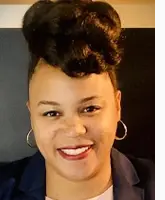
Adria Williams, Ph.D., is a Military Behavioral Health Psychologist at the Center for Deployment Psychology (CDP) with the Uniformed Services University of the Health Sciences. Dr. Williams is a suicide prevention subject matter expert and trainer.
References
- Anestis, M. D., Bond, A. E., Bryan, C. J., Bryan, A. O., & Knox, K. L. (2021). Trust in healthcare providers and willingness to discuss firearm safety: Results from a national survey. Preventive Medicine, 145, 106445. https://doi.org/10.1016/j.ypmed.2020.106445
- Betz, M. E., Miller, M., Barber, C., Beaty, B., & Miller, I. (2016). Lethal means access and assessment among suicidal emergency department patients. Depression and Anxiety, 33(6), 502–511. https://doi.org/10.1002/da.22486
- Centers for Disease Control and Prevention (CDC). (2024). Suicide mortality in the United States, 2000–2022. NCHS Data Brief, No. 509. https://www.cdc.gov/nchs/products/databriefs/db509.htm
- U.S. Department of Defense, Defense Suicide Prevention Office. (2024, November 14). Annual Report on Suicide in the Military, Calendar Year 2023 (ARSM CY 2023). https://www.dspo.mil/Portals/113/2024/documents/annual_report/ARSM_CY23_final_508c.pdf
- Wintemute, G. J. (2019). The epidemiology of firearm violence in the twenty-first century United States. Annual Review of Public Health, 40, 5–19. https://doi.org/10.1146/annurev-publhealth-031914-122535
Staff Perspective: They Don’t Trust Us—and It’s Our Responsibility to Fix It
September 24, 2025
Hopefully, the title hooked you. Now what am I talking about? And who is “us”? The “what” is conversations about firearm safety and suicide prevention. The “who” is healthcare providers. Let’s take a few steps back…
Why Firearm Safety Matters in Suicide Prevention
In the U.S. and military communities, firearms play a uniquely lethal role in suicide:
- Civilian deaths: Firearms account for ~52% of suicide deaths (Centers for Disease Control; CDC, 2024).
- Active-duty service members (Department of Defense; DOD, 2024):
Firearms: 7% of attempts → 65% of deaths
Self-poisoning (overdose): 54% of attempts →< 6% of deaths - Lethality gap:
Self-poisoning: ~2 in 10 attempts end in death
Firearms: ~9 in 10 attempts end in death (Johns Hopkins, 2023; Wintemute, 2019)
Takeaway: Even if the number of attempts doesn’t change, reducing firearm access can save lives because of how disproportionately lethal firearms are. That points us toward one of the most effective interventions: Lethal Means Safety Counseling (LMSC), which includes conversations about firearm safety and suicide prevention.
The Trust Problem
If patients don’t trust us to have these conversations, we miss out on one of the most effective strategies to prevent suicide.
How do we know trust is low? Anestis and colleagues (2021) examined which messengers are most and least trusted when discussing firearms and suicide. The most trusted groups: military personnel, veterans, and law enforcement—all communities with firearm experience.
And who’s at the bottom? Us! Physicians and other medical professionals—just above casual acquaintances and celebrities. This pattern was consistent across gender, race, and gun ownership status. In other words, we are only slightly more trusted than strangers!
Other studies echo the theme. For example, half of firearm owners report believing it is never appropriate for healthcare providers to discuss firearms (Betz et al., 2016).
So—what’s driving this lack of trust, and what can we do about it? While we don’t have data explicitly outlining the pitfalls, we can extrapolate based on what we know about how trust is built (and eroded) in interactions with healthcare providers. Below four missteps are illustrated along with how to turn each into a rapport building-conversation.
Common Patient Concerns (and Solutions)
“We judge their choices.”→ Biased Communication
Example: A military spouse shares concerns about being alone at home with her children during her husband’s upcoming deployment. She’s excited about a firearm safety class she just completed in preparation for buying a gun for protection. The provider’s eyes widen:
“Wait—you have three small children at home. Is that really safe?”
Problem: The provider is communicating a biased opinion about gun owners with small children. This assumes that the patient is being inherently unsafe when she is actually discussing proactive steps to be a safe firearm owner. The message the patient hears:
“You are a bad parent; you are putting your children in danger!”
Trust building response:
“I’m glad you’re looking forward to the class. Firearm safety is especially important with kids in the home, and it sounds like you’ve already taken proactive steps, that’s awesome. So when does your husband deploy…”
Solution: Be culturally responsive. As providers, it is our responsibility to not only respect the values and norms of a patient’s culture (e.g., military-connected), but to also be aware of the intersectionality of different aspects of a patient’s identity (e.g., parent, military spouse, gunowner, etc.) within that culture.
Issue: “We want to take their guns.”→ Ignore Patient Autonomy
Example: A service member discloses suicidal thoughts without intent or plan. The provider responds:
“That’s concerning. You’ll need to turn your weapon over to your command until we can be sure you are safe.”
Problem: While reducing access to lethal means may ultimately be necessary, the unilateral approach strips autonomy and discourages future disclosure.
Trust building response:
“Sounds like things have been really difficult. Can you tell me more about what led to those thoughts? From there, we can come up with a plan together to help keep you safe during those tough times.”
Solution: Balance patient safety and autonomy. Conduct a thorough risk assessment with curiosity and concern, then collaborate to develop a Safety Plan with strategies the patient is both willing and able to implement.
Issue: “We don’t know anything about firearms.”→ Lack of Competence
Example: In 2015, an E3 preparing for a Permanent Change of Station (i.e., moving to a new duty station) worries about storing her firearms. The provider shrugs:
“That’s easy, just buy a gun safe and ship it with your household goods” (HHG).
Problem: This overlooks the cost of the safe itself, its weight, and the fact that safes counted against HHG weight allowances at the time—revealing a notable knowledge gap.
Trust building response:
“Let’s start with how you’re storing your firearms now. Then we can check local laws at your new duty station and figure out the best plan together.”
Solution: Be informed. You don’t need to be a firearm expert, but you do need to demonstrate competence in firearm safety basics and relevant regulations/laws. Online courses (e.g., virtual firearm safety, LMSC training) can help, as can familiarity with DoD and local regulations.
Issue: “We act like know-it-alls.”→ Maintaining the Knowledge Gap
Example: A patient says:
“I’m thinking of buying a gun. I don’t feel safe at home.”
The provider replies:
“Trust me, that’s not the way to stay safe. Get a dog instead.”
Problem: The asymmetrical tone conveys “I know better than you—this isn’t up for debate.” It dismisses the patient’s concern, weakens rapport, and misses an opportunity to bridge the knowledge gap between provider and patient.
Trust building response:
Provider:
“No one likes feeling unsafe at home. What’s making you feel this way?”
Patient:
“There’s been more crime in my neighborhood.”
Provider:
“I understand. I do worry about relying on firearms for protection, because research shows that having a gun at home can nearly triple the risk of homicide. Other security options can reduce break-ins without increasing risk of harm. Would you be open to talking through some of those together?”
Solution: Ask, explain, collaborate. Gather more information, share rationale, and avoid assumptions. Provide explanations to reduce asymmetry.
Closing Thought
We may not earn everyone’s trust overnight. But we can take steps—through cultural responsiveness, collaboration, competence, and transparency—to be worthy of the trust we are striving for. The trust it takes to save lives.
Resources
CALM (Counseling on Access to Lethal Means): Training offered by the Suicide Prevention Resource Center that provides information on how to have a discussion with patients about lethal means. (https://sprc.org/online-library/calm-counseling-on-access-to-lethal-means/)
Means Matter: Website from the Harvard T. H. Chan School of Public Health with resources & trainings on the topic of reducing suicidal individuals’ access to lethal means. (https://www.hsph.harvard.edu/means-matter/)
Defense Suicide Prevention Office: Webpage with a suite of lethal means safety tools. (https://www.dspo.mil/Home/Tools/Resource-Library/Lethal-Means-Safety/)
VA Lethal Means Safety & Suicide Prevention: Webpage with resources, including information on secure firearm storage. (https://www.va.gov/reach/lethal-means/)
“Let’s Talk about Your Guns” Podcast: A series of podcasts from the Center for the Study of Traumatic Stress about gun safety. (https://www.cstsonline.org/suicide-prevention-program/podcasts/lets-talk-about-your-guns)
Project Child Safe: Firearm safety education program that offers free educational resources, including gun locks. (https://projectchildsafe.org)
Stanford University - Clinicians and Firearms 2.0: This CME/CE course equips clinicians with the knowledge and communication strategies needed to discuss firearm injury prevention with patients effectively. It includes modules on firearm basics and safe storage. (https://online.stanford.edu/courses/som-ycme0051-clinicians-and-firearms-20-curriculum-firearm-injury-prevention-medical?utm_source=chatgpt.com)
BulletPoints Project - Preventing Firearm Injury: A free, self-paced course that takes about 60 minutes to complete. It provides an opportunity for participants to earn one Continuing Education (CE) credit. The course covers firearm injury prevention and safe storage options. (https://continuingeducation.bulletpointsproject.org/courses/preventing-firearm-injury/)
The opinions in CDP Staff Perspective blogs are solely those of the author and do not necessarily reflect the opinion of the Uniformed Services University of the Health Science or the Department of Defense.
Adria Williams, Ph.D., is a Military Behavioral Health Psychologist at the Center for Deployment Psychology (CDP) with the Uniformed Services University of the Health Sciences. Dr. Williams is a suicide prevention subject matter expert and trainer.
References
- Anestis, M. D., Bond, A. E., Bryan, C. J., Bryan, A. O., & Knox, K. L. (2021). Trust in healthcare providers and willingness to discuss firearm safety: Results from a national survey. Preventive Medicine, 145, 106445. https://doi.org/10.1016/j.ypmed.2020.106445
- Betz, M. E., Miller, M., Barber, C., Beaty, B., & Miller, I. (2016). Lethal means access and assessment among suicidal emergency department patients. Depression and Anxiety, 33(6), 502–511. https://doi.org/10.1002/da.22486
- Centers for Disease Control and Prevention (CDC). (2024). Suicide mortality in the United States, 2000–2022. NCHS Data Brief, No. 509. https://www.cdc.gov/nchs/products/databriefs/db509.htm
- U.S. Department of Defense, Defense Suicide Prevention Office. (2024, November 14). Annual Report on Suicide in the Military, Calendar Year 2023 (ARSM CY 2023). https://www.dspo.mil/Portals/113/2024/documents/annual_report/ARSM_CY23_final_508c.pdf
- Wintemute, G. J. (2019). The epidemiology of firearm violence in the twenty-first century United States. Annual Review of Public Health, 40, 5–19. https://doi.org/10.1146/annurev-publhealth-031914-122535
Research at USUHS & CDP: Introducing the PreparED Study
September 24, 2025
by Ariana Bazzi and Jaime Rodden
An exciting collaboration between the Uniformed Services University Department of Medical and Clinical Psychology and the Center for Deployment Psychology is investigating a standardized training program for eating disorders within military settings.
About the PreparED Study
The PreparED study centers around a standardized online educational program on eating disorders. The 85 minute course consists of an introduction by Dr. Tanofsky-Kraff describing the unique presentation of eating disorders in military populations followed by modules on Assessment, Medical Complications, Treatment, and Military-Relevant Considerations. Ultimately, the PreparED curriculum is intended to give healthcare providers a clear and comprehensive all-in-one guide to understanding eating disorders in the military.
The Big Picture
Eating disorders appear at higher rates among our service members compared to the general population. This increased vulnerability is often tied to the unique pressures of military life, such as constant exposure to high-stress environments, and the significant impact of conditions including, but not limited to posttraumatic stress disorder and major depressive disorder. To address this critical need, Columbia University Medical Center, has developed a publicly accessible online course and partnered with our study team to train military providers. The curriculum is designed specifically for future healthcare professionals, including students and trainees to provide them with the essential knowledge and practical tools to better understand, identify, and support individuals affected by eating disorders, ultimately aiming to improve care for those who have served.
Participant Eligibility and Study Activities
Medical providers and providers from the Defense Health Agency (DHA) serving as a primary care or other direct care provider to military-connected patients are eligible to participate in the study. Participants are provided with a SurveyMonkey link to take a pre-survey. Participants are then asked to complete the online 70 minute course and post-course survey within a month from completion of the pre-survey.
Get Involved
For more information about the PreparED study, visit our website at https://deploymentpsych.org/Eating-Disorders-Base or reach out to the Research Assistant Ariana at Ariana.Bazzi.ctr@usuhs.edu To participate in the study, review the informed consent document: https://www.surveymonkey.com/r/QXSTNH2
Staff Perspective: Protective Factors for Veterans at Risk for Suicide
September 17, 2025
 By
By In our suicide prevention trainings at CDP, we discuss current theories of suicide risk, specifically emphasizing those of that fall within the “ideation-to-action framework” (Klonsky & May, 2016). This framework posits that the development of suicidal ideation and the progression from ideation to suicide attempts are distinct processes with distinct explanations. In conjunction with this discussion, we also spend a substantial amount of time talking about risk and protective factors, both in the civilian population and among military-connected individuals.
Given that context, I wanted to share an article I recently read that looks specifically at risk and protective factors distinguishing U.S. veterans with a history of suicidal ideation from those who have made a suicide attempt (Cenker & Zalta, 2025). These authors analyzed data from 620 veterans with a history of suicidal ideation or attempts; this sample was drawn from the Military Health and Well-Being Project, a national survey of approximately 1,500 post-Vietnam U.S. veterans.
Cenker and Zalta found that veterans with a history of past attempts reported higher levels of moral injury, loneliness, and substance use than those who had only experienced suicidal ideation. In addition, those with past attempts also reported lower levels of meaning and purpose in life and lower levels of social support. These findings suggest that the transition from suicidal thoughts to behavior in veterans is associated with more intense psychosocial stressors alongside fewer protective resources.
Last year during Suicide Prevention month, I wrote a blog looking at suicide risk during the transition from military to civilian life. Data has shown that the first year following separation from the military is one of increased risk for Service members (U.S. Department of Veterans Affairs, 2024). During this period of transition, Service members may experience disruptions of personal identity, including a sharp contrast between military and civilian values (Sokol, et al., 2021). They may also experience disruptions to social connections during this period of transition, including a simultaneous loss of military social connections and difficulty rebuilding civilian ones (Sokol, et al., 2021). Thus, Cenker and Zalta’s (2025) findings, which highlight the protective nature of both meaning and purpose in life and social support, provide additional evidence that these are particularly salient clinical targets in this population.
The opinions in CDP Staff Perspective blogs are solely those of the author and do not necessarily reflect the opinion of the Uniformed Services University of the Health Science or the Department of Defense.
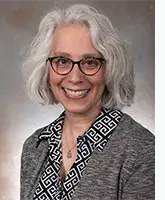
Marjorie Weinstock, Ph.D., is a counseling psychologist currently serving as an Associate Director at the Center for Deployment Psychology (CDP) at the Uniformed Services University of the Health Sciences in Bethesda, Maryland.
References:
Cenker, D. P., & Zalto, A. K. (2025). Risk and protective factors that distinguish United States
veterans with a history of suicidal ideation and suicide attempt. Journal of Psychiatric
Research, 188, 126-132. https://doi.org/10.1016/j.jpsychires.2025.05.059
Klonsky, D.E., May, A. M., & Saffer, B. Y. (2016). Suicide, suicide attempts, and suicidal
ideation. Annual Review of Clinical Psychology, 12(1), 307-330.
https://doi.org/10.1146/annurev-clinpsy-021815-093204
Sokol, Y., Gromatsky, M., Edwards, E. R., Greene, A. L., Geraci, J. C., Harris, R. E., & Goodman,
M. (2021). The deadly gap: Understanding suicide among veterans transitioning out of
the military. Psychiatric Research, 300, 113875.
https://doi.org/10.1016/j.psychres.2021.113875
U.S. Department of Veterans Affairs, Office of Suicide Prevention. (2024). 2024 National
veteran suicide prevention annual report: Part 2 of 2: Report findings.
https://www.mentalhealth.va.gov/docs/data-sheets/2024/2024-Annual-Report-Part-2-
of-2_508.pdf
Staff Perspective: Protective Factors for Veterans at Risk for Suicide
September 17, 2025
In our suicide prevention trainings at CDP, we discuss current theories of suicide risk, specifically emphasizing those of that fall within the “ideation-to-action framework” (Klonsky & May, 2016). This framework posits that the development of suicidal ideation and the progression from ideation to suicide attempts are distinct processes with distinct explanations. In conjunction with this discussion, we also spend a substantial amount of time talking about risk and protective factors, both in the civilian population and among military-connected individuals.
Given that context, I wanted to share an article I recently read that looks specifically at risk and protective factors distinguishing U.S. veterans with a history of suicidal ideation from those who have made a suicide attempt (Cenker & Zalta, 2025). These authors analyzed data from 620 veterans with a history of suicidal ideation or attempts; this sample was drawn from the Military Health and Well-Being Project, a national survey of approximately 1,500 post-Vietnam U.S. veterans.
Cenker and Zalta found that veterans with a history of past attempts reported higher levels of moral injury, loneliness, and substance use than those who had only experienced suicidal ideation. In addition, those with past attempts also reported lower levels of meaning and purpose in life and lower levels of social support. These findings suggest that the transition from suicidal thoughts to behavior in veterans is associated with more intense psychosocial stressors alongside fewer protective resources.
Last year during Suicide Prevention month, I wrote a blog looking at suicide risk during the transition from military to civilian life. Data has shown that the first year following separation from the military is one of increased risk for Service members (U.S. Department of Veterans Affairs, 2024). During this period of transition, Service members may experience disruptions of personal identity, including a sharp contrast between military and civilian values (Sokol, et al., 2021). They may also experience disruptions to social connections during this period of transition, including a simultaneous loss of military social connections and difficulty rebuilding civilian ones (Sokol, et al., 2021). Thus, Cenker and Zalta’s (2025) findings, which highlight the protective nature of both meaning and purpose in life and social support, provide additional evidence that these are particularly salient clinical targets in this population.
The opinions in CDP Staff Perspective blogs are solely those of the author and do not necessarily reflect the opinion of the Uniformed Services University of the Health Science or the Department of Defense.
Marjorie Weinstock, Ph.D., is a counseling psychologist currently serving as an Associate Director at the Center for Deployment Psychology (CDP) at the Uniformed Services University of the Health Sciences in Bethesda, Maryland.
References:
Cenker, D. P., & Zalto, A. K. (2025). Risk and protective factors that distinguish United States
veterans with a history of suicidal ideation and suicide attempt. Journal of Psychiatric
Research, 188, 126-132. https://doi.org/10.1016/j.jpsychires.2025.05.059
Klonsky, D.E., May, A. M., & Saffer, B. Y. (2016). Suicide, suicide attempts, and suicidal
ideation. Annual Review of Clinical Psychology, 12(1), 307-330.
https://doi.org/10.1146/annurev-clinpsy-021815-093204
Sokol, Y., Gromatsky, M., Edwards, E. R., Greene, A. L., Geraci, J. C., Harris, R. E., & Goodman,
M. (2021). The deadly gap: Understanding suicide among veterans transitioning out of
the military. Psychiatric Research, 300, 113875.
https://doi.org/10.1016/j.psychres.2021.113875
U.S. Department of Veterans Affairs, Office of Suicide Prevention. (2024). 2024 National
veteran suicide prevention annual report: Part 2 of 2: Report findings.
https://www.mentalhealth.va.gov/docs/data-sheets/2024/2024-Annual-Report-Part-2-
of-2_508.pdf