

Stories
Staff Perspective: Creating Evidence-Based Sustainable New Year’s Resolutions
January 7, 2026
 The year 2026 is upon us. As we usher in a New Year, for many, this is the opportunity to set a new goal, intention, or resolution. Did you set a New Year’s resolution? If so, statistically speaking, you’re not alone. A recent study by the Pew Research Center found one in three adults made at least one resolution, and over half of this group made more than one goal. Paradoxically, roughly 41% of those adults abandoned at least one goal (or all of them) by the end of the month (Garcia, 2024). In fact, a popular social platform for fitness (Strava) dubbed the second Friday of January as “Quitters’ Day,” based on site data suggesting that fitness-related resolutions or goals are statistically most likely to be abandoned then (Strava, 2025). .
These trends raise an important question: what distinguishes a sustainable goal? While the specific behavior of goal setting around the New Year is surprisingly understudied, we can look to literature on motivation and behavior change to create evidence-based, sustainable goals. As you design your New Year’s resolution, consider the following questions:
Is your goal “Approach” or “Avoidance” oriented?
Motivational and social psychology often categorizes goals in two buckets: “approach” goals, that is, moving toward positive goals, rewards, or desired outcomes, versus “avoidance” goals, which is moving away from negative, undesirable outcomes including threats or punishments (Elliot, 2013). People who set “approach-oriented” goals (regardless of the goal type) are statistically more likely to complete them versus avoidance-oriented goals (Oscarsson, Carlbring, Andersson, & Rozental, 2020).
For example, a goal of “I am going to engage in 10 minutes of mindfulness each morning” is different from “I am not going to get stressed” because separate cognitive and emotional processes are at play. Approach-oriented goals are associated with greater positive affect and psychological well-being, while avoidance-oriented goals induce negative emotions and can activate fear circuits (Bailey, 2017).
Does your goal connect to your “Why?”: Values-aligned goals
Both theory and research show that goals aligned with our personal values are more likely to be completed (Sheldon & Elliot, 1999). When establishing a goal, it is useful to reflect on your underlying motivation: what is your “why?” How will achieving this goal add meaningfully to your life? Distinguishing between goals driven by intrinsic motivation (e.g., your “inner drive”) versus perceived obligations (e.g., what others think you “should” do) can be helpful.
Recalibrate your why: A brief values clarification exercise, such as a values card-sorting task grounded in principles of Acceptance and Commitment Therapy (ACT; Hayes, Strosahl, & Wilson, 1999), may help identify core values and guide goal selection.
Is your goal balanced in its level of difficulty?
Sustainable goals strike a balance of difficulty and attainability. Evidence from organizational psychology shows that goals that are perceived as optimally challenging are more likely to be achieved relative to goals that are “too easy” and require less effort by comparison (Locke & Latham, 2006). This is often termed the “Goldilocks” principle, because goals that are “just right” in their ability to challenge you can induce feelings of confidence and self-efficacy, which are important for completing your goals (Bailey, 2017).
Are you willing to be flexible in your goal?
Sustainable goals are not rigid, they are naturally adjustable. Humans also have a tendency to overestimate our goals or “bite off more than we can reasonably chew”, known as the planning fallacy (Kahneman & Tversky, 1979). The planning fallacy is based on the principle that people tend to underestimate the time it will take to complete a goal (Buehler, Griffin, and Peetz, 2010). Thus, in addition to daily or weekly tracking of your goal, consider quarterly check-ins, and be willing to adjust as needed to make it more likely to complete your goal.
Does your goal have an “action plan” for both implementation and setbacks?
Sustainable goals have “implementation intentions” and action plans, including where, when, and how a goal will be implemented. Evidence suggests creating an “if/then” or a coping plan is important for goal setting (Bailey, 2024). Some days you may not be motivated to engage in your goal, or other life commitments can get in the way. Make a gameplan for motivational or logistical barriers.
- If you’re noticing difficulty feeling motivated, try “temptation bundling,” or pairing your goal with something you do enjoy (Milkman, Minson, & Volpp, 2015). For example, call a friend while you go for a walk. Or see if you can do 10 minutes worth of the goal.
- Implement “if/then” logic: If [Situation X] happens, then I will [Response Y].
Does your goal involve a mechanism to track progress?
Track what you do. Visualization is critical, as getting feedback and tracking your progress are catalysts for hitting your goals (Locke & Latham, 2006).
Write out, color in, or mark, each time you complete your goal. Keeping it in a place you see often (bathroom mirror, office desk, front of refrigerator) is important.
By shifting to these evidence-based, sustainable goals, you aren't just planning for a better January, you're building a foundation for a values-aligned 2026. Happy goal setting!
The opinions in CDP Staff Perspective blogs are solely those of the author and do not necessarily reflect the opinion of the Uniformed Services University of the Health Science or the Department of Defense.
Alessandra Grillo, Ph.D., is a Postdoctoral Fellow at the Center for Deployment Psychology. Dr. Grillo earned her doctoral degree in Clinical Psychology from the University of North Carolina at Greensboro and completed her pre-doctoral internship at the Boston VA Healthcare System where she provided brief and full-model evidence-based treatments for a wide range of mental and physical health concerns in primary care and outpatient clinics serving Veterans.
References:
Bailey R. R. (2017). Goal Setting and Action Planning for Health Behavior Change. American journal of lifestyle medicine, 13(6), 615–618. https://doi.org/10.1177/1559827617729634
Buehler, R., Griffin, D., & Peetz, J. (2010). The planning fallacy: Cognitive, motivational, and social origins. In Advances in experimental social psychology (Vol. 43, pp. 1-62). Academic Press.
Elliot, A. J. (2013). Handbook of approach and avoidance motivation. Psychology Press.
Gracia, S. (2024, January). New Year’s resolutions: Who makes them and why. Pew Research Center. https://www.pewresearch.org/short-reads/2024/01/29/new-years-resolutions-who-makes-them-and-why/
Hayes, S. C., Strosahl, K. D., & Wilson, K. G. (1999). Acceptance and Commitment Therapy: An experiential approach to behavior change. Guilford Press.
Kahneman, D., & Tversky, A. (1979). Intuitive prediction: biases and corrective procedures. TIMS Studies in Management Science, 12, 313–327
Locke, E. A., & Latham, G. P. (2006). New Directions in Goal-Setting Theory. Current Directions in Psychological Science, 15(5), 265–268. https://doi.org/10.1111/j.1467-8721.2006.00449.x
Oscarsson M, Carlbring P, Andersson G, Rozental A (2020) A large-scale experiment on New Year’s resolutions: Approach-oriented goals are more successful than avoidance-oriented goals. PLoS ONE 15(12): e0234097. https://doi.org/10.1371/journal.pone.0234097
Milkman, K. L., Minson, J. A., & Volpp, K. G. (2014). Holding the Hunger Games Hostage at the Gym: An Evaluation of Temptation Bundling. Management science, 60(2), 283–299. https://doi.org/10.1287/mnsc.2013.1784
Sheldon, K. M., & Elliot, A. J. (1999). Goal striving, need satisfaction, and longitudinal well-being: The self-concordance model. Journal of Personality and Social Psychology, 76(3), 482–497.
Strava (2025, December 31). Conquer Quitter’s Day Challenge. Strava. https://www.strava.com/challenges/5560
Staff Perspective: Balancing Grief & Gratitude - A Gentle Reminder Check on Your Strong Friends Throughout the Holidays
December 31, 2025
 By Katrice Byrd, DSW, LCSW
December often evokes a sense of nostalgia, bringing with it cherished childhood memories of family, friends, abundant food, and holiday music, like hearing Silent Night by the Temptations on indefinite repeat. However, for others, the holiday season presents a painful contrast—a constant reminder of losses and distant voices reflecting what is no longer there.
As we navigate this season, it is essential to support our loved ones in delicately balancing their expressions of gratitude while simultaneously acknowledging their grief. So, how do we pay tribute to today without keeping people stuck in yesterday. There are probably one million remedies for this. But life experiences and wisdom have taught me a few tips to support those in need.
First, don’t assume that the holidays are a time of joy for everyone. In fact, those who have lost loved ones may find this time extremely difficult to navigate, especially if the loss is recent. It may be the first time a person has celebrated a holiday without their loved ones. Be gentle with your invitations. Ask, but don’t insist. They may not be ready to walk into the door just yet. As Regina King so eloquently described, “Grief is just love that has no place to go.” The reality is they may not have found their new place in the world just yet.
Secondly, understand that grief is a continual journey. While they may accept your invitation one minute. The next minute may present the smallest reminder that sets them back into a place of pain. If you notice the individual changed their mind, but just a few days ago, they were excited to be part of the festivities, don’t dive into a full-blown interrogation. It probably has nothing to do with you and everything to do with grief. Use this opportunity to practice patience and understanding.
For the person seeking to find gratitude through the teary lens of grief. Start small. Remind yourself of the tiniest reasons to be thankful. Take time to put your feet on the floor before you jump out of bed. Look around. Sit with yourself. As the church elders often say with such conviction, “He woke me up.” Some days, that will be enough to carry you through.
Additionally, acknowledge that you are hurting. This doesn’t mean you have to share your pain if you don’t want to. But be honest with yourself, by honoring your heart. Take scheduled time each day dedicated solely to your grief. Not too long though, just a few minutes will suffice. By doing this, you are learning to co-exist with your grief without letting your grief consume you. Some days, that will be enough to carry you through.
Finally, For every moment of grief you hold on to, grasp on to a moment of hope, a moment of light, a moment of just being. This will look different for everyone. For you, it may look like stepping outside and taking in a deep breath of fresh air. It could also look like a barely cracked smile after that corny joke your co-worker just told. Again, some days, that will be enough to carry you through.
Whether you are the person walking the tightrope of balancing grief and gratitude or the person balancing support for the griever. Remember, holidays can be painful reminders, but they can also be opportunities for new beginnings, new memories, new traditions, and sometimes that is what will carry you through.
The opinions in CDP Staff Perspective blogs are solely those of the author and do not necessarily reflect the opinion of the Uniformed Services University of the Health Science or the Department of Defense.
Katrice Byrd, DSW, LCSW is a Military Social Worker with the Center for Deployment Psychology (CDP). She is co-chair of the North Carolina National Association of Social Worker’s Legislative Committee and is passionate about serving the village through research, policy, and programmatic changes.
Staff Perspective: Chasing the High - Hedonic Dysregulation as a Pathway to Alcohol Abuse
December 24, 2025
 By Kathryn E Monsey, LCSW, LCDC
When we think about alcohol or substance abuse in the military, most of us jump to familiar explanations: PTSD, deployment trauma, combat stress. These are the headline drivers we expect to see on intake forms and clinical assessments. But lurking quietly, often unnoticed and unspoken, is another powerful risk factor, one that rarely makes it onto the paperwork or into clinical interviews: boredom.
Recently, as I was combing through some service member podcasts, a moment caught my ear. A US Marine Corps veteran was asked: “What do frogmen do when there is no war?” He answered plainly: “Well, we drink.” Another vet chimed in, saying, “They pay us to run into gunfire.” He was implying that when the high-stakes action fades, the lingering question becomes: what else is there to do to pass the downtime and dullness of everyday life? That exchange got me thinking deeply about the role boredom and under-stimulation play in hazardous alcohol use among service members.
Military service is inherently intense, whether you’re training for or engaging in combat, your days are structured around high stakes, constant readiness, and high adrenaline. Your hedonic set point, the baseline level of stimulation required to feel engaged, can shift upward in these environments. Living in a near-constant cycle of adrenaline and dopamine recalibrates what “normal” feels like. When the intensity fades, when missions end, deployments slow, or daily life becomes routine, that elevated set point doesn’t immediately reset. The everyday quiet can feel intolerable. From a clinical lens, this is where sensation-seeking and boredom converge: service members may chase stimulation to fill the gap, and alcohol often becomes the most accessible outlet.
This isn’t just a post-deployment issue. Cycles of high intensity followed by prolonged downtime are built into military life. Reserve and Guard members swing between operational tempo and stretches of civilian routine. Veterans transitioning out of service often find their hedonic set points misaligned with the slower pace of civilian life. At each of these junctures, boredom and under-stimulation create vulnerabilities. Without structured, meaningful outlets, the risk of unhealthy substance use rises, not only as a way to cope with stress, but as a way to re-establish a felt sense of aliveness.
If boredom, sensation-seeking, and hedonic adaptation are part of the risk equation, our assessments and interventions need to reflect that. Instead of only asking, “What trauma are you coping with?” we might also ask, “How do you manage periods of low stimulation?” or “What role does boredom play in your drinking or substance use?” or “When do you find yourself seeking intensity, and how do you channel it?” Because sometimes, the clinical task isn’t just treating symptoms of trauma or stress, it’s helping service members discover healthier, sustainable ways to engage when the mission quiets down.
The opinions in CDP Staff Perspective blogs are solely those of the author and do not necessarily reflect the opinion of the Uniformed Services University of the Health Science or the Department of Defense.
Kathryn E Monsey, LCSW, LCDC, is a Military Behavioral Health Social Worker for the Consortium for Defense Psychology (CDP) at the Uniformed Services University of the Health Sciences in Bethesda, Maryland. She assists in the implementation and expansion of the Star Behavioral Health Providers Program (SBHP). SBHP trains civilian behavioral health providers to work with service members, veterans, and their families. The mission is to expand the availability of high-quality behavioral health services, especially for those in the National Guard and Reserve Component.
Staff Perspective: What Providers Need to Know About the VA's Free Emergency Suicide Care for Veterans
December 17, 2025
 By
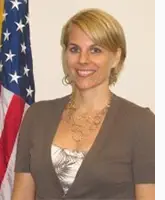
By I was recently talking to a civilian community mental health provider, and she asked me if I thought veterans were utilizing mental health care more due to both the VA MISSION Act and the VA COMPACT Act. I thought about it briefly and responded (acknowledging that I had no evidence to support my answer) that it usually takes years for change following laws like these. Then I paused to really think about how much I have heard about either of these veteran-focused acts/laws in my role as a psychologist or as a veteran, and the answer was: not much. So I thought this would be a great topic to share with our community of providers.
For those unfamiliar with them, the VA Maintaining Internal Systems and Strengthening Integrated Outside Networks (MISSION) Act is a 2018 law that expands community care options for eligible veterans by allowing them to receive VA-approved care in their community (U.S. Department of Veterans Affairs, 2019). It addresses access to care issues such as long wait times for appointments and long drive times for veterans to access VA services. It also allows veterans and their referring clinician to have a say regarding if it is in the best interest of the veteran to receive care in the community.
While measuring the long-term impact of the MISSION Act will take time, the immediate need addressed by the COMPACT Act makes it a vital resource for all community providers to know today. The VA Comprehensive Treatment, Prevention & Access to Care (COMPACT) Act is a 2020 law that specifically provides free emergency suicide care at any VA or non-VA facility for eligible veterans experiencing a crisis, regardless of VA enrollment (U.S. Department of Veterans Affairs, 2023). It also covers related transportation and follow-up care. Both laws were implemented to address barriers to care that many veterans face.
The VA COMPACT Act was passed in December 2020 and became effective January 2023. The primary goal was to address the critical need of access to care for veterans who are experiencing an acute suicidal crisis by removing financial barriers and by broadening where veterans can seek care (e.g., non-VA facilities). The VA COMPACT Act not only covers emergency suicide care, but it also includes transportation costs as well as inpatient or crisis residential treatment (up to 30 days) or outpatient follow-up care (up to 90 days). It is also important to note that veterans do not need to be enrolled in the VA system to receive care under the VA COMPACT Act.
The steps to accessing the care are relatively straightforward. When a veteran is experiencing a suicidal crisis, they should:
- Call 911 or if able, go to the nearest emergency room.
- Notify the staff that they are a U.S. veteran.
- Contact their local VA Medical Center or the VA patient advocate within 72 hours to begin the process for payment and care coordination.
Although CDP is not directly related to either veteran-related acts, we do serve an important role in training community providers. We offer extensive training and educational materials that are specifically designed for behavioral health providers so that they have the skills, understanding, and resources needed to work with military connected patients, to include veterans.
In addition to more general training focused on improving military cultural awareness, CDP also offers more in-depth training focused specifically on managing suicide risk (e.g., Cognitive Behavioral Therapy for Suicide Prevention, Lethal Means Safety Counseling, etc.). Check out our website where you can find upcoming training events, provider resources, military culture resources, and much more.
It takes a community to help support those who have served. We hope you can be part of that community!
The opinions in CDP Staff Perspective blogs are solely those of the author and do not necessarily reflect the opinion of the Uniformed Services University of the Health Science or the Department of Defense.
Lisa French, Psy.D., is the Chief of Operations at the Center for Deployment Psychology (CDP) at the Uniformed Services University of the Health Sciences in Bethesda, Maryland.
Staff Perspective: AI for Research - A Conversation Between a Skeptic and Google Gemini
December 10, 2025
 By Maegan M. Paxton Willing, Ph.D., MPH
I saw technology grow by leaps and bounds while growing up. Like many millennials, I have used a floppy disk and have died of dysentery more than a few times on the Oregon Trail. I remember when using the Internet meant no one could use the telephone, and then when the Internet was on our phones. Aside from my dislike of social media, I've never felt that I had an aversion to technology --- that is until AI came around. Maybe it's from watching one too many dystopian sci-fi movies, but AI just makes me uncomfortable.
So I tried to delay using AI as long as possible, often doing things the 'hard way'. I attended several talks on AI for research and academia, but I was still not sold that it was right for me and our research projects. But the more USU talked about its benefits, and with some very strong encouragement from my supervisor, I begrudgingly began trying to use Google Gemini (Note. USU encourages our use of Gemini and has a license that keeps our data and queries private).
I started simple and focused on my non-research tasks - 'help me write this email' or 'help me create competencies for an annual evaluation.' To my surprise, it was genuinely helpful. This week I've started opening up to the idea of using AI to support my research, but the skepticism remains. So I "sat down" with Google Gemini to ask how I can use AI to support my research and what pitfalls I may fall into with its use. What follows is an abbreviated version of this discussion, cut for clarity and length by Gemini. If you'd like to read the full version, you can do so here.
I am writing a blog about using AI to assist with the research process. Can I ask you some questions?
I'd be happy to help! Ask away. I'm ready to answer any questions you have about using AI in the research process.
I'm a bit skeptical about using AI. Why might my concerns be valid?
Your skepticism about using AI in research, especially in a sensitive field like military mental health, is not only valid but also essential. A critical and discerning approach is the best way to leverage AI's benefits while mitigating its significant risks.
- Bias and Fairness: AI models learn from their training data. If this data is unrepresentative or contains historical biases, AI can perpetuate and amplify these biases, potentially leading to misdiagnosis or inaccurate risk assessments for certain military subgroups based on factors like race or gender.
- "Hallucinations" and Factual Inaccuracies: AI, especially large language models (LLMs), can confidently generate plausible-sounding but entirely false information or fabricate citations. Relying on these "hallucinations" can lead to flawed conclusions. This risk is particularly present when reviewing qualitative data, as AI might misinterpret nuance, tone, or context, or even fabricate quotes or summaries.
- Data Privacy and Security: Military mental health data is extremely sensitive. Inputting such information into third-party AI tools raises significant privacy and security risks, potentially violating IRB protocols and regulations like HIPAA.
- Lack of Transparency ("Black Box" Problem): Many advanced AI models operate as "black boxes," making it difficult to understand how they reached a conclusion. For high-stakes decisions like suicide risk prediction, knowing the rationale is crucial for clinical decision-making and accountability.
- Over-Reliance and Automation Bias: Researchers might become overly reliant on AI, losing critical thinking skills or assuming AI output is always correct, leading to missed errors or nuances.
How can you help alleviate those concerns?
The key is responsible, critical, and transparent AI integration:
- Human Oversight is Non-Negotiable: AI is a tool to assist, not replace. You, the human researcher, are essential for critical thinking, ethical decision-making, interpreting nuances, and ensuring validity.
- Proactive Bias Management: Prioritize AI models trained on diverse and representative datasets. Perform rigorous bias audits and always keep a human-in-the-loop for interpretation and validation.
- Rigorous Verification to Combat Hallucinations: Treat AI outputs as drafts or hypotheses. Every piece of information, claim, or citation must be independently verified against original, reliable sources. Use "lateral reading" by opening new tabs to cross-verify claims. For qualitative data, always trace AI-generated codes or themes back to the raw data to ensure accuracy and contextual understanding.
- Robust Data Privacy and Security: Never input sensitive patient data (PII/PHI) into public AI tools. Use de-identification/anonymization for any data analysis with AI and only use secure, approved platforms that meet stringent security standards and IRB protocols.
- Demand Transparency: Favor interpretable AI models (Explainable AI - XAI) when possible. Always be transparent about AI use in your methodology sections and publications.
- Maintain Human Agency: Use AI to offload repetitive tasks, freeing you to focus on higher-order thinking, complex interpretation, and innovative study design.
I've found AI to be helpful in wording items for surveys and checking the reading level of surveys and consent forms. What are ways that AI can best help with research?
You're already hitting on some excellent uses for AI in developing study documents! Beyond wording and readability checks for surveys and consent forms, AI can be a powerful assistant in several other aspects of study document creation.
Here are ways AI can help with developing study documents:
- Supercharge Literature Reviews: AI tools can rapidly scan vast databases (e.g., PubMed, PsycINFO), summarize papers, and extract key information like methodologies and participant demographics. This saves immense time compared to manual reading and can even help identify research gaps and emerging trends that might inspire new questions.
- Enhance Data Analysis: This is a major area of impact. AI, particularly machine learning, excels at predictive modeling for risk assessment. For instance, it can analyze large datasets (electronic health records, service history) to predict suicide risk with promising accuracy, identifying high-risk individuals for targeted interventions. AI can also uncover complex patterns traditional methods might miss, assist with qualitative data analysis by automating initial coding and theme suggestions, and analyze digital phenotyping data (e.g., smartphone usage, wearable data) for early indicators of mental health issues.
- Streamline Research Workflow and Design: AI can help with hypothesis generation based on literature analysis, assist in designing effective survey and interview questions, and even aid in outlining and refining language for grant proposals and paper drafts. For instance, it's effective at checking the reading level of surveys and consent forms.
- Develop Study Documents: Beyond surveys and consent forms, AI can help in drafting sections of IRB applications and protocols (e.g., background, study design, data management plans), crafting targeted recruitment materials, and developing interview/focus group guides by brainstorming questions and probes.
By strategically integrating AI into your document development workflow, you can free up valuable time for the more complex and critical aspects of your military mental health research.
Do you have any final takeaways for using AI for research?
- AI is a Powerful Assistant, Not a Replacement: It streamlines, but your expertise is irreplaceable.
- Skepticism is Your Superpower: Always verify, and actively seek out potential hallucinations or biases.
- Prioritize Ethics, Privacy, and Transparency: These are paramount, especially with sensitive military mental health data.
- Embrace Explainable AI: Understand why AI reaches its conclusions, particularly for impactful findings.
- Focus on Value-Added Tasks: Let AI handle the grunt work, so you can dedicate time to critical thinking and meaningful insights.
- Stay Informed and Adapt: AI is rapidly evolving; continuously educate yourself on best practices and ethical guidelines.
By strategically, critically, and ethically integrating AI, you can significantly enhance the efficiency, depth, and impact of your military mental health research, ultimately contributing more effectively to the well-being of service members and veterans.
The thing I was most surprised by was how much Gemini encouraged my skepticism. I particularly liked the analogy of "Treat AI as a "Smart Intern". It was also clear that AI tools can provide support in a lot of places to help speed up the research process. One of my favorite uses is checking the reading level on surveys and consent forms.
This week I've used AI to help review surveys, start a consent form and procedures for an IRB protocol, and draft recruitment language. However, I also ran a new screener through Gemini, and it answered all of the questions correctly in less than a second, rendering it effectively useless for screening prospective participants. I'm left conflicted because I'm certainly beginning to see the benefits of AI but also reminded that it may make our jobs harder in other ways. There's much to be seen in how research's relationship evolves with AI, but I'm more open to it today than I was yesterday.
The opinions in CDP Staff Perspective blogs are solely those of the author and do not necessarily reflect the opinion of the Uniformed Services University of the Health Science or the Department of Defense.
Maegan M. Paxton Willing, Ph.D., MPH, is a Research Psychologist (HJF) with the Center for Deployment Psychology (CDP) at the Uniformed Services University of the Health Sciences in Bethesda, Maryland. Dr. Willing’s research broadly examines mental health in military populations. Her primary research interests include the development, correlates, and treatment of sleep and posttraumatic stress disorder in service members, with a particular emphasis on posttraumatic nightmares.
Staff Perspective: Honoring the Life and Legacy of Dr. Walter E. Penk, Jr.
December 3, 2025
 By
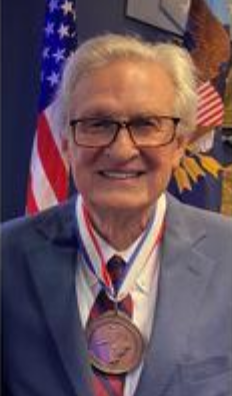
By The field of psychology—and more importantly, generations of veterans and service members—lost a remarkable advocate, mentor, and innovator with the passing of Dr. Walter Erich Penk, Jr. His career spanned more than six decades, and his contributions to military and veteran psychology fundamentally reshaped how we understand, treat, and support those living with trauma and mental illness.
For those of us who had the privilege to know him personally, Dr. Penk was not only a giant in the field but also a colleague, mentor, and friend whose wisdom, humility, and kindness left lasting impressions on our lives and work.
A Life of Service
Born in 1934 in Victoria, Texas, Dr. Penk earned his degrees in Clinical Psychology from the University of Houston before beginning his career at VA Medical Centers in Houston and Dallas. Over the years, he served in leadership positions at VA hospitals in Dallas, Boston, and Bedford, as well as Director of Psychology for the Massachusetts Department of Mental Health. Later, he became Professor of Psychiatry and Behavioral Sciences at Texas A&M College of Medicine, where he continued teaching and mentoring well into his later years. Even after his retirement, Dr. Penk remained active as a consultant, researcher, and advisor, continuing to write, teach, and mentor into his 80s.
Transforming Veteran Mental Health Care
Dr. Penk’s most enduring contributions came through his pioneering work in psychosocial rehabilitation. At a time when the prevailing approach emphasized hospitalization and medication, he demonstrated that employment and education were themselves powerful therapeutic tools. His research reframed national approaches to PTSD, severe mental illness, and substance abuse by showing the curative power of purpose and productivity. He was also far ahead of his time in recognizing the role of ethnicity and culture in treatment—insights that only years later became central to mental health care.
Scholar and Leader
Dr. Penk authored or co-authored more than 180 publications, including influential works such as Returning War’s Wounded and Treating PTSD Among Military Personnel. He served on editorial boards of leading journals and held leadership roles in APA divisions dedicated to clinical, public service, and military psychology. Beyond scholarship, he developed and promoted programs in case management, self-care, family psychoeducation, supported housing, employment, and peer support that have become staples of Veteran care.
Spirit of Hope
Dr. Penk’s work embodied the values of the Department of Defense Spirit of Hope Award—duty, honor, courage, integrity, and devotion. His ideas about employment as a central part of recovery directly shaped the Transition Assistance Program, helping the 200,000 Service members who separate each year find purpose and stability. He gave generously of his time and expertise, mentoring countless psychologists, many of whom now carry his work forward in VA hospitals, military installations, universities, and community practices around the country.
Honors and Recognition
The breadth of recognition Dr. Penk received reflects the depth of his impact. His honors included the APA Presidential Citation, Distinguished Career Awards from APA and the VA, the APF Gold Medal for Life Achievement in Practice of Psychology, and the Charles S. Gersoni Award for Military Psychology. In 2017, the Texas State Senate issued a resolution honoring his lifetime contributions. Yet despite these accolades, he remained humble, always more interested in advancing others’ work than in spotlighting his own.
Mentor, Colleague, Friend
For many, the loss of Dr. Penk is deeply personal. He was a generous mentor, offering not only professional guidance but also wisdom about compassion, resilience, and integrity. He had a rare ability to make others feel valued and capable, inspiring confidence in early-career psychologists and encouraging seasoned professionals to keep growing. His legacy lives not only in his published works and programs but in the lives of those he mentored and the countless Veterans who benefited from his vision.
A Lasting Legacy
Dr. Walter E. Penk’s life reminds us that the true measure of a career lies in the lives changed along the way. His work redefined how our nation treats psychological trauma and mental illness, and his belief in the healing power of employment and education continues to shape practice today. As we honor his memory, we are called to carry his legacy forward—innovating, advocating, and mentoring, just as he did. In doing so, we ensure that his vision of purposeful, compassionate care for veterans and service members lives on.
I’ll close with Walter’s favorite catch phrase that could be found at the end of every email he sent, “There is still more work to be done.”
The opinions in CDP Staff Perspective blogs are solely those of the author and do not necessarily reflect the opinion of the Uniformed Services University of the Health Science or the Department of War.
William Brim, Psy.D., is the executive director of the Center for Deployment Psychology (CDP) at the Uniformed Services University of the Health Sciences in Bethesda, Maryland. He joined CDP in 2007, initially as a deployment behavioral health psychologist at Malcolm Grow Medical Center and served as deputy director until 2017.
Staff Perspective: Who Can? We Can. Narcan! PART III: Medicine and Public Health
November 25, 2025
 By
By Not All Superheroes Wear Capes, Some Wear Lab Coats
Short and Long-Term Medicinal Treatment of Physical and Psychological Dependence
Parts I and II explored how opioids act on the brain and how American history — particularly its wars — helped fuel cycles of addiction. Now, we turn to the present. This final installment of “Who Can? We Can, Narcan!” focuses on the lifesaving tools that can interrupt that cycle, from medication-assisted treatment to emergency overdose reversal. In the military and veteran communities, where resilience is both a strength and a barrier to care, these interventions are transforming how we talk about and respond to overdose risk.
During the Vietnam-Era epidemic, researchers were searching for ways to counter opioids’ destructive effects (Payte, 1991). This research resulted in two distinct trajectories, each with different medications and goals. One path focused on helping people overcome opioid dependence, leading to the development of agonist substitution treatment—a long-term method for addressing addiction by substituting a more potent full agonist opioid with a less potent opioid (i.e., levomethadyl acetate, buprenorphine, and methadone; Johnson et al., 2000). It also resulted in the development of a long-acting opioid antagonist that blocks opioid receptors, preventing opioid agonists from plugging back in and reducing relapse risk (Naltrexone; Kirchmayer et al., 2002). Because of how it works, Naltrexone is only given to patients who do not have opioids in their system–typically individuals who are in early recovery or who have completed the detoxification process (Sullivan et al., 2007). While each of these medications has risks and benefits, they share one thing in common: they are all important tools in the fight for sustained recovery (Volkow et al., 2019).
Naloxone to The Rescue!
Emergency Intervention
So we have powerful, if underutilized, weapons to help in the long-term treatment of opioid use disorder. But how do we decrease opioid overdose deaths in people who may not yet be in recovery or who unwittingly ingest a high-potency opioid? In the event of an overdose, the use of methadone, buprenorphine, or naltrexone is not only unrealistic (given that the person overdosing is likely unconscious), but would be harmful if administered during an opioid overdose; thus is medically contraindicated under those circumstances (McIntyre et al., 2024; World Health Organization, 2009).
Naloxone, on the other hand, is a fast-acting opioid antagonist, which means that it quickly displaces the opioid agonists (pulls the plug), swiftly reversing their effects (McIntyre et al., 2024). Additionally, it blocks the receptor, preventing opioid agonists from plugging back in for a time (think of an outlet cover; McIntyre et al., 2024). It also works quickly (1-2 minutes, depending on the delivery method), reversing the effects of the opioid so that breathing is restored in time to save lives (McIntyre et al., 2024). Fast-acting means the benefits are almost immediate; unfortunately, it also means that it has a short half-life, meaning a second dose may be needed to sustain its effectiveness long enough for the opioid to clear the system (especially with fentanyl). The good news is that it’s safe to do so (McIntyre et al., 2024). And while it is relatively new on the public health/community harm reduction front, it’s been approved by the U.S. Food and Drug Administration (FDA) for more than half a century (McIntyre et al., 2024).
Developed in 1961 and approved in 1971 by the FDA, it was used almost exclusively in hospitals and ambulances to reverse opioid overdoses in surgery or emergency settings (Bennett & Elliot, 2021; McIntyre et al., 2024). Public awareness remained low until the 1990s, when community harm-reduction groups began pushing for broader access (Bennett & Elliot, 2021). In 1995, nalmefene, another opioid antagonist, gained FDA approval, one that is only slightly slower acting (5-15 minutes versus 1-2 minutes for naloxone) but lasts for 8-11 hours compared to ~80 minutes for naloxone (Edinoff et al., 2021). Nalmefene, like naloxone, was only available by prescription and had to be administered by injection, creating barriers to access for both life-saving drugs (Bennett & Elliot, 2021; Edinoff et al., 2021).
In the 2010s, once fentanyl hit the scene, public health authorities shifted course and began endorsing broader naloxone access (Bennett & Elliot, 2021). In 2015, the CDC finally officially recommended community naloxone distribution. In 2018, the FDA approved intranasal naloxone spray and auto-injector pens, and all 50 states allowed pharmacies to dispense naloxone without a prescription (Bennett & Elliot, 2021). Later, in 2023, the FDA approved intranasal naloxone for over-the-counter sale; a landmark win for public health and harm reduction efforts (FDA, 2023a). That same year, they approved intranasal nalmefene as a prescription, and the following year, the first nalmefene hydrochloride auto-injector to reverse opioid overdoses, also available by prescription (FDA, 2023b; FDA, 2024). As of 2025, naloxone sprays are available over the counter in most major pharmacies and online retailers, but the fight isn’t over. While over-the-counter availability may help increase access, cost becomes a barrier for the most at-risk (Gammon et al., 2025).
What’s Happening in the DoW and the VA?
Department of War (DoW) and Veterans’ Administration (VA) Initiatives
Given that by 2011, opioid overdose fatality rates for veterans being treated at VA hospitals were almost twice that of the civilian population, efforts were already underway to counteract the deadly impact of the epidemic (Bohnert et al., 2011). Beginning with pilot groups in 2013, the VA had launched the first national health-care system-based Opioid Overdose Education and Naloxone Distribution (OEND) program in the country (Oliva et al., 2017). This program led to the VA Rapid Naloxone Initiative (Oliva et al., 2017). Launched in 2018, the initiative provided OENDs to at-risk veterans and equipped VA police and Automated External Defibrillator cabinets with naloxone for emergency use (Oliva et al., 2021). The Uniformed Services University, in collaboration with the Defense Health Agency Research & Engineering Implementation Science Branch, implemented a similar OEND program for use in the Military Health System (MHS; Brendel, 2025; DoD, 2023). This included a clinical-decision support tool in MHS pharmacies to help flag patients at risk of overdose and prompt naloxone co-prescribing, leading to a 79.5% compliance rate for co-prescribing naloxone (Brendel, 2025; DoD, 2023).
We’re not done yet!
Challenges and Next Steps for the DoW and VA
Several notable challenges remain within DoW and VA. There is inconsistency in the doses prescribed, who prescribes them (pharmacists, physicians, etc.), and in what settings. Uncertainty about “whose job” it is to offer naloxone, and stigma preventing providers from talking with patients about overdose risks, add to these barriers (Sasson et al., 2023). There are also gaps in naloxone distribution regarding demographics and healthcare utilization (Oliva, Bustamante, & Zhu, 2024). Some programs do not have strong mechanisms to ensure patients who receive naloxone are also connected to treatment, overdose education, or further prevention services (Alexander et al., 2024; Knudsen et al., 2025). Within military and veteran systems, there are additional concerns about limited access to naloxone outside clinical settings—particularly in austere environments or among service members stationed in remote areas (DoD, 2023).
To maximize the benefits of this lifesaving intervention, we need to increase access, education, and normalization. Saturation of naloxone availability is an essential component in efforts to decrease opioid-related overdose deaths (Sugarman, Hulsey, & Heller, 2023). Both civilian and military efforts must focus on increasing access for people living in austere areas with limited medical and/or financial resources, as well as for high-risk populations (DoD, 2023). In healthcare settings, educating both clinical and non-clinical staff to normalize conversations about overdose prevention can increase readiness for overdose response and reduce stigma related to opioid use and overdose risk (Knudsen et al., 2025). Finally, greater efforts to connect individuals who have required naloxone to follow-up treatment can transform a life-threatening event in the short term into an opportunity for long-term recovery and stability (Knudsen et al., 2025).
Expanding naloxone access saves lives—but access alone isn’t enough. Providers must normalize conversations about overdose risk and ensure patients are linked to ongoing care. For military and veteran communities, this means aligning lifesaving medication access with consistent education, follow-up, and stigma reduction (Alexander et al., 2024; Oliva et al., 2024).
Expanding naloxone access saves lives, but access alone isn’t enough. Providers and leaders across the military and VA must normalize conversations about overdose risk, link patients to treatment, and reduce stigma at every level of care. The opioid epidemic may have deep historical roots, but its future — one built on education, compassion, and connection — is still ours to shape. Who can? We can, with Narcan.
The opinions in CDP Staff Perspective blogs are solely those of the author and do not necessarily reflect the opinion of the Uniformed Services University of the Health Science or the Department of War.
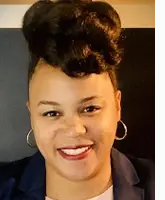
Adria Williams, Ph.D., is a Military Behavioral Health Psychologist at the Center for Deployment Psychology (CDP) with the Uniformed Services University of the Health Sciences. Dr. Williams is a suicide prevention subject matter expert and trainer.
Part III References
Alexander, M., Houck, K. K., Hooker, J., Stratton, M., & Huh, M. (2024). Assessment of a naloxone distribution plan in a veteran population who experienced an opioid-related overdose event. Journal of the American Pharmacists Association, 64(3), 101999. https://doi.org/10.1016/j.japh.2023.12.018
Bennett, A. S., & Elliott, L. (2021). Naloxone's role in the national opioid crisis-past struggles, current efforts, and future opportunities. Translational research: the journal of laboratory and clinical medicine, 234, 43–57. https://doi.org/10.1016/j.trsl.2021.03.001
Bohnert, A. S., Ilgen, M. A., Galea, S., McCarthy, J. F., & Blow, F. C. (2011). Accidental poisoning mortality among patients in the Department of Veterans Affairs Health System. Medical care, 49(4), 393–396. https://doi.org/10.1097/MLR.0b013e318202aa27
Brendel, H. (2025, February 21). A lifesaving chance: The USU and DHA OEND Program increases naloxone distribution. Uniformed Services University News. https://news.usuhs.edu/2025/02/a-lifesaving-chance-usu-and-dha-oend.html
Edinoff, A. N., Nix, C. A., Reed, T. D., Bozner, E. M., Alvarez, M. R., Fuller, M. C., Anwar, F., Cornett, E. M., Kaye, A. M., & Kaye, A. D. (2021). Pharmacologic and Clinical Considerations of Nalmefene, a Long Duration Opioid Antagonist, in Opioid Overdose. Psychiatry International, 2(4), 365-378. https://doi.org/10.3390/psychiatryint2040028
Gammon, D. G., Gaber, J., Saunders, M., & Zarkin, G. A. (2025). Estimates of first-year OTC naloxone sales in four U.S. states with high rates of opioid overdose deaths: KY, MA, NY, OH. Journal of substance use and addiction treatment, 178, 209762. https://doi.org/10.1016/j.josat.2025.209762
Johnson, R. E., Chutuape, M. A., Strain, E. C., Walsh, S. L., Stitzer, M. L., & Bigelow, G. E. (2000). A comparison of levomethadyl acetate, buprenorphine, and methadone for opioid dependence. The New England journal of medicine, 343(18), 1290–1297. https://doi.org/10.1056/NEJM200011023431802
Kirchmayer, U., Davoli, M., Verster, A.D., Amato, L., Ferri, A., and Perucci, C.A. (2002). A systematic review on the efficacy of naltrexone maintenance treatment in opioid dependence. Addiction, 97: 1241-1249. https://doi-org.usu01.idm.oclc.org/10.1046/j.1360-0443.2002.00217.x
Knudsen, H. K., Back-Haddix, S., Andrews-Higgins, S., Goetz, M., Davis, O. A., Oyler, D. R., Walsh, S. L., & Freeman, P. R. (2025). Organizational perspectives on the impacts of scaling up overdose education and naloxone distribution in Kentucky. Addiction Science & Clinical Practice, 20(1), 27. https://doi.org/10.1186/s13722-025-00553-2
McIntyre RS, Harris ME, Todtenkopf MS, Akerman S, and Burgett J (2024). Opioid antagonists: clinical utility, pharmacology, safety, and tolerability. CNS Spectrums 29(6), 542–548. https://doi.org/10.1017/S1092852924002189
Oliva, E. M., Bustamante, R., & Zhu, D. T. (2024). Identifying gaps in Veterans Health Administration (VHA) distribution of lifesaving naloxone. HSR&D Forum. https://www.hsrd.research.va.gov/publications/forum/spring24/default.cfm?ForumMenu=spring24-4
Oliva, E. M., Christopher, M. L., Wells, D., Bounthavong, M., Harvey, M., Himstreet, J., Emmendorfer, T., Valentino, M., Franchi, M., Goodman, F., & Trafton, J. A. (2017). Opioid overdose education and naloxone distribution: Development of the Veterans Health Administration’s national program. Journal of the American Pharmacists Association, 57(2), S168-S179.e4. https://doi.org/10.1016/j.japh.2017.01.022
Oliva, E. M., Richardson, J., Harvey, M. A., & Bellino, P. (2021). Saving Lives: The Veterans Health Administration (VHA) Rapid Naloxone Initiative. The Joint Commission Journal on Quality and Patient Safety, 47(8), 469-480. https://doi.org/10.1016/j.jcjq.2021.06.004
Payte J. T. (1991). A brief history of methadone in the treatment of opioid dependence: a personal perspective. Journal of psychoactive drugs, 23(2), 103–107. https://doi.org/10.1080/02791072.1991.10472226
Sasson, C., Dieujuste, N., Klocko, R., Basrai, Z., Celedon, M., Hsiao, J., Himstreet, J., Hoffman, J., Pfaff, C., Malmstrom, R., Smith, J., Holstein, A., & Johnson-Koenke, R. (2023). Barriers and facilitators to implementing medications for opioid use disorder and naloxone distribution in Veterans Affairs emergency departments. Academic Emergency Medicine, 30(4), 289-298. https://doi.org/10.1111/acem.14683
Sullivan, M. A., Garawi, F., Bisaga, A., Comer, S. D., Carpenter, K., Raby, W. N., Anen, S. J., Brooks, A. C., Jiang, H., Akerele, E., & Nunes, E. V. (2007). Management of relapse in naltrexone maintenance for heroin dependence. Drug and Alcohol Dependence, 91(2-3), 289–292. https://doi.org/10.1016/j.drugalcdep.2007.06.013
Sugarman OK, Hulsey EG, Heller D. Achieving the Potential of Naloxone Saturation by Measuring Distribution. JAMA Health Forum. 2023;4(10):e233338. https//doi.org/10.1001/jamahealthforum.2023.3338
U.S. Department of Defense, Defense Health Agency. (2023). Opioid overdose education and naloxone distribution (OEND) program. https://www.health.mil/Military-Health-Topics/Access-Cost-Quality-and-Safety/Pharmacy-Operations/OEND-Program
U.S. Food and Drug Administration (2023a, March 29). FDA approves first over-the-counter naloxone nasal spray. https://www.fda.gov/news-events/press-announcements/fda-approves-first-over-counter-naloxone-nasal-spray
U.S. Food and Drug Administration (2023b, May 23). FDA approves prescription nasal spray to reverse opioid overdose. https://www.fda.gov/news-events/press-announcements/fda-approves-prescription-nasal-spray-reverse-opioid-overdose
U.S. Food and Drug Administration. (2024, August 7). FDA approves first nalmefene hydrochloride auto-injector to reverse opioid overdose. https://www.fda.gov/news-events/press-announcements/fda-approves-first-nalmefene-hydrochloride-auto-injector-reverse-opioid-overdose
Volkow, N. D., Jones, E. B., Einstein, E. B., & Wargo, E. M. (2019). Prevention and Treatment of Opioid Misuse and Addiction: A Review. JAMA psychiatry, 76(2), 208–216. https://doi.org/10.1001/jamapsychiatry.2018.3126
World Health Organization. (2009). Guidelines for the psychosocially assisted pharmacological treatment of opioid dependence (Annex 12, Prescribing guidelines). World Health Organization. https://www.ncbi.nlm.nih.gov/books/NBK143167/
By the Numbers: 25 November 2025
November 25, 2025
84
The number of military members killed in motorcycle crashes in FY 25, according to an article in Stars and Stripes -- US military’s rate of motorcycle accidents proves costly in lives, care and lost duty time. By service branch, the fatality numbers were:
- Navy: 45 deaths (30 sailors, 15 Marines)
- Army: 28 deaths
- Air Force: 11 deaths
Research Update: 20 November 2025
November 20, 2025
The weekly Research Update contains the latest news, journal articles, and useful links from around the web. Some of this week's topics include:
● Identifying Priorities in Behavioral Health for Military Youth and Families.
● Alcohol Consumption Per Capita and Suicide: A Meta-Analysis.
● Cognitive Behavioral Therapy for Insomnia in People With Chronic Disease: A Systematic Review and Meta-Analysis.
● Eye Movement Desensitization and Reprocessing Therapy in Persons With Personality Disorders: A Randomized Clinical Trial.
Staff Perspective: Who Can? We Can. Narcan! - A Naloxone Primer in Three Parts
November 19, 2025
As a Suicide Prevention Subject Matter Expert, most of my time these days is spent learning and sharing information to prevent suicide among military-connected individuals. That focus means I’m not always up to date on the evolving landscape of substance use disorders (SUDs), risk management, and treatment.
PARTs I & II: Biology and History
As a Suicide Prevention Subject Matter Expert, most of my time these days is spent learning and sharing information to prevent suicide among military-connected individuals. That focus means I’m not always up to date on the evolving landscape of substance use disorders (SUDs), risk management, and treatment.
At one point in time, I provided SUD treatment across levels of care in a range of settings in both DC and Baltimore. It should be noted that that “point in time” started last century and ended 15 years ago. So when I volunteered to write this blog, I initially thought, “I could write this with my eyes closed.” (Ah, the hubris of doctorate-level providers, amirite?) My wake-up call was as swift as it was humbling—the field has changed as much as the neighborhood I grew up in.
After overthinking it, I narrowed the list to three possible topics:
- “Being a Substance Use Disorder Treatment Provider Ain’t for the Faint of Heart” – The Importance of Self-Care for SUD Treatment Providers
- “They Used to Prescribe Narcotic Painkillers Like Pez Dispensers—Now All I Got After Surgery Was Acetaminophen and Lidocaine Patches” – Navigating the Balance Between Pain Management and Reduced Opioid Access
- “Who Can? We Can, Narcan!” – A Naloxone Primer
While all three could be informative, I landed on the third—because it allows me to both learn and teach something. So, without further ado…
Let’s Plug In: Science Lesson: How Opioids Work in the Brain
Receptors, Agonists, and Antagonists
Before we can talk about policies, treatment, or even naloxone, we have to understand the science. Opioids don’t just change behavior — they literally rewire the brain. This first part of the “Who Can? We Can, Narcan!” series breaks down what happens inside the nervous system when opioids enter the body. Whether you’re a clinician, a prevention specialist, or someone supporting military-connected individuals, knowing some basics will lay the foundation for understanding both addiction, the dangers of overdose, and a path to recovery.
Picture your brain as a wall covered in power outlets. These outlets control different functions in the body—they are receptors. They are activated when they get “plugged in”. Below are the “plug” options that determine power flow:
- Agonists: Both sockets have plugs = full power
- Partial Agonists: one socket is plugged in = partial power
- Antagonists: outlet is covered = No power + blocks other plugs
Now, the brain has different types of “outlets” that power all sorts of things. Today, we’re going to focus on one type: μ-(Mu) opioid receptors (MOR). They regulate pain relief, improve mood, and decrease breathing to restore homeostasis after stress or injury. The plugs that provide power to these receptors are called opioid agonists, opioid partial agonists, and opioid antagonists–clever, huh? (Kosten & George, 2002)
Tolerance
Your brain naturally produces endogenous opioid agonists (e.g., endorphins) that plug into MORs. But if the pain is chronic, your body may habituate to the effect over time. When that happens, the opioid agonist is still plugged in, but the power provided is no longer strong enough to alleviate pain or improve mood–this is tolerance (DuPen, Shen, & Ersek, 2007). Tolerance occurs for both endogenous and exogenous opioid agonists (opioids from an external source).
Dependence and Withdrawal
With tolerance comes repeated/increased use; subsequently, the brain adapts, reducing its own endorphin production and increasing other endogenous chemicals to maintain relative balance in affected brain systems. Now, the body relies on opioids just to feel normal, which is considered physical dependence (Kosten & George, 2002).
When the exogenous opioid is removed, the resulting chemical imbalance can lead to agitation and anxiety, severe muscle and bone pain, diarrhea and vomiting, chills and/or sweats, insomnia, not to mention increased breathing, blood pressure, and heart rate. That’s withdrawal, and the lived experience is even worse than the description sounds. While not considered life-threatening in most cases, it is agonizing. People experiencing it have reported “feeling like they were dying” or “wishing they would die.” A person in this position is no longer taking opioids to “feel good,” they are taking them to prevent themselves from feeling wretched (Kosten & George, 2002).
Overdose
Quick reminder, the opioid receptors that manage pain and boost mood also suppress breathing. The pattern of increased frequency/strength of opioid use eventually can lead to too much activation → oxygen deprivation → opioid overdose (Bateman, Saunders, & Levitt, 2023). If oxygen deprivation lasts several minutes, it can cause brain/organ damage, which can be fatal. While increased use to offset tolerance and withdrawal can lead to eventual overdose, an overdose can occur with just one use if the opioid is potent enough. This is especially relevant in today’s fight to prevent opioid overdose deaths. The introduction of such potent opioids, such as fentanyl, into the drug market, sometimes mixed with or disguised as less potent opioids, has skyrocketed overdose rates (Bateman et al., 2023).
The way opioids act on the brain helps explain why they’ve followed us through history — from the battlefield to the bedside. Next, we’ll trace how America’s wars and public policies turned medical innovation into recurring opioid epidemics, setting the stage for the crisis we face today.
PART II: History
Wars and Waves: The Interconnected History of Opioid Use and Wars in the US
In Part I, we explored the neurobiology of opioids and how easily the brain’s reward system can be hijacked. But the opioid epidemic isn’t just a story of molecules — it’s a story of people, policy, and history. Each major U.S. conflict has left behind not only physical and psychological scars but also a trail of opioid dependence. This section of the series follows the timeline of how war, medicine, and public perception intersected to create wave after wave of opioid crises.
It Actually Began with Flowers
Opioid use has been around for a long time…like a really long time. There’s evidence that opium from the poppy flower (an exogenous opioid agonist) was first cultivated in ancient Europe close to 8000 years ago (Salavert et al., 2020). That said, opioids didn't really start showing up in American History until the 1600s. From there, our wars turn everyday use into epidemics.
We’ll start in the 1770s, when the US was fighting its first war —the war for its independence…
Wars
Revolutionary War
During the Revolutionary War (1775-1783), laudanum (a mix of opium and alcohol) gained popularity as a go-to for pain relief by American soldiers (Committee on Prevention, Diagnosis, Treatment, and Management of Substance Use Disorders in the U.S. Armed Forces [CPDTM-SUD], 2013). Laudanum and opium use continued following the war as common household remedies, prescribed especially to women for “nervous complaints” and to infants as sleep aids (Levitt, 2013). In the early 1800s, morphine was discovered and was quickly embraced by the medical community as a “miracle drug” for pain and anxiety (Dormandy, 2012).
Civil War
The Civil War (1861-1865) is, to date, the bloodiest war in American history, so it’s not surprising that morphine and laudanum use surged during this time (Courtwright, 2001). Of note, immediately before the Civil War, the invention of the hypodermic syringe and needle enabled direct injection of morphine, revolutionizing pain control — and unfortunately accelerating opioid dependence (Dormandy, 2012). These advances, in conjunction with the devastating mental and physical injuries of the war, resulted in the nation’s first opioid epidemic; it was during this time that Opioid Use Disorder was coined “the soldier’s disease”(CPDTM-SUD, 2013).
In Germany, shortly thereafter, a chemist at Bayer Pharmaceutical Company developed heroin, deemed a safe, non-addictive alternative to morphine (DEA Museum). This proved to be untrue with dire and enduring consequences; as it turns out, heroin is cheaper, more potent, and more addictive than morphine (Murrin, 2008).
Vietnam War and the “War on Drugs”
The Vietnam War era (1950s-1970s) was the next time opioid use reached epidemic levels, fueled by the intersection of returning soldiers and increased availability of heroin in marginalized neighborhoods (Bergen-Cico, 2015). Although this epidemic was less severe than the one following the Civil War, it led to another type of war, the “War on Drugs,” criminal justice-based policies designed to limit drug supply and use (Farber, 2022). The criminalization of drug use/dependence led to limited access to treatment, an increase in overdose deaths, and spikes in co-occurring infectious disease epidemics such as Hepatitis C and HIV/AIDS through the 1980s into the 1990s (Gostin, 1991).
“The War on Terror” and the Waves of the Current Epidemic
In the mid-1990s, deceptive marketing of prescription opioids (POs) ushered in today’s opioid epidemic (Kolodny, 2015; Van Zee, 2009). This epidemic is unique in that it has been marked by distinct waves and persisted for close to 30 years, making it the longest and deadliest in U.S. history (Jenkins, 2021). The first wave began around 1999, and from 1999 to 2011, the PO overdose death rates nearly quadrupled (Chen, Hedegaard, & Warner, 2014).
It is within this opioid wave that the “War on Terror” Takes place. By 2008, more than 10% of active duty service members were taking opioids either legally or illegally, and between 2000 and 2009, PO overdose deaths among Veterans Health Administration patients nearly doubled (Bohnert et al., 2014; CPDTM-SUD, 2013).
After peaking in 2010, prescriptions for POs declined due to efforts to limit access. Heroin use rebounded in 2010, sparking the 2nd wave in the epidemic with heroin overdose deaths peaking in 2016 (CDC, 2025; Rudd et al., 2016). In 2013, however, a more potent opioid drug hit the illicit drug market, marking the 3rd wave and quickly surpassing all other opioids in terms of potency and mortality: fentanyl (CDC, 2025; Ciccarone, 2017).
Fentanyl (and its analogs) and the 4th Wave
Fentanyl was initially synthesized by pharmaceutical companies in the 1950s for hospital use in surgery and treating severe pain (U.S. Drug Enforcement Administration [DEA], 2020). As such, it is 50 times more potent than heroin and 100 times more potent than morphine (DEA, 2020). In 2013, illicitly manufactured fentanyl and its analogs entered the U.S. drug supply, often passed off as heroin, prescription opioids, and/or benzodiazepines, exposing new, unsuspecting users to the highly potent drug (Schueler & Toner, 2017). In terms of impact, by 2016, Fentanyl surpassed both heroin and prescription drugs as the leading cause of opioid-involved overdose deaths in the U.S. (Ciccarone, 2021; NIDA, 2024).
After a slight decline in Opioid overdose deaths from 2017 to 2018, a new pattern in the epidemic has emerged. Described as the “4th wave,” it is unique as it is not due to the decline in one substance as another increases. It is instead due to polydrug use and overdose deaths, specifically fentanyl with methamphetamine and/or cocaine (Ciccarone, 2021). While COVID-19 did not cause the 4th wave, it did exacerbate its impact, further increasing use and related deaths (Manchikanti et al., 2022).
As of 2023, opioid overdose deaths were nearly ten times as high as it was in 1999 (NIDA, 2024). Today, fentanyl-related substances are thought to be responsible for ~75% of opioid overdose deaths in the US (NIDA, 2024).
History shows that with every war, our understanding of opioids evolves — and so does the toll they take. But the story doesn’t end with despair. In Part III, we’ll meet the new heroes in this fight: the scientists, clinicians, and military health professionals driving lifesaving change through education, innovation, and access to medications like naloxone.
The opinions in CDP Staff Perspective blogs are solely those of the author and do not necessarily reflect the opinion of the Uniformed Services University of the Health Science or the Department of War.
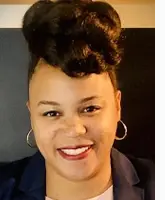
Adria Williams, Ph.D., is a Military Behavioral Health Psychologist at the Center for Deployment Psychology (CDP) with the Uniformed Services University of the Health Sciences. Dr. Williams is a suicide prevention subject matter expert and trainer.
Part I & II References
Bateman, J. T., Saunders, S. E., & Levitt, E. S. (2023). Understanding and countering opioid-induced respiratory depression. British Journal of Pharmacology, 180(7), 813–828. https://doi.org/10.1111/bph.15580
Bergen-Cico, D. K. (2015). War and Drugs: The Role of Military Conflict in the Development of Substance Abuse. United Kingdom: Taylor & Francis. https://doi.org/10.4324/9781315631226
Bohnert, A. S., Ilgen, M. A., Trafton, J. A., Kerns, R. D., Eisenberg, A., Ganoczy, D., & Blow, F. C. (2014). Trends and regional variation in opioid overdose mortality among Veterans Health Administration patients, fiscal year 2001 to 2009. The Clinical journal of pain, 30(7), 605–612. https://doi.org/10.1097/AJP.0000000000000011
Centers for Disease Control and Prevention. (2025, June 9). Understanding the opioid overdose epidemic. https://www.cdc.gov/overdose-prevention/about/understanding-the-opioid-overdose-epidemic.html
Chen LH, Hedegaard H, Warner M. ( 2014). Drug-Poisoning Deaths Involving Opioid Analgesics: United States, 1999–2011. NCHS Data Brief No. 166. Hyattsville, MD: Natl. Cent. Health Stat. [Google Scholar]
Ciccarone, D. (2017). Fentanyl in the U.S. heroin supply: A rapidly changing risk environment. International Journal of Drug Policy, 46, 107–111. https://doi.org/10.1016/j.drugpo.2017.06.010
Ciccarone D. (2021). The rise of illicit fentanyls, stimulants and the fourth wave of the opioid overdose crisis. Current Opinion in Psychiatry, 34(4):344-350. https://doi.org/10.1097/YCO.0000000000000717
Committee on Prevention, Diagnosis, Treatment, and Management of Substance Use Disorders in the U.S. Armed Forces, Board on the Health of Select Populations, Institute of Medicine, O’Brien, C. P., Oster, M., & Morden, E. (Eds.). (2013, February 21). Substance use disorders in the U.S. armed forces. National Academies Press. https://doi.org/10.17226/13441
Courtwright D. T. (2001). Dark paradise: A history of opiate addiction in America. Cambridge, MA: Harvard University Press. https://www.hup.harvard.edu/books/9780674005853
DEA Museum. (n.d.). Heroin bottle: Bayer & Co. Retrieved from https://museum.dea.gov/museum-collection/collection-spotlight/artifact/heroin-bottle
Dormandy, T. (2012). Opium: Reality’s Dark Dream. Yale University Press. https://yalebooks.yale.edu/book/9780300175325/opium/
DuPen, A., Shen, D., & Ersek, M. (2007). Mechanisms of opioid-induced tolerance and hyperalgesia. Pain Management Nursing, 8(3), 113–121. https://doi.org/10.1016/j.pmn.2007.02.004
Farber, D. ed. (2022). The War on Drugs: A History. NYU Press Scholarship Online. https://doi.org/10.18574/nyu/9781479811359.001.0001
Gostin, L. O. (1991). The interconnected epidemics of drug dependency and AIDS. Harvard Civil Rights–Civil Liberties Law Review, 26, 114–184. https://scholarship.law.georgetown.edu/facpub/761
Kolodny, A., Courtwright, D. T., Hwang, C. S., Kreiner, P., Eadie, J. L., Clark, T. W., & Alexander, G. C. (2015). The prescription opioid and heroin crisis: A public health approach to an epidemic of addiction. Annual Review of Public Health, 36, 559–574. https://doi.org/10.1146/annurev-publhealth-031914-122957
Jenkins, R. A. (2021). The fourth wave of the US opioid epidemic and its implications for the rural US: A federal perspective. Preventive Medicine, 152, 106541. https://doi.org/10.1016/j.ypmed.2021.106541
Kosten, T. R., & George, T. P. (2002). The neurobiology of opioid dependence: implications for treatment. Science & Practice Perspectives, 1(1), 13–20. https://doi.org/10.1151/spp021113
Levitt, R. (2013). Unsafe Medicine: Laudanum in the 19th Century. Wellcome History, (51), 24-25. https://kclpure.kcl.ac.uk/ws/portalfiles/portal/14660527/Pages_from_Levitt_Wellcome_History_Feb_2013.pdf
Manchikanti, L., Singh, V. M., Staats, P. S., Trescot, A. M., Prunskis, J., Knezevic, N. N., Soin, A., Kaye, A. D., Atluri, S., Boswell, M. V., Abd-Elsayed, A., & Hirsch, J. A. (2022). Fourth Wave of Opioid (Illicit Drug) Overdose Deaths and Diminishing Access to Prescription Opioids and Interventional Techniques: Cause and Effect. Pain Physician, 25(2), 97–124. https://pubmed.ncbi.nlm.nih.gov/35322965/
Murrin, L. C. (2008). Heroin. In S. J. Enna & D. B. Bylund (Eds.), xPharm: The comprehensive pharmacology reference (pp. 1–9). Elsevier. https://doi.org/10.1016/B978-008055232-3.63891-7
National Institute on Drug Abuse (NIDA). (2024). Overdose death rates. https://nida.nih.gov/research-topics/trends-statistics/overdose-death-rates
Rudd, R. A., Seth, P., David, F., & Scholl, L. (2016). Increases in Drug and Opioid-Involved Overdose Deaths - United States, 2010-2015. MMWR. Morbidity and mortality weekly report, 65(50-51), 1445–1452. https://doi.org/10.15585/mmwr.mm655051e1
Salavert, A., Zazzo, A., Martin, L., Antolín, F., Gauthier, C., Thil, F., Tombret, O., Bouby, L., Manen, C., Mineo, M., Piqué, R., Rottoli, M., Rovira, N., Toulemonde, F., & Vostrovská, I. (2020). Direct dating reveals the early history of opium poppy in western Europe. Scientific Reports, 10(1), 1-10. https://doi.org/10.1038/s41598-020-76924-3
Schueler, H. E., & Toner, B. B. (2017). Emerging synthetic fentanyl analogs: A review. International Journal of Drug Policy, 46, 150-157 https://doi.org/10.23907/2017.004
U.S. Drug Enforcement Administration. (2020, June). Drug fact sheet: Fentanyl [PDF]. https://www.dea.gov/sites/default/files/2020-06/Fentanyl-2020_0.pdf
Van Zee, A. (2009). The promotion and marketing of OxyContin: Commercial triumph, public health tragedy. American Journal of Public Health, 99(2), 221–227. https://doi.org/10.2105/AJPH.2007.131714