

Stories
Staff Perspective: How Ready Do Military Families Need to Be?
January 28, 2026
By Drs. Jessica Strong and Elizabeth Burgin
Military families are ready. Military children are resilient.
These terms - “readiness” and “resilience” - are widely used as compliments, describing the strength, tenacity, and perseverance of military families to adapt and overcome the challenges of military life: family separations, frequent moves, and inherent dangers. And indeed, we celebrate the strength of these families.
But how ready do families need to be?
How resilient is enough?
Do families truly have to be Semper Paratus - always ready?
What does it mean to be “ready” or “resilient”?
This expectation and celebration of readiness and resilience is a dual-edged sword. While the sentiment behind the labels is good, their oversimplification has caused controversy. The core problem lies in the blurred, often contradictory, understanding of what it means to be truly ready for the military lifestyle.
First, let’s look at readiness.
The DoD has defined Family Readiness as:
“The state of being prepared to effectively navigate the challenges of daily living experienced in the unique context of military service” (DoD Instruction 1342.22).
This characterizes “readiness” firmly as a state, something that shifts with time and context. A more nuanced understanding of readiness recognizes that it is not just a state, but a cultivated state —a limited resource that we must actively support and replenish, like a basil plant. If you cultivate it and let it flourish with water, sunshine, and rich soil, you can continuously reap its rewards. You can make pesto today and still have leaves for margherita pizza next week. But if you strip all the leaves clean, or neglect to water it, the plant will not magically produce more leaves on demand. When you know it is finite, but replenishable, you use it more sparingly and be intentional about nurturing it when it’s under stress.
The military family's capacity for readiness is like that basil plant. It requires continuous, systemic nourishment to sustain its strength against the constant, compounding demands of military life.
Now, let’s look at resilience.
Resilience is commonly conceptualized as the ability to bounce back from stress, like a rubber ball. The rubber ball has the inherent ability to bounce back, because of its nature. No matter how often or how hard it is thrown, it will bounce back because it is made to do so.
This definition characterizes resilience as a trait - something a person has or does not have. Defined this way, military family members either have the ability to be resilient, or they fall short. When the system operates under the trait assumption—the label can become a weapon that denies struggling families the necessary aid.
Military spouse and author Jennifer Barnhill highlights this danger, noting that “Military resilience has been reduced to a verbal pat on the back for military families to earn—a label that is awarded, not a skill they develop” (Barnhill, 2025).
This praise feeds the dangerous "superhero" narrative, which gives drowning families a high five instead of a hand up. Being labeled "resilient" can actively block access to care. Barnhill describes an instance in which a spouse navigating serious medical care for their children was denied case management support because they "appeared resilient" and didn’t seem to need the resource.
In these cases, praise without practical support isn't just hollow; it becomes pressure to endure silently. It does real harm; spouses go without health care, including mental health care, for fear of appearing “weak” or not living up to the expectation of resilience. This damages the whole family, as we know the parents’ mental health is one of the best predictors of a child’s wellbeing (Briggs et al., 2020).
Furthermore, labeling families as inherently resilient glosses over the modifiable stressors that required resilience in the first place. It shifts the focus to individual coping skills instead of policies, resources, and sustainable support that could help carry the load.
After rigorously examining how family resilience is defined in the academic literature, Meadows and colleagues concluded: “Readiness is a state and/or condition that focuses on the resources individuals have before experiencing stress, whereas resilience is a process that focuses on the outcome of experiencing stress” (Meadows et al., 2015). They suggest that a definition of resilience should include the following themes: “a process, successfully overcoming adversity or obstacles, being strengthened by an experience, and having resources and utilizing these resources effectively” (Meadows et al., 2015) and further suggest adopting the following definition or family resilience:
“Family resilience can be defined as the ability of a family to respond positively to an adverse situation and emerge from the situation feeling strengthened, more resourceful, and more confident than its prior state.” (Simon et al., 2005).
This definition recognizes that military families can grow stronger through successfully navigating the unique and cumulative stressors of military service, but they require resources and support.
Military family readiness is a context-dependent, cultivated state that must be supported and nurtured.
Military family resilience is a process by which families may recover from adversity and emerge stronger, but it requires the provision or development of resources.
In either case, to conceptualize either readiness or resilience as a trait that families either have or don’t have is problematic and can cause real harm.
It is simply impossible for any human unit to be truly ready at all times and resilient in all circumstances. Striving for constant preparedness and immediate recovery from cumulative stressors is unsustainable and unrealistic. The military family, especially without the benefit of traditional civilian systems of support (extended family, stable employment, local networks), is not a self-contained unit capable of adapting to every stressor at any time with no external support.
True readiness or resilience are not about always bouncing back or being ready for anything at any time, and depend on creating and maintaining sustainable systems of support, not individual grit and bootstraps.
Developing these sustainable systems of support is not the sole responsibility of military families - though they have a big role! It is also not solely the responsibility of the military system. This fabric of support should include strands from families, military systems, and the larger civilian community and society. We need to shift from a demand for military families to be superheroes and instead build stronger, more adaptable support systems that match the magnitude of their sacrifice.
We can start by using the right language.
References:
Barnhill, J. (2025). The military stories you’ve been told and the ones you need to hear. E.P. House.
Briggs, E. C., Fairbank, J. A., Tunno, A. M., Lee, R. C., Corry, N. H., Pflieger, J. C., Stander, V. A., & Murphy, R. A. (2020). Military life stressors, family communication and satisfaction: Associations with children’s psychosocial outcomes. Journal of Child & Adolescent Trauma, 13(1), 75–87. https://doi.org/10.1007/s40653-019-00259-z
McInerney, S.A., Waldrep, E., and Benight, C.C. (2022). Resilience enhancing programs in the U.S. military: An exploration of theory and applied practice. Military Psychology. 36(3). 241-252. doi.org/10.1080/08995605.2022.2086418
Simon, J., Murphy, J., and Smith, S. (2005). “Understanding and fostering family resilience,” The Family Journal, 13, 2005, 427–436.
Staff Perspective: Crafting Calm - Why Video Games Can Be a Healthy Coping Skill
January 21, 2026
 By Brian Ludden, Ed.D., LMHC, LPC
I remember being a kid, maybe nine or ten years old, rushing to my best friend’s house after school to play Mario Kart on his Nintendo. We would spend hours racing around 16-bit rainbow tracks, smashing blocks, and throwing bananas. I didn’t realize then that gaming could be more than entertainment, or that for some people it could one day become a healthy way to cope with stress.
For years, I’ve been drawn to survival, crafting, and adventure-style games. Think Minecraft, Conan Exiles, Valheim, or Enshrouded, to name a few. In these games, players gather resources, build shelters, craft tools, and shape the world around them. What I’ve always appreciated is that many of these games allow creativity without urgency. There is often no pressure to perform, no constant combat or repeated restarts after dying, and no demand to move quickly. Instead, there is space to explore, discover, and build at your own pace. For me, that slower rhythm is calming, relaxing, and restorative, rather than the stress that is often associated with gaming.
So it caught my attention when, during a recent therapy session, my client asked, “Is playing video games a good coping skill, or am I just avoiding my issues?”
The client, a woman in her mid-60s, has been struggling with significant anxiety, stress, and worry related to a number of all-encompassing life circumstances. Throughout our time together, we have been working to build coping skills that support the deeper and sometimes difficult work we are doing in session. Recently, she began playing Valheim with her adult son, who lives across the country. It has become a meaningful way for them to connect, but as she noted, it has also served as a powerful distraction from her worries.
Valheim is an open-world survival and crafting game set in a Viking-inspired landscape. Players explore a vast environment with few limits, gathering resources, building homes and settlements, and progressing through the game at their own pace, either solo or cooperatively with others online.
Her concern that gaming might be more avoidance than coping is not unfounded. Healthy distraction, unfortunately, has developed a poor reputation in many therapeutic spaces. Historically, a number of therapeutic models emphasized emotional processing and direct engagement with distress, often cautioning that anything pulling a client away from “doing the work” could be counterproductive.
There has long been a belief that growth requires sitting with distress and acclimating to it. While that approach can be helpful for some, not every person responds well to sustained emotional exposure, especially when their nervous system is already overwhelmed.
The concern that distraction equals avoidance is understandable, but it misses something important. Healthy distraction is not about permanently avoiding unpleasant or distressing feelings. It is about creating enough space for the brain and body to recover from the physical and emotional impacts of stress. When someone is chronically overstressed, their nervous system struggles to self-regulate. Insight narrows, problem-solving becomes harder, and overall well-being declines.
In these moments, healthy distraction can allow anxiety to settle, reduce reactivity, and restore balance. From that regulated place, people often return to their challenges with clearer thinking, renewed motivation, and greater resilience.
Relief is not the enemy of growth. Sometimes, when you are stressed, overwhelmed, and struggling to make sense of the world around you, you don’t need more effort or insight. You may simply need a brief visit to another world, one that allows you to rest, reset, and return.
So the next time you find yourself, or a client you support, feeling overwhelmed and dysregulated, consider stepping into a new world for a while. Harvest a few resources, build something meaningful, and allow yourself time to rest and reset. You might be surprised to find that when you return, the challenges you left behind feel a little more manageable.
If you are curious about where to start, I often recommend Enshrouded as an excellent entry point for those seeking a relaxing gaming experience. It is, by far, my personal favorite. Its emphasis on exploration, building, and creativity allows players to engage at their own pace. There are countless tutorials and creative design videos on YouTube for those who enjoy learning by watching or who simply want a bit of inspiration. It is a great option for exploring whether this kind of play feels restorative for you or the clients you support. You can visit enshrouded.com to learn more about the game, or take some time to explore the other games mentioned here and see which ones spark your curiosity.
The opinions in CDP Staff Perspective blogs are solely those of the author and do not necessarily reflect the opinion of the Uniformed Services University of the Health Science or the Department of Defense.
Brian Ludden, Ed.D., LMHC, LPC, , is a Military Behavioral Health Counselor at the Center for Deployment Psychology (CDP) within the Uniformed Services University of the Health Sciences in Bethesda, Maryland.
Staff Perspective: Imposter vs. God Complex - What Does “Professional Confidence” Actually Mean?
January 14, 2026
 By
By Lately, I have found myself speaking a lot with new professionals in our field, all of whom had anxiety about not knowing what to do and experiencing big-time imposter syndrome. It has made me reminisce about my own beginnings and the anxiety I felt being new, looking forward to the day I would feel confident with my cases. I hate to tell all of you new professionals this, but the idea that professional confidence is knowing exactly what to do all the time is an absolute myth.
What is professional confidence made of? How do you get it? Is it knowing how to treat each patient you encounter, or is it something else? The belief that at some point during your training or early years you will suddenly know exactly what you are doing is seriously unhelpful pressure. This idea inevitably causes panic when people realize that they still don’t know what to do with different patients. “I don’t know what I’m doing!” “I’m an imposter!” You can insert any similar statement here and they all ultimately do the same thing – kill our professional self-esteem and confidence. How can you be professionally confident if you don’t “know what you are doing”? How can you develop confidence otherwise? To answer these questions we have to explore what professional confidence really involves.
Is professional confidence achieved by making sure you do treatments “by the book” so you are following an evidence-based path? That does result in you being confident in the evidence base behind the treatment. However, I cannot honestly think of the last time I had an evidence-based treatment go perfectly and without my having to figure out how to adapt it in some way to make it work for the more unusual cases I tend to get. We also know that even when we can follow a specific protocol with absolute fidelity, we still don’t know what the patient will do – if they too will be absolutely faithful to it, how they will apply the learned skills, or what their end results will be.
Does professional confidence mean having lots of different treatment protocols in your toolkit that you can select from? That way, you have something to pull out at the appropriate time. That is part of it, but not all. Variety in your training and the treatment protocols you know does mean you are more likely to have something to apply to your patient. You still have to figure out how to shape that protocol to fit the person sitting in front of you, and that is where things can get dicey. Flexibility in therapy is crucial to meet our patients’ needs. This is where the artwork comes in, and there isn’t a manual for that.
If you can’t know how to treat everything, can you be professionally confident if you simply focus on a specialty area, meaning you only take specific patients and can apply the same tools? This would mean that you become more expert with those treatments and how to apply them to fit your patient’s needs. People who specialize are absolutely more expert in their concentration area than people who remain generalists. But even specialists find many times when they don’t know what to do with a specific case. Does this mean they simply aren’t expert enough yet, and if they continue their study they will gain this confidence? Probably not, because there will always be times when their expertise doesn’t perfectly fit with the presenting patient.
I worked daily with behavioral health interns for many years and continue to work with them intermittently to this day. What I have observed is that for most new professionals, they think being professionally confident means one of the things I’ve already mentioned – being skilled enough treating patients that you know how to treat whatever case presents itself. “I know what I’m doing” equates to knowing a specific treatment plan and knowing you can follow through with it successfully by the time the patient leaves their first appointment. They feel that admitting to not knowing what to do with a patient is some kind of failure as a professional.
In my humble opinion, the bottom line is this: the day you know exactly what you are doing, you need to get out of the profession because you then have a god complex. Feeling confident in this field isn’t always knowing what to do. It is knowing you can figure it out. And that doesn’t have to be in a single session. Do you know the basics – how to check for safety, explain limits of confidentiality, and get enough background information to have a good idea of the presenting problem and the start of a case conceptualization? Are you able to be an active and empathic listener, establish rapport, and ensure the patient feels heard by you? In other words, can you do the very basics that go into every encounter? If the answers are “yes” to these, then I think you indeed know what you are doing overall.
As for knowing the various treatment protocols to address different diagnostic issues, those are things we can consult about, read up on, and get further training for. There will always be times when I am at the end of a session and have no clue what to do next. But I can assure my patient we will figure it out together to get them on the path toward recovery, whatever that might look like for them. That is what professional confidence looks like. I’m not a god. I don’t know everything and I never will, especially when it comes to the immense variety in our patients. There will always be cases that challenge me and treatments I’m not yet sure about. That is what keeps me striving as a professional – not knowing it all, but having the confidence I can learn more and figure it out.
The opinions in CDP Staff Perspective blogs are solely those of the author and do not necessarily reflect the opinion of the Uniformed Services University of the Health Science or the Department of Defense.
Debra Nofziger, Psy.D., is a Senior Military Behavioral Health Psychologist and certified Cognitive Processing Therapy Trainer with the Center for Deployment Psychology (CDP) at the Uniformed Services University of the Health Sciences in Bethesda, Maryland.
Staff Perspective: Creating Evidence-Based Sustainable New Year’s Resolutions
January 7, 2026
 The year 2026 is upon us. As we usher in a New Year, for many, this is the opportunity to set a new goal, intention, or resolution. Did you set a New Year’s resolution? If so, statistically speaking, you’re not alone. A recent study by the Pew Research Center found one in three adults made at least one resolution, and over half of this group made more than one goal. Paradoxically, roughly 41% of those adults abandoned at least one goal (or all of them) by the end of the month (Garcia, 2024). In fact, a popular social platform for fitness (Strava) dubbed the second Friday of January as “Quitters’ Day,” based on site data suggesting that fitness-related resolutions or goals are statistically most likely to be abandoned then (Strava, 2025). .
These trends raise an important question: what distinguishes a sustainable goal? While the specific behavior of goal setting around the New Year is surprisingly understudied, we can look to literature on motivation and behavior change to create evidence-based, sustainable goals. As you design your New Year’s resolution, consider the following questions:
Is your goal “Approach” or “Avoidance” oriented?
Motivational and social psychology often categorizes goals in two buckets: “approach” goals, that is, moving toward positive goals, rewards, or desired outcomes, versus “avoidance” goals, which is moving away from negative, undesirable outcomes including threats or punishments (Elliot, 2013). People who set “approach-oriented” goals (regardless of the goal type) are statistically more likely to complete them versus avoidance-oriented goals (Oscarsson, Carlbring, Andersson, & Rozental, 2020).
For example, a goal of “I am going to engage in 10 minutes of mindfulness each morning” is different from “I am not going to get stressed” because separate cognitive and emotional processes are at play. Approach-oriented goals are associated with greater positive affect and psychological well-being, while avoidance-oriented goals induce negative emotions and can activate fear circuits (Bailey, 2017).
Does your goal connect to your “Why?”: Values-aligned goals
Both theory and research show that goals aligned with our personal values are more likely to be completed (Sheldon & Elliot, 1999). When establishing a goal, it is useful to reflect on your underlying motivation: what is your “why?” How will achieving this goal add meaningfully to your life? Distinguishing between goals driven by intrinsic motivation (e.g., your “inner drive”) versus perceived obligations (e.g., what others think you “should” do) can be helpful.
Recalibrate your why: A brief values clarification exercise, such as a values card-sorting task grounded in principles of Acceptance and Commitment Therapy (ACT; Hayes, Strosahl, & Wilson, 1999), may help identify core values and guide goal selection.
Is your goal balanced in its level of difficulty?
Sustainable goals strike a balance of difficulty and attainability. Evidence from organizational psychology shows that goals that are perceived as optimally challenging are more likely to be achieved relative to goals that are “too easy” and require less effort by comparison (Locke & Latham, 2006). This is often termed the “Goldilocks” principle, because goals that are “just right” in their ability to challenge you can induce feelings of confidence and self-efficacy, which are important for completing your goals (Bailey, 2017).
Are you willing to be flexible in your goal?
Sustainable goals are not rigid, they are naturally adjustable. Humans also have a tendency to overestimate our goals or “bite off more than we can reasonably chew”, known as the planning fallacy (Kahneman & Tversky, 1979). The planning fallacy is based on the principle that people tend to underestimate the time it will take to complete a goal (Buehler, Griffin, and Peetz, 2010). Thus, in addition to daily or weekly tracking of your goal, consider quarterly check-ins, and be willing to adjust as needed to make it more likely to complete your goal.
Does your goal have an “action plan” for both implementation and setbacks?
Sustainable goals have “implementation intentions” and action plans, including where, when, and how a goal will be implemented. Evidence suggests creating an “if/then” or a coping plan is important for goal setting (Bailey, 2024). Some days you may not be motivated to engage in your goal, or other life commitments can get in the way. Make a gameplan for motivational or logistical barriers.
- If you’re noticing difficulty feeling motivated, try “temptation bundling,” or pairing your goal with something you do enjoy (Milkman, Minson, & Volpp, 2015). For example, call a friend while you go for a walk. Or see if you can do 10 minutes worth of the goal.
- Implement “if/then” logic: If [Situation X] happens, then I will [Response Y].
Does your goal involve a mechanism to track progress?
Track what you do. Visualization is critical, as getting feedback and tracking your progress are catalysts for hitting your goals (Locke & Latham, 2006).
Write out, color in, or mark, each time you complete your goal. Keeping it in a place you see often (bathroom mirror, office desk, front of refrigerator) is important.
By shifting to these evidence-based, sustainable goals, you aren't just planning for a better January, you're building a foundation for a values-aligned 2026. Happy goal setting!
The opinions in CDP Staff Perspective blogs are solely those of the author and do not necessarily reflect the opinion of the Uniformed Services University of the Health Science or the Department of Defense.
Alessandra Grillo, Ph.D., is a Postdoctoral Fellow at the Center for Deployment Psychology. Dr. Grillo earned her doctoral degree in Clinical Psychology from the University of North Carolina at Greensboro and completed her pre-doctoral internship at the Boston VA Healthcare System where she provided brief and full-model evidence-based treatments for a wide range of mental and physical health concerns in primary care and outpatient clinics serving Veterans.
References:
Bailey R. R. (2017). Goal Setting and Action Planning for Health Behavior Change. American journal of lifestyle medicine, 13(6), 615–618. https://doi.org/10.1177/1559827617729634
Buehler, R., Griffin, D., & Peetz, J. (2010). The planning fallacy: Cognitive, motivational, and social origins. In Advances in experimental social psychology (Vol. 43, pp. 1-62). Academic Press.
Elliot, A. J. (2013). Handbook of approach and avoidance motivation. Psychology Press.
Gracia, S. (2024, January). New Year’s resolutions: Who makes them and why. Pew Research Center. https://www.pewresearch.org/short-reads/2024/01/29/new-years-resolutions-who-makes-them-and-why/
Hayes, S. C., Strosahl, K. D., & Wilson, K. G. (1999). Acceptance and Commitment Therapy: An experiential approach to behavior change. Guilford Press.
Kahneman, D., & Tversky, A. (1979). Intuitive prediction: biases and corrective procedures. TIMS Studies in Management Science, 12, 313–327
Locke, E. A., & Latham, G. P. (2006). New Directions in Goal-Setting Theory. Current Directions in Psychological Science, 15(5), 265–268. https://doi.org/10.1111/j.1467-8721.2006.00449.x
Oscarsson M, Carlbring P, Andersson G, Rozental A (2020) A large-scale experiment on New Year’s resolutions: Approach-oriented goals are more successful than avoidance-oriented goals. PLoS ONE 15(12): e0234097. https://doi.org/10.1371/journal.pone.0234097
Milkman, K. L., Minson, J. A., & Volpp, K. G. (2014). Holding the Hunger Games Hostage at the Gym: An Evaluation of Temptation Bundling. Management science, 60(2), 283–299. https://doi.org/10.1287/mnsc.2013.1784
Sheldon, K. M., & Elliot, A. J. (1999). Goal striving, need satisfaction, and longitudinal well-being: The self-concordance model. Journal of Personality and Social Psychology, 76(3), 482–497.
Strava (2025, December 31). Conquer Quitter’s Day Challenge. Strava. https://www.strava.com/challenges/5560
Staff Perspective: Balancing Grief & Gratitude - A Gentle Reminder Check on Your Strong Friends Throughout the Holidays
December 31, 2025
 By Katrice Byrd, DSW, LCSW
December often evokes a sense of nostalgia, bringing with it cherished childhood memories of family, friends, abundant food, and holiday music, like hearing Silent Night by the Temptations on indefinite repeat. However, for others, the holiday season presents a painful contrast—a constant reminder of losses and distant voices reflecting what is no longer there.
As we navigate this season, it is essential to support our loved ones in delicately balancing their expressions of gratitude while simultaneously acknowledging their grief. So, how do we pay tribute to today without keeping people stuck in yesterday. There are probably one million remedies for this. But life experiences and wisdom have taught me a few tips to support those in need.
First, don’t assume that the holidays are a time of joy for everyone. In fact, those who have lost loved ones may find this time extremely difficult to navigate, especially if the loss is recent. It may be the first time a person has celebrated a holiday without their loved ones. Be gentle with your invitations. Ask, but don’t insist. They may not be ready to walk into the door just yet. As Regina King so eloquently described, “Grief is just love that has no place to go.” The reality is they may not have found their new place in the world just yet.
Secondly, understand that grief is a continual journey. While they may accept your invitation one minute. The next minute may present the smallest reminder that sets them back into a place of pain. If you notice the individual changed their mind, but just a few days ago, they were excited to be part of the festivities, don’t dive into a full-blown interrogation. It probably has nothing to do with you and everything to do with grief. Use this opportunity to practice patience and understanding.
For the person seeking to find gratitude through the teary lens of grief. Start small. Remind yourself of the tiniest reasons to be thankful. Take time to put your feet on the floor before you jump out of bed. Look around. Sit with yourself. As the church elders often say with such conviction, “He woke me up.” Some days, that will be enough to carry you through.
Additionally, acknowledge that you are hurting. This doesn’t mean you have to share your pain if you don’t want to. But be honest with yourself, by honoring your heart. Take scheduled time each day dedicated solely to your grief. Not too long though, just a few minutes will suffice. By doing this, you are learning to co-exist with your grief without letting your grief consume you. Some days, that will be enough to carry you through.
Finally, For every moment of grief you hold on to, grasp on to a moment of hope, a moment of light, a moment of just being. This will look different for everyone. For you, it may look like stepping outside and taking in a deep breath of fresh air. It could also look like a barely cracked smile after that corny joke your co-worker just told. Again, some days, that will be enough to carry you through.
Whether you are the person walking the tightrope of balancing grief and gratitude or the person balancing support for the griever. Remember, holidays can be painful reminders, but they can also be opportunities for new beginnings, new memories, new traditions, and sometimes that is what will carry you through.
The opinions in CDP Staff Perspective blogs are solely those of the author and do not necessarily reflect the opinion of the Uniformed Services University of the Health Science or the Department of Defense.
Katrice Byrd, DSW, LCSW is a Military Social Worker with the Center for Deployment Psychology (CDP). She is co-chair of the North Carolina National Association of Social Worker’s Legislative Committee and is passionate about serving the village through research, policy, and programmatic changes.
Staff Perspective: Chasing the High - Hedonic Dysregulation as a Pathway to Alcohol Abuse
December 24, 2025
 By Kathryn E Monsey, LCSW, LCDC
When we think about alcohol or substance abuse in the military, most of us jump to familiar explanations: PTSD, deployment trauma, combat stress. These are the headline drivers we expect to see on intake forms and clinical assessments. But lurking quietly, often unnoticed and unspoken, is another powerful risk factor, one that rarely makes it onto the paperwork or into clinical interviews: boredom.
Recently, as I was combing through some service member podcasts, a moment caught my ear. A US Marine Corps veteran was asked: “What do frogmen do when there is no war?” He answered plainly: “Well, we drink.” Another vet chimed in, saying, “They pay us to run into gunfire.” He was implying that when the high-stakes action fades, the lingering question becomes: what else is there to do to pass the downtime and dullness of everyday life? That exchange got me thinking deeply about the role boredom and under-stimulation play in hazardous alcohol use among service members.
Military service is inherently intense, whether you’re training for or engaging in combat, your days are structured around high stakes, constant readiness, and high adrenaline. Your hedonic set point, the baseline level of stimulation required to feel engaged, can shift upward in these environments. Living in a near-constant cycle of adrenaline and dopamine recalibrates what “normal” feels like. When the intensity fades, when missions end, deployments slow, or daily life becomes routine, that elevated set point doesn’t immediately reset. The everyday quiet can feel intolerable. From a clinical lens, this is where sensation-seeking and boredom converge: service members may chase stimulation to fill the gap, and alcohol often becomes the most accessible outlet.
This isn’t just a post-deployment issue. Cycles of high intensity followed by prolonged downtime are built into military life. Reserve and Guard members swing between operational tempo and stretches of civilian routine. Veterans transitioning out of service often find their hedonic set points misaligned with the slower pace of civilian life. At each of these junctures, boredom and under-stimulation create vulnerabilities. Without structured, meaningful outlets, the risk of unhealthy substance use rises, not only as a way to cope with stress, but as a way to re-establish a felt sense of aliveness.
If boredom, sensation-seeking, and hedonic adaptation are part of the risk equation, our assessments and interventions need to reflect that. Instead of only asking, “What trauma are you coping with?” we might also ask, “How do you manage periods of low stimulation?” or “What role does boredom play in your drinking or substance use?” or “When do you find yourself seeking intensity, and how do you channel it?” Because sometimes, the clinical task isn’t just treating symptoms of trauma or stress, it’s helping service members discover healthier, sustainable ways to engage when the mission quiets down.
The opinions in CDP Staff Perspective blogs are solely those of the author and do not necessarily reflect the opinion of the Uniformed Services University of the Health Science or the Department of Defense.
Kathryn E Monsey, LCSW, LCDC, is a Military Behavioral Health Social Worker for the Consortium for Defense Psychology (CDP) at the Uniformed Services University of the Health Sciences in Bethesda, Maryland. She assists in the implementation and expansion of the Star Behavioral Health Providers Program (SBHP). SBHP trains civilian behavioral health providers to work with service members, veterans, and their families. The mission is to expand the availability of high-quality behavioral health services, especially for those in the National Guard and Reserve Component.
Staff Perspective: What Providers Need to Know About the VA's Free Emergency Suicide Care for Veterans
December 17, 2025
 By
By I was recently talking to a civilian community mental health provider, and she asked me if I thought veterans were utilizing mental health care more due to both the VA MISSION Act and the VA COMPACT Act. I thought about it briefly and responded (acknowledging that I had no evidence to support my answer) that it usually takes years for change following laws like these. Then I paused to really think about how much I have heard about either of these veteran-focused acts/laws in my role as a psychologist or as a veteran, and the answer was: not much. So I thought this would be a great topic to share with our community of providers.
For those unfamiliar with them, the VA Maintaining Internal Systems and Strengthening Integrated Outside Networks (MISSION) Act is a 2018 law that expands community care options for eligible veterans by allowing them to receive VA-approved care in their community (U.S. Department of Veterans Affairs, 2019). It addresses access to care issues such as long wait times for appointments and long drive times for veterans to access VA services. It also allows veterans and their referring clinician to have a say regarding if it is in the best interest of the veteran to receive care in the community.
While measuring the long-term impact of the MISSION Act will take time, the immediate need addressed by the COMPACT Act makes it a vital resource for all community providers to know today. The VA Comprehensive Treatment, Prevention & Access to Care (COMPACT) Act is a 2020 law that specifically provides free emergency suicide care at any VA or non-VA facility for eligible veterans experiencing a crisis, regardless of VA enrollment (U.S. Department of Veterans Affairs, 2023). It also covers related transportation and follow-up care. Both laws were implemented to address barriers to care that many veterans face.
The VA COMPACT Act was passed in December 2020 and became effective January 2023. The primary goal was to address the critical need of access to care for veterans who are experiencing an acute suicidal crisis by removing financial barriers and by broadening where veterans can seek care (e.g., non-VA facilities). The VA COMPACT Act not only covers emergency suicide care, but it also includes transportation costs as well as inpatient or crisis residential treatment (up to 30 days) or outpatient follow-up care (up to 90 days). It is also important to note that veterans do not need to be enrolled in the VA system to receive care under the VA COMPACT Act.
The steps to accessing the care are relatively straightforward. When a veteran is experiencing a suicidal crisis, they should:
- Call 911 or if able, go to the nearest emergency room.
- Notify the staff that they are a U.S. veteran.
- Contact their local VA Medical Center or the VA patient advocate within 72 hours to begin the process for payment and care coordination.
Although CDP is not directly related to either veteran-related acts, we do serve an important role in training community providers. We offer extensive training and educational materials that are specifically designed for behavioral health providers so that they have the skills, understanding, and resources needed to work with military connected patients, to include veterans.
In addition to more general training focused on improving military cultural awareness, CDP also offers more in-depth training focused specifically on managing suicide risk (e.g., Cognitive Behavioral Therapy for Suicide Prevention, Lethal Means Safety Counseling, etc.). Check out our website where you can find upcoming training events, provider resources, military culture resources, and much more.
It takes a community to help support those who have served. We hope you can be part of that community!
The opinions in CDP Staff Perspective blogs are solely those of the author and do not necessarily reflect the opinion of the Uniformed Services University of the Health Science or the Department of Defense.
Lisa French, Psy.D., is the Chief of Operations at the Center for Deployment Psychology (CDP) at the Uniformed Services University of the Health Sciences in Bethesda, Maryland.
Staff Perspective: AI for Research - A Conversation Between a Skeptic and Google Gemini
December 10, 2025
 By Maegan M. Paxton Willing, Ph.D., MPH
I saw technology grow by leaps and bounds while growing up. Like many millennials, I have used a floppy disk and have died of dysentery more than a few times on the Oregon Trail. I remember when using the Internet meant no one could use the telephone, and then when the Internet was on our phones. Aside from my dislike of social media, I've never felt that I had an aversion to technology --- that is until AI came around. Maybe it's from watching one too many dystopian sci-fi movies, but AI just makes me uncomfortable.
So I tried to delay using AI as long as possible, often doing things the 'hard way'. I attended several talks on AI for research and academia, but I was still not sold that it was right for me and our research projects. But the more USU talked about its benefits, and with some very strong encouragement from my supervisor, I begrudgingly began trying to use Google Gemini (Note. USU encourages our use of Gemini and has a license that keeps our data and queries private).
I started simple and focused on my non-research tasks - 'help me write this email' or 'help me create competencies for an annual evaluation.' To my surprise, it was genuinely helpful. This week I've started opening up to the idea of using AI to support my research, but the skepticism remains. So I "sat down" with Google Gemini to ask how I can use AI to support my research and what pitfalls I may fall into with its use. What follows is an abbreviated version of this discussion, cut for clarity and length by Gemini. If you'd like to read the full version, you can do so here.
I am writing a blog about using AI to assist with the research process. Can I ask you some questions?
I'd be happy to help! Ask away. I'm ready to answer any questions you have about using AI in the research process.
I'm a bit skeptical about using AI. Why might my concerns be valid?
Your skepticism about using AI in research, especially in a sensitive field like military mental health, is not only valid but also essential. A critical and discerning approach is the best way to leverage AI's benefits while mitigating its significant risks.
- Bias and Fairness: AI models learn from their training data. If this data is unrepresentative or contains historical biases, AI can perpetuate and amplify these biases, potentially leading to misdiagnosis or inaccurate risk assessments for certain military subgroups based on factors like race or gender.
- "Hallucinations" and Factual Inaccuracies: AI, especially large language models (LLMs), can confidently generate plausible-sounding but entirely false information or fabricate citations. Relying on these "hallucinations" can lead to flawed conclusions. This risk is particularly present when reviewing qualitative data, as AI might misinterpret nuance, tone, or context, or even fabricate quotes or summaries.
- Data Privacy and Security: Military mental health data is extremely sensitive. Inputting such information into third-party AI tools raises significant privacy and security risks, potentially violating IRB protocols and regulations like HIPAA.
- Lack of Transparency ("Black Box" Problem): Many advanced AI models operate as "black boxes," making it difficult to understand how they reached a conclusion. For high-stakes decisions like suicide risk prediction, knowing the rationale is crucial for clinical decision-making and accountability.
- Over-Reliance and Automation Bias: Researchers might become overly reliant on AI, losing critical thinking skills or assuming AI output is always correct, leading to missed errors or nuances.
How can you help alleviate those concerns?
The key is responsible, critical, and transparent AI integration:
- Human Oversight is Non-Negotiable: AI is a tool to assist, not replace. You, the human researcher, are essential for critical thinking, ethical decision-making, interpreting nuances, and ensuring validity.
- Proactive Bias Management: Prioritize AI models trained on diverse and representative datasets. Perform rigorous bias audits and always keep a human-in-the-loop for interpretation and validation.
- Rigorous Verification to Combat Hallucinations: Treat AI outputs as drafts or hypotheses. Every piece of information, claim, or citation must be independently verified against original, reliable sources. Use "lateral reading" by opening new tabs to cross-verify claims. For qualitative data, always trace AI-generated codes or themes back to the raw data to ensure accuracy and contextual understanding.
- Robust Data Privacy and Security: Never input sensitive patient data (PII/PHI) into public AI tools. Use de-identification/anonymization for any data analysis with AI and only use secure, approved platforms that meet stringent security standards and IRB protocols.
- Demand Transparency: Favor interpretable AI models (Explainable AI - XAI) when possible. Always be transparent about AI use in your methodology sections and publications.
- Maintain Human Agency: Use AI to offload repetitive tasks, freeing you to focus on higher-order thinking, complex interpretation, and innovative study design.
I've found AI to be helpful in wording items for surveys and checking the reading level of surveys and consent forms. What are ways that AI can best help with research?
You're already hitting on some excellent uses for AI in developing study documents! Beyond wording and readability checks for surveys and consent forms, AI can be a powerful assistant in several other aspects of study document creation.
Here are ways AI can help with developing study documents:
- Supercharge Literature Reviews: AI tools can rapidly scan vast databases (e.g., PubMed, PsycINFO), summarize papers, and extract key information like methodologies and participant demographics. This saves immense time compared to manual reading and can even help identify research gaps and emerging trends that might inspire new questions.
- Enhance Data Analysis: This is a major area of impact. AI, particularly machine learning, excels at predictive modeling for risk assessment. For instance, it can analyze large datasets (electronic health records, service history) to predict suicide risk with promising accuracy, identifying high-risk individuals for targeted interventions. AI can also uncover complex patterns traditional methods might miss, assist with qualitative data analysis by automating initial coding and theme suggestions, and analyze digital phenotyping data (e.g., smartphone usage, wearable data) for early indicators of mental health issues.
- Streamline Research Workflow and Design: AI can help with hypothesis generation based on literature analysis, assist in designing effective survey and interview questions, and even aid in outlining and refining language for grant proposals and paper drafts. For instance, it's effective at checking the reading level of surveys and consent forms.
- Develop Study Documents: Beyond surveys and consent forms, AI can help in drafting sections of IRB applications and protocols (e.g., background, study design, data management plans), crafting targeted recruitment materials, and developing interview/focus group guides by brainstorming questions and probes.
By strategically integrating AI into your document development workflow, you can free up valuable time for the more complex and critical aspects of your military mental health research.
Do you have any final takeaways for using AI for research?
- AI is a Powerful Assistant, Not a Replacement: It streamlines, but your expertise is irreplaceable.
- Skepticism is Your Superpower: Always verify, and actively seek out potential hallucinations or biases.
- Prioritize Ethics, Privacy, and Transparency: These are paramount, especially with sensitive military mental health data.
- Embrace Explainable AI: Understand why AI reaches its conclusions, particularly for impactful findings.
- Focus on Value-Added Tasks: Let AI handle the grunt work, so you can dedicate time to critical thinking and meaningful insights.
- Stay Informed and Adapt: AI is rapidly evolving; continuously educate yourself on best practices and ethical guidelines.
By strategically, critically, and ethically integrating AI, you can significantly enhance the efficiency, depth, and impact of your military mental health research, ultimately contributing more effectively to the well-being of service members and veterans.
The thing I was most surprised by was how much Gemini encouraged my skepticism. I particularly liked the analogy of "Treat AI as a "Smart Intern". It was also clear that AI tools can provide support in a lot of places to help speed up the research process. One of my favorite uses is checking the reading level on surveys and consent forms.
This week I've used AI to help review surveys, start a consent form and procedures for an IRB protocol, and draft recruitment language. However, I also ran a new screener through Gemini, and it answered all of the questions correctly in less than a second, rendering it effectively useless for screening prospective participants. I'm left conflicted because I'm certainly beginning to see the benefits of AI but also reminded that it may make our jobs harder in other ways. There's much to be seen in how research's relationship evolves with AI, but I'm more open to it today than I was yesterday.
The opinions in CDP Staff Perspective blogs are solely those of the author and do not necessarily reflect the opinion of the Uniformed Services University of the Health Science or the Department of Defense.
Maegan M. Paxton Willing, Ph.D., MPH, is a Research Psychologist (HJF) with the Center for Deployment Psychology (CDP) at the Uniformed Services University of the Health Sciences in Bethesda, Maryland. Dr. Willing’s research broadly examines mental health in military populations. Her primary research interests include the development, correlates, and treatment of sleep and posttraumatic stress disorder in service members, with a particular emphasis on posttraumatic nightmares.
Staff Perspective: Honoring the Life and Legacy of Dr. Walter E. Penk, Jr.
December 3, 2025
 By
By The field of psychology—and more importantly, generations of veterans and service members—lost a remarkable advocate, mentor, and innovator with the passing of Dr. Walter Erich Penk, Jr. His career spanned more than six decades, and his contributions to military and veteran psychology fundamentally reshaped how we understand, treat, and support those living with trauma and mental illness.
For those of us who had the privilege to know him personally, Dr. Penk was not only a giant in the field but also a colleague, mentor, and friend whose wisdom, humility, and kindness left lasting impressions on our lives and work.
A Life of Service
Born in 1934 in Victoria, Texas, Dr. Penk earned his degrees in Clinical Psychology from the University of Houston before beginning his career at VA Medical Centers in Houston and Dallas. Over the years, he served in leadership positions at VA hospitals in Dallas, Boston, and Bedford, as well as Director of Psychology for the Massachusetts Department of Mental Health. Later, he became Professor of Psychiatry and Behavioral Sciences at Texas A&M College of Medicine, where he continued teaching and mentoring well into his later years. Even after his retirement, Dr. Penk remained active as a consultant, researcher, and advisor, continuing to write, teach, and mentor into his 80s.
Transforming Veteran Mental Health Care
Dr. Penk’s most enduring contributions came through his pioneering work in psychosocial rehabilitation. At a time when the prevailing approach emphasized hospitalization and medication, he demonstrated that employment and education were themselves powerful therapeutic tools. His research reframed national approaches to PTSD, severe mental illness, and substance abuse by showing the curative power of purpose and productivity. He was also far ahead of his time in recognizing the role of ethnicity and culture in treatment—insights that only years later became central to mental health care.
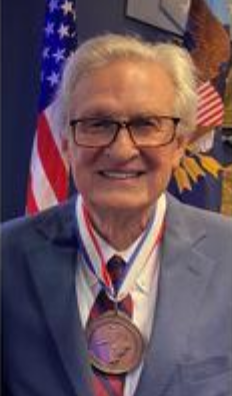
Scholar and Leader
Dr. Penk authored or co-authored more than 180 publications, including influential works such as Returning War’s Wounded and Treating PTSD Among Military Personnel. He served on editorial boards of leading journals and held leadership roles in APA divisions dedicated to clinical, public service, and military psychology. Beyond scholarship, he developed and promoted programs in case management, self-care, family psychoeducation, supported housing, employment, and peer support that have become staples of Veteran care.
Spirit of Hope
Dr. Penk’s work embodied the values of the Department of Defense Spirit of Hope Award—duty, honor, courage, integrity, and devotion. His ideas about employment as a central part of recovery directly shaped the Transition Assistance Program, helping the 200,000 Service members who separate each year find purpose and stability. He gave generously of his time and expertise, mentoring countless psychologists, many of whom now carry his work forward in VA hospitals, military installations, universities, and community practices around the country.
Honors and Recognition
The breadth of recognition Dr. Penk received reflects the depth of his impact. His honors included the APA Presidential Citation, Distinguished Career Awards from APA and the VA, the APF Gold Medal for Life Achievement in Practice of Psychology, and the Charles S. Gersoni Award for Military Psychology. In 2017, the Texas State Senate issued a resolution honoring his lifetime contributions. Yet despite these accolades, he remained humble, always more interested in advancing others’ work than in spotlighting his own.
Mentor, Colleague, Friend
For many, the loss of Dr. Penk is deeply personal. He was a generous mentor, offering not only professional guidance but also wisdom about compassion, resilience, and integrity. He had a rare ability to make others feel valued and capable, inspiring confidence in early-career psychologists and encouraging seasoned professionals to keep growing. His legacy lives not only in his published works and programs but in the lives of those he mentored and the countless Veterans who benefited from his vision.
A Lasting Legacy
Dr. Walter E. Penk’s life reminds us that the true measure of a career lies in the lives changed along the way. His work redefined how our nation treats psychological trauma and mental illness, and his belief in the healing power of employment and education continues to shape practice today. As we honor his memory, we are called to carry his legacy forward—innovating, advocating, and mentoring, just as he did. In doing so, we ensure that his vision of purposeful, compassionate care for veterans and service members lives on.
I’ll close with Walter’s favorite catch phrase that could be found at the end of every email he sent, “There is still more work to be done.”
The opinions in CDP Staff Perspective blogs are solely those of the author and do not necessarily reflect the opinion of the Uniformed Services University of the Health Science or the Department of War.
William Brim, Psy.D., is the executive director of the Center for Deployment Psychology (CDP) at the Uniformed Services University of the Health Sciences in Bethesda, Maryland. He joined CDP in 2007, initially as a deployment behavioral health psychologist at Malcolm Grow Medical Center and served as deputy director until 2017.
Staff Perspective: Who Can? We Can. Narcan! PART III: Medicine and Public Health
November 25, 2025
 By
By Not All Superheroes Wear Capes, Some Wear Lab Coats
Short and Long-Term Medicinal Treatment of Physical and Psychological Dependence
Parts I and II explored how opioids act on the brain and how American history — particularly its wars — helped fuel cycles of addiction. Now, we turn to the present. This final installment of “Who Can? We Can, Narcan!” focuses on the lifesaving tools that can interrupt that cycle, from medication-assisted treatment to emergency overdose reversal. In the military and veteran communities, where resilience is both a strength and a barrier to care, these interventions are transforming how we talk about and respond to overdose risk.
During the Vietnam-Era epidemic, researchers were searching for ways to counter opioids’ destructive effects (Payte, 1991). This research resulted in two distinct trajectories, each with different medications and goals. One path focused on helping people overcome opioid dependence, leading to the development of agonist substitution treatment—a long-term method for addressing addiction by substituting a more potent full agonist opioid with a less potent opioid (i.e., levomethadyl acetate, buprenorphine, and methadone; Johnson et al., 2000). It also resulted in the development of a long-acting opioid antagonist that blocks opioid receptors, preventing opioid agonists from plugging back in and reducing relapse risk (Naltrexone; Kirchmayer et al., 2002). Because of how it works, Naltrexone is only given to patients who do not have opioids in their system–typically individuals who are in early recovery or who have completed the detoxification process (Sullivan et al., 2007). While each of these medications has risks and benefits, they share one thing in common: they are all important tools in the fight for sustained recovery (Volkow et al., 2019).
Naloxone to The Rescue!
Emergency Intervention
So we have powerful, if underutilized, weapons to help in the long-term treatment of opioid use disorder. But how do we decrease opioid overdose deaths in people who may not yet be in recovery or who unwittingly ingest a high-potency opioid? In the event of an overdose, the use of methadone, buprenorphine, or naltrexone is not only unrealistic (given that the person overdosing is likely unconscious), but would be harmful if administered during an opioid overdose; thus is medically contraindicated under those circumstances (McIntyre et al., 2024; World Health Organization, 2009).
Naloxone, on the other hand, is a fast-acting opioid antagonist, which means that it quickly displaces the opioid agonists (pulls the plug), swiftly reversing their effects (McIntyre et al., 2024). Additionally, it blocks the receptor, preventing opioid agonists from plugging back in for a time (think of an outlet cover; McIntyre et al., 2024). It also works quickly (1-2 minutes, depending on the delivery method), reversing the effects of the opioid so that breathing is restored in time to save lives (McIntyre et al., 2024). Fast-acting means the benefits are almost immediate; unfortunately, it also means that it has a short half-life, meaning a second dose may be needed to sustain its effectiveness long enough for the opioid to clear the system (especially with fentanyl). The good news is that it’s safe to do so (McIntyre et al., 2024). And while it is relatively new on the public health/community harm reduction front, it’s been approved by the U.S. Food and Drug Administration (FDA) for more than half a century (McIntyre et al., 2024).
Developed in 1961 and approved in 1971 by the FDA, it was used almost exclusively in hospitals and ambulances to reverse opioid overdoses in surgery or emergency settings (Bennett & Elliot, 2021; McIntyre et al., 2024). Public awareness remained low until the 1990s, when community harm-reduction groups began pushing for broader access (Bennett & Elliot, 2021). In 1995, nalmefene, another opioid antagonist, gained FDA approval, one that is only slightly slower acting (5-15 minutes versus 1-2 minutes for naloxone) but lasts for 8-11 hours compared to ~80 minutes for naloxone (Edinoff et al., 2021). Nalmefene, like naloxone, was only available by prescription and had to be administered by injection, creating barriers to access for both life-saving drugs (Bennett & Elliot, 2021; Edinoff et al., 2021).
In the 2010s, once fentanyl hit the scene, public health authorities shifted course and began endorsing broader naloxone access (Bennett & Elliot, 2021). In 2015, the CDC finally officially recommended community naloxone distribution. In 2018, the FDA approved intranasal naloxone spray and auto-injector pens, and all 50 states allowed pharmacies to dispense naloxone without a prescription (Bennett & Elliot, 2021). Later, in 2023, the FDA approved intranasal naloxone for over-the-counter sale; a landmark win for public health and harm reduction efforts (FDA, 2023a). That same year, they approved intranasal nalmefene as a prescription, and the following year, the first nalmefene hydrochloride auto-injector to reverse opioid overdoses, also available by prescription (FDA, 2023b; FDA, 2024). As of 2025, naloxone sprays are available over the counter in most major pharmacies and online retailers, but the fight isn’t over. While over-the-counter availability may help increase access, cost becomes a barrier for the most at-risk (Gammon et al., 2025).
What’s Happening in the DoW and the VA?
Department of War (DoW) and Veterans’ Administration (VA) Initiatives
Given that by 2011, opioid overdose fatality rates for veterans being treated at VA hospitals were almost twice that of the civilian population, efforts were already underway to counteract the deadly impact of the epidemic (Bohnert et al., 2011). Beginning with pilot groups in 2013, the VA had launched the first national health-care system-based Opioid Overdose Education and Naloxone Distribution (OEND) program in the country (Oliva et al., 2017). This program led to the VA Rapid Naloxone Initiative (Oliva et al., 2017). Launched in 2018, the initiative provided OENDs to at-risk veterans and equipped VA police and Automated External Defibrillator cabinets with naloxone for emergency use (Oliva et al., 2021). The Uniformed Services University, in collaboration with the Defense Health Agency Research & Engineering Implementation Science Branch, implemented a similar OEND program for use in the Military Health System (MHS; Brendel, 2025; DoD, 2023). This included a clinical-decision support tool in MHS pharmacies to help flag patients at risk of overdose and prompt naloxone co-prescribing, leading to a 79.5% compliance rate for co-prescribing naloxone (Brendel, 2025; DoD, 2023).
We’re not done yet!
Challenges and Next Steps for the DoW and VA
Several notable challenges remain within DoW and VA. There is inconsistency in the doses prescribed, who prescribes them (pharmacists, physicians, etc.), and in what settings. Uncertainty about “whose job” it is to offer naloxone, and stigma preventing providers from talking with patients about overdose risks, add to these barriers (Sasson et al., 2023). There are also gaps in naloxone distribution regarding demographics and healthcare utilization (Oliva, Bustamante, & Zhu, 2024). Some programs do not have strong mechanisms to ensure patients who receive naloxone are also connected to treatment, overdose education, or further prevention services (Alexander et al., 2024; Knudsen et al., 2025). Within military and veteran systems, there are additional concerns about limited access to naloxone outside clinical settings—particularly in austere environments or among service members stationed in remote areas (DoD, 2023).
To maximize the benefits of this lifesaving intervention, we need to increase access, education, and normalization. Saturation of naloxone availability is an essential component in efforts to decrease opioid-related overdose deaths (Sugarman, Hulsey, & Heller, 2023). Both civilian and military efforts must focus on increasing access for people living in austere areas with limited medical and/or financial resources, as well as for high-risk populations (DoD, 2023). In healthcare settings, educating both clinical and non-clinical staff to normalize conversations about overdose prevention can increase readiness for overdose response and reduce stigma related to opioid use and overdose risk (Knudsen et al., 2025). Finally, greater efforts to connect individuals who have required naloxone to follow-up treatment can transform a life-threatening event in the short term into an opportunity for long-term recovery and stability (Knudsen et al., 2025).
Expanding naloxone access saves lives—but access alone isn’t enough. Providers must normalize conversations about overdose risk and ensure patients are linked to ongoing care. For military and veteran communities, this means aligning lifesaving medication access with consistent education, follow-up, and stigma reduction (Alexander et al., 2024; Oliva et al., 2024).
Expanding naloxone access saves lives, but access alone isn’t enough. Providers and leaders across the military and VA must normalize conversations about overdose risk, link patients to treatment, and reduce stigma at every level of care. The opioid epidemic may have deep historical roots, but its future — one built on education, compassion, and connection — is still ours to shape. Who can? We can, with Narcan.
The opinions in CDP Staff Perspective blogs are solely those of the author and do not necessarily reflect the opinion of the Uniformed Services University of the Health Science or the Department of War.
Adria Williams, Ph.D., is a Military Behavioral Health Psychologist at the Center for Deployment Psychology (CDP) with the Uniformed Services University of the Health Sciences. Dr. Williams is a suicide prevention subject matter expert and trainer.
Part III References
Alexander, M., Houck, K. K., Hooker, J., Stratton, M., & Huh, M. (2024). Assessment of a naloxone distribution plan in a veteran population who experienced an opioid-related overdose event. Journal of the American Pharmacists Association, 64(3), 101999. https://doi.org/10.1016/j.japh.2023.12.018
Bennett, A. S., & Elliott, L. (2021). Naloxone's role in the national opioid crisis-past struggles, current efforts, and future opportunities. Translational research: the journal of laboratory and clinical medicine, 234, 43–57. https://doi.org/10.1016/j.trsl.2021.03.001
Bohnert, A. S., Ilgen, M. A., Galea, S., McCarthy, J. F., & Blow, F. C. (2011). Accidental poisoning mortality among patients in the Department of Veterans Affairs Health System. Medical care, 49(4), 393–396. https://doi.org/10.1097/MLR.0b013e318202aa27
Brendel, H. (2025, February 21). A lifesaving chance: The USU and DHA OEND Program increases naloxone distribution. Uniformed Services University News. https://news.usuhs.edu/2025/02/a-lifesaving-chance-usu-and-dha-oend.html
Edinoff, A. N., Nix, C. A., Reed, T. D., Bozner, E. M., Alvarez, M. R., Fuller, M. C., Anwar, F., Cornett, E. M., Kaye, A. M., & Kaye, A. D. (2021). Pharmacologic and Clinical Considerations of Nalmefene, a Long Duration Opioid Antagonist, in Opioid Overdose. Psychiatry International, 2(4), 365-378. https://doi.org/10.3390/psychiatryint2040028
Gammon, D. G., Gaber, J., Saunders, M., & Zarkin, G. A. (2025). Estimates of first-year OTC naloxone sales in four U.S. states with high rates of opioid overdose deaths: KY, MA, NY, OH. Journal of substance use and addiction treatment, 178, 209762. https://doi.org/10.1016/j.josat.2025.209762
Johnson, R. E., Chutuape, M. A., Strain, E. C., Walsh, S. L., Stitzer, M. L., & Bigelow, G. E. (2000). A comparison of levomethadyl acetate, buprenorphine, and methadone for opioid dependence. The New England journal of medicine, 343(18), 1290–1297. https://doi.org/10.1056/NEJM200011023431802
Kirchmayer, U., Davoli, M., Verster, A.D., Amato, L., Ferri, A., and Perucci, C.A. (2002). A systematic review on the efficacy of naltrexone maintenance treatment in opioid dependence. Addiction, 97: 1241-1249. https://doi-org.usu01.idm.oclc.org/10.1046/j.1360-0443.2002.00217.x
Knudsen, H. K., Back-Haddix, S., Andrews-Higgins, S., Goetz, M., Davis, O. A., Oyler, D. R., Walsh, S. L., & Freeman, P. R. (2025). Organizational perspectives on the impacts of scaling up overdose education and naloxone distribution in Kentucky. Addiction Science & Clinical Practice, 20(1), 27. https://doi.org/10.1186/s13722-025-00553-2
McIntyre RS, Harris ME, Todtenkopf MS, Akerman S, and Burgett J (2024). Opioid antagonists: clinical utility, pharmacology, safety, and tolerability. CNS Spectrums 29(6), 542–548. https://doi.org/10.1017/S1092852924002189
Oliva, E. M., Bustamante, R., & Zhu, D. T. (2024). Identifying gaps in Veterans Health Administration (VHA) distribution of lifesaving naloxone. HSR&D Forum. https://www.hsrd.research.va.gov/publications/forum/spring24/default.cfm?ForumMenu=spring24-4
Oliva, E. M., Christopher, M. L., Wells, D., Bounthavong, M., Harvey, M., Himstreet, J., Emmendorfer, T., Valentino, M., Franchi, M., Goodman, F., & Trafton, J. A. (2017). Opioid overdose education and naloxone distribution: Development of the Veterans Health Administration’s national program. Journal of the American Pharmacists Association, 57(2), S168-S179.e4. https://doi.org/10.1016/j.japh.2017.01.022
Oliva, E. M., Richardson, J., Harvey, M. A., & Bellino, P. (2021). Saving Lives: The Veterans Health Administration (VHA) Rapid Naloxone Initiative. The Joint Commission Journal on Quality and Patient Safety, 47(8), 469-480. https://doi.org/10.1016/j.jcjq.2021.06.004
Payte J. T. (1991). A brief history of methadone in the treatment of opioid dependence: a personal perspective. Journal of psychoactive drugs, 23(2), 103–107. https://doi.org/10.1080/02791072.1991.10472226
Sasson, C., Dieujuste, N., Klocko, R., Basrai, Z., Celedon, M., Hsiao, J., Himstreet, J., Hoffman, J., Pfaff, C., Malmstrom, R., Smith, J., Holstein, A., & Johnson-Koenke, R. (2023). Barriers and facilitators to implementing medications for opioid use disorder and naloxone distribution in Veterans Affairs emergency departments. Academic Emergency Medicine, 30(4), 289-298. https://doi.org/10.1111/acem.14683
Sullivan, M. A., Garawi, F., Bisaga, A., Comer, S. D., Carpenter, K., Raby, W. N., Anen, S. J., Brooks, A. C., Jiang, H., Akerele, E., & Nunes, E. V. (2007). Management of relapse in naltrexone maintenance for heroin dependence. Drug and Alcohol Dependence, 91(2-3), 289–292. https://doi.org/10.1016/j.drugalcdep.2007.06.013
Sugarman OK, Hulsey EG, Heller D. Achieving the Potential of Naloxone Saturation by Measuring Distribution. JAMA Health Forum. 2023;4(10):e233338. https//doi.org/10.1001/jamahealthforum.2023.3338
U.S. Department of Defense, Defense Health Agency. (2023). Opioid overdose education and naloxone distribution (OEND) program. https://www.health.mil/Military-Health-Topics/Access-Cost-Quality-and-Safety/Pharmacy-Operations/OEND-Program
U.S. Food and Drug Administration (2023a, March 29). FDA approves first over-the-counter naloxone nasal spray. https://www.fda.gov/news-events/press-announcements/fda-approves-first-over-counter-naloxone-nasal-spray
U.S. Food and Drug Administration (2023b, May 23). FDA approves prescription nasal spray to reverse opioid overdose. https://www.fda.gov/news-events/press-announcements/fda-approves-prescription-nasal-spray-reverse-opioid-overdose
U.S. Food and Drug Administration. (2024, August 7). FDA approves first nalmefene hydrochloride auto-injector to reverse opioid overdose. https://www.fda.gov/news-events/press-announcements/fda-approves-first-nalmefene-hydrochloride-auto-injector-reverse-opioid-overdose
Volkow, N. D., Jones, E. B., Einstein, E. B., & Wargo, E. M. (2019). Prevention and Treatment of Opioid Misuse and Addiction: A Review. JAMA psychiatry, 76(2), 208–216. https://doi.org/10.1001/jamapsychiatry.2018.3126
World Health Organization. (2009). Guidelines for the psychosocially assisted pharmacological treatment of opioid dependence (Annex 12, Prescribing guidelines). World Health Organization. https://www.ncbi.nlm.nih.gov/books/NBK143167/