

Stories
Staff Perspective: Sleep Health Informed by Circadian Science
August 19, 2026
 By Sebastian Preilipper
When we talk about sleep, we often focus on the hours we do or do not get. But the true foundation of healthy sleep lies in a complex biological system: your circadian rhythm.
Your circadian rhythm is your body's internal clock, operating on a daily 24-hour cycle. This clock is responsible for governing a wide range of complex biological processes.
Some of these processes include:
- The release of hormones
- Appetite regulation
- Fluctuations in body temperature
- Natural sleep-wake cycles
Understanding how this clock works and learning how to keep it synchronized is one of the most effective ways to optimize your sleep, which can in turn support your physical and emotional well-being.
The Biology Behind the Internal Clock
To get the most out of your sleep, it helps to understand the biology driving it. Deep inside the brain's hypothalamus sits a small control center called the suprachiasmatic nucleus (SCN) (Vetter et al., 2022).
- The Cue for Melatonin Release: The SCN regulates the production of melatonin, the key hormone that signals your body when it is time to fall asleep and stay asleep.
- The Value of Light Exposure: The SCN is directly influenced by the light you receive throughout the day. Depending on when you are exposed to light, your ideal melatonin production can shift significantly, directly impacting your overall sleep quality.
Why Your Circadian Health Matters
Maintaining a synchronized circadian rhythm supports critical biological functions that dictate
how you feel and perform every day (Baron & Reid, 2014):
- Peak Functioning: Supports optimal physical and cognitive performance.
- Recovery: Facilitates physical recovery and healing.
- Mood: Plays an essential role in emotional regulation.
Whether you are navigating a standard routine at home or facing challenging, unpredictable environments (such as a military service member in barracks or on deployment), keeping your internal clock synchronized optimizes your body’s functioning. The key is consistency. Knowing the science is only the first step; building simple, daily habits ensures your clock stays aligned with the 24-hour cycle.
Actionable Tips for Optimizing Your Sleep
Optimizing your circadian health is simpler than you might think. By focusing on two critical periods of your day, the hours before bedtime and the minutes after waking up, you can drastically improve your sleep quality (Ballesio et al., 2021).
1. Your Wind-Down Routine (Before Bedtime)
The hours leading up to your sleep are crucial for cueing melatonin production.
- Reduce Blue Light Exposure: Blue light tricks your brain into thinking it is daytime. Avoid blue-light-emitting devices (cell phones, laptops, televisions, and bright nightlights) before bed. If you must use screens, apply blue light filters in your device settings or wear blue-light-blocking eyewear.
- Optimize Your Sleep Environment:
○ Reserve your bed strictly for sleep. Avoid studying, working, or eating in bed.
○ Emulate a dark cave by installing blackout curtains or using an eye mask.
○ Block noise disruptions using earplugs or a white noise machine.
- Establish a Consistent Bedtime: Going to bed at the same time every night anchors your circadian rhythm, making it easier to fall asleep naturally.
2. Your Morning Routine (After Waking Up)
Great sleep hygiene actually begins the moment you open your eyes!
- Seek Out the Sun: Getting a strong dose of light first thing in the morning signals your SCN that the day has begun. Going outside for natural sunlight is ideal. If the weather doesn't permit, a specialized light lamp is an excellent alternative.
- Establish a Consistent Wake Time: Just like your bedtime, waking up at the exact same time every day is crucial to keeping your internal clock anchored.
Sleeping Under Challenging Conditions (Military & Barracks)
Managing your sleep quality is highly dependent on your environment. For example, military service members living in barracks or on deployment often face numerous sleep disruptors, including unregulated room temperatures, shift work, unpredictable light exposure, loud noises, and sudden disturbances.
If you find yourself in a challenging sleep environment, researchers (Good et al., 2020; Ballesio et al., 2021) suggest evidence-based, tactical adjustments to protect your circadian health,
including:
- Wearing an eye mask to block out sudden or unpredictable light.
- Using earplugs or a white noise machine to minimize the impact of excess sounds and disturbances.
- Avoiding blue light devices entirely before bed to maximize natural melatonin production.
- Prioritizing consistency by keeping your bedtimes and wake times as steady as possible, even amidst varying schedules.
Takeaways
Investing in your circadian health through small, consistent habit changes is a fundamental investment in your overall well-being. If you consistently apply these habits and still do not see a significant improvement in your sleep quality, consider seeking professional guidance and care. Pursuing a clinical sleep study may help determine if there are underlying medical or physiological issues affecting your sleep.
The opinions in CDP Staff Perspective blogs are solely those of the author and do not necessarily reflect the opinion of the Uniformed Services University of the Health Science or the Department of War.
Citations:
Vetter, C., Pattison, P. M., Houser, K., Herf, M., Phillips, A. J. K., Wright, K. P., … Glickman,
G. (2022). A review of human physiological responses to light: Implications for the development
of integrative lighting solutions. LEUKOS, 18(3), 387–414.
https://doi.org/10.1080/15502724.2021.1872383
Ballesio, A., Lombardo, C., Lucidi, F., & Violani, C. (2021). Caring for the carers: Advice for
dealing with sleep problems of hospital staff during the COVID-19 outbreak. Journal of Sleep
Research, 30(1), e13096. https://doi.org/10.1111/jsr.13096
Baron, K. G., & Reid, K. J. (2014). Circadian misalignment and health. International Review of
Psychiatry, 26(2), 139–154. https://doi.org/10.3109/09540261.2014.911149
Good, C. H., Brager, A. J., Capaldi, V. F., & Mysliwiec, V. (2020). Sleep in the United States
military. Neuropsychopharmacology, 45(1), 176–191. https://doi.org/10.1038/s41386-019-0431-7
By the Numbers: 17 August 2026
August 17, 2026
4.8 million
The number of veterans who have used psilocybin, LSD, or MDMA in their lifetime, according to a RAND Corporation report -- U.S. Veterans and Psychedelics: Prevalence of Use and Policy Preferences.
- Nearly one in four veterans supported the legal use of psilocybin mushrooms. The rates for LSD and MDMA were 11 percent and 9 percent, respectively.
- Veterans’ support for the legal use of psilocybin mushrooms, LSD, and MDMA was generally similar to nonveterans’ support. However, veterans were slightly more likely to support the legal use of psilocybin mushrooms and LSD than nonveterans of a similar age, gender, race, and ethnicity.
- Veterans were slightly more likely to have used LSD in their lifetime than nonveterans.
- Less than 1 percent of veterans had used ibogaine or iboga in their lifetime. About 5 percent of veterans who had never used ibogaine or iboga were willing to try it.
- Nearly half of veterans were unsure whether a veteran would risk losing VA benefits if they spoke to their VA doctors about the use of psilocybin mushrooms (48 percent) or MDMA (46 percent).
- About half of veterans supported VA providing or paying for psilocybin-assisted therapy (54 percent) or MDMA-assisted therapy (45 percent) if approved by the U.S. Food and Drug Administration.
Staff Perspective: Learning to Put Down Roots
August 12, 2026
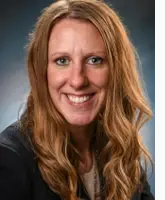 By Allison Hannah, MSW, LCSW
For more than 20 years, my life has been defined by change.
As a service member, I transitioned from the Reserves to active duty and back again. I went
from serving as an enlisted soldier to commissioning as an officer. I readjusted to life in the
United States after both a 12-month combat deployment and later a two-year assignment in
South Korea, not to mention the endless moves for new assignments and training. Eventually, I
hung up my uniform and transitioned into veteran status.
But my experience with military transitions did not end when my own service did.
I went from being the service member to supporting one. Our family moved from duty station to
duty station as we PCS’d around the country. I moved from job to job, repeatedly searching for
meaningful employment wherever the military sent us. Along the way, I helped our children
adjust to new homes, schools, communities, friendships, and routines.
Sometimes, it feels like the only constant throughout the past two decades has been knowing that
another change was coming in one form or another.
At the end of 2025, my husband retired from the military, and our family made what we believed
would be our final transition. We moved into our forever home, settled into a community, and
enrolled our children in what we hoped would be their last new school district.
There was a great deal of excitement at first. We had anticipated this chapter for years. We
imagined the relief of no longer planning our lives around orders, report dates, school transfers,
and temporary homes.
But after years of becoming skilled at leaving, we’ve suddenly had to learn how to stay.
The quiet that was supposed to feel like relief suddenly felt unnerving. Without another
assignment on the horizon, quiet questions started to creep in:
- Will we be content here?
- What does it mean to build a life when no one else is determining where we go next?
- How do we create a sense of permanence after years of knowing that every home, job,
school, and community might be temporary?
This experience has also reminded me that the “final” move is not one transition shared equally
by the entire family. The retiring service member, spouse, and children may each experience it
differently. One person may feel relieved while another feels restless. One may be ready to put
down roots while another is grieving the loss of military life, familiar resources, friendships, or a
community that understood their experience.
There is still a great deal for us to discover in the years ahead. For now, though, I want to share
five reminders that have helped me through the first part of learning how to stay.
1. Give yourself a full year before deciding how settled you feel.
You do not have to feel completely settled after the moving truck leaves or even after the first
few months.
Retirement, separation, and relocation involve much more than changing an address. You may
also be adjusting your routines, relationships, finances, identity, expectations, and sense of
purpose. Even familiar tasks may feel different when they are no longer connected to an
installation, unit, or military community.
Give yourself permission to live through all four seasons before deciding if this place is right for
you.
A year allows time for the initial excitement to fade, new routines to develop, relationships to
grow, and the reality of the transition to become clearer. It also gives everyone in the family time
to adjust at their own pace.
2. You do not have to unpack your new life all at once.
This applies to both the boxes in your home and the emotions you carried with you.
There is no prize for having every room decorated within the first week. Take your time deciding
how you want your new home (and your new life) to feel.
After years of setting up temporary spaces, it may take time to believe that you are finally
allowed to settle in. You may also find that making a house feel permanent brings up more
emotions than expected. Some boxes may contain reminders of past duty stations, friendships,
deployments, accomplishments, losses, and earlier versions of your family.
There is no rush. Unpack what you are ready for, both physically and emotionally.
3. Do not let the word “forever” become a source of pressure.
Military families often place enormous pressure on the final move.
This is supposed to be the forever home, the forever community, the last school district, and the
place where everything finally falls into place. After years of uncertainty, it is understandable to
want the next decision to feel permanent.
But “forever” can also feel intimidating.
Choosing a destination today doesn't trap you into a cage tomorrow. You can give your new
home and community an honest chance without treating every decision as irreversible.
Being open to future change does not mean you are failing to settle down. It simply means you
are allowing yourself the same flexibility that helped you navigate every transition that came
before this one.
4. Expect everyone to experience the transition differently.
Even if your family has moved many times before, this move may bring up entirely new
emotions.
The retiring service member may be adjusting to the loss of rank, structure, responsibility,
identity, and a built-in professional community. The spouse may feel excited about new
possibilities while also recognizing how much of their own life has been shaped by the military.
Children may welcome the stability of remaining in one school while grieving friendships,
traditions, and the sense of belonging that came with being part of a military community.
One person may feel relieved while another feels restless. Someone may feel excited one day and
deeply uncertain the next.
There is no single correct way to feel about a major transition.
Make room for everyone’s experience, including your own. Talk openly, check in with one
another, and resist the urge to assume that the family member who appears to be adjusting well is
not carrying something beneath the surface.
5. Build a new support system before you urgently need one.
Military families are often surrounded by built-in networks, even when we do not fully recognize
them at the time. There may be installation resources, military treatment facilities, family
readiness programs, unit contacts, spouse groups, schools familiar with military children, and
neighbors who understand the realities of military life.
After retirement or separation, those supports may no longer be nearby.
That can make it especially important to intentionally build a new network. Reach out to friends,
family members, Veterans, military spouses, neighbors, community organizations, and others
who have already navigated the process.
Sometimes their support will come through a meaningful conversation. Other times, it may be
something practical, such as reminding you to enroll in new health coverage, transfer medical
records, update important documents, or locate services in your community.
Professional mental health support may also be an important part of that network.
Major transitions can bring up grief, anxiety, relationship stress, changes in identity, loneliness,
or emotions that were difficult to anticipate. Seeking counseling does not mean you are handling
the transition poorly. It may simply mean that you recognize the significance of what you and
your family are experiencing.
Finding professional support can feel more difficult when you are no longer surrounded by
military resources or living near a local installation. However, military-culturally aware care may
still be available in your community.
Wherever you have landed, you can visit the Star Behavioral Health Providers Directory at
starproviders.org to search for a mental health professional who is trained in military culture and
the experiences of service members, veterans, and military families.
You do not have to wait until the transition becomes overwhelming before reaching out.
Learning to Stay
Perhaps the greatest lesson I have learned is that settling down is still a transition.
It deserves the same patience, flexibility, support, and grace as every deployment, homecoming,
PCS, career change, school transfer, and military milestone that came before it.
For years, we mastered the art of leaving well. We learned to pack up a life in boxes, adapt on the
fly, rebuild routines, and bloom wherever we were planted.
This next chapter may be about learning something entirely different.
It may be about learning how to stay.
The opinions in CDP Staff Perspective blogs are solely those of the author and do not necessarily reflect the opinion of the Uniformed Services University of the Health Science or the Department of War.
Allison Hannah, MSW, LCSW, is a Military Behavioral Health Social Worker for the Consortium for Defense Psychology (CDP) at the Uniformed Services University of the Health Sciences in Bethesda, Maryland. She assists in the implementation and expansion of Star Behavioral Health Providers (SBHP). SBHP trains civilian behavioral health providers to work with service members, veterans, and their families. The mission is to expand the availability of high-quality behavioral health services, especially for those in the reserve components.
By the Numbers: 10 August 2026
August 11, 2026
1/5
The proportion of "US adolescents and young adults aged 12 to 21" who "used artificial intelligence (AI) chatbots for mental health advice," according to a study published in JAMA Pediatrics -- AI Chatbot Use and Disclosure for Mental Health Among US Adolescents and Young Adults.
This national survey including more than 42 million US youth (population-weighted) found that almost a fifth of adolescents and young adults reported using AI chatbots for mental health advice, representing an increase by almost half from 1 year prior. Most users told no one that they used AI chatbots for this purpose.
Staff Perspective: Mental Health Implications of the Remotely Piloted Aircraft (RPA) Career Field
August 5, 2026
By Mitch Duque
Remote-piloted drone technology has quickly become one of the most prominent staples in the modern landscape of large-scale combat operations. Given the prominence of this technology to current and future warfighters, members of the Research Special Interest Group (SIG) at the Consortium for Defense Psychology (CDP) decided to focus its monthly journal club on the mental health implications of drone warfare for remotely piloted aircraft (RPA) personnel. The article selected for review was a narrative review titled "Remote Warfare with Intimate Consequences: Psychological Stress in Service Member and Veteran Remotely-Piloted Aircraft (RPA) Personnel" by Norrholm and colleagues (2023). SIG members read the article and discussed the possible mental health implications of drone warfare for RPA crew members using this technology in their day-to-day lives.
The RPA career field has a variety of unique qualities that can potentially lead to adverse psychological effects. One of the most notable is the cognitive dissonance crew members can experience as a result of their geographical distance from their targets when conducting military operations. Despite being physically distant from their area of operation, RPA crew members experience disproportionate levels of intimacy with their targets based on the immersive nature of their weapon systems. This juxtaposition of physical distance and emotional proximity can lead warfighters serving in RPA crews to experience emotional turmoil regarding their role in conflict, particularly when executing lethal strikes on individuals that they’ve formed a remote bond with through days, months, or even years of surveillance. There can also be ‘psychological whiplash’ that occurs, with operations moving quickly from surveillance activities to kinetic action to after action-assessment, all in the span of minutes. This rapid shift is one of the central psychological challenges of RPA work.
Another dynamic worth noting in this population is the domestic nature of their work. Individuals working on RPA crews frequently execute their missions in garrison, meaning that they work in shifts and maintain personal lives when not on duty. This makes it uniquely possible for RPA crew members to play pivotal roles in potentially lethal operations akin to “mini-deployments,” mere hours before driving home from work to participate in their personal, family, and social lives. Per the article, it can be beneficial for conventionally deployed service members to have a period of decompression prior to returning home following combat operations. However, crews are not likely given adequate opportunities to decompress following this harrowing work. In other words, RPA personnel may be required to transition almost immediately from combat-related activities back to their everyday lives.
Additionally, the article identifies stigma surrounding RPA crews in the military, with crew members frequently viewed as “less than” or “inferior” for being assigned to remote aircraft instead of serving in a manned fighter or bomber aircraft. Coupled with long hours and shift work schedules that disrupt natural sleeping patterns, service members operating RPA are at a disproportionately high risk for adverse mental health outcomes and can experience symptoms of post-traumatic stress disorder and moral injury.
After learning about RPA crews and the unique challenges associated with their career field, the CDP research team discussed several important considerations for working with this population. The team was particularly interested in understanding the emotional dynamics within RPA units, especially those related to moral injury. Of particular interest was how traditional concepts of honor and military service may be difficult to reconcile for personnel who conduct remote warfare. Discussions surrounding responsibility for the deaths of enemy combatants were especially noteworthy, as many RPA crew members frequently report feeling guilt or shame for the way in which they conduct military operations, per the article.
The team discussed a handful of clinical considerations when treating these individuals. A clinical member of the team raised the possibility that psychotherapy could focus largely on stigma reduction and validation, given the isolating and invalidating nature of the environment surrounding this career field. The team also raised that cognitive-focused, evidence-based psychotherapy for PTSD, such as Cognitive Processing Therapy, may be effective in addressing experiences of guilt. Clinicians can assess and treat standard PTSD symptoms, but may also consider working with the client to target interventions toward acceptance and understanding given possible experiences of guilt, shame, stigma, and moral conflict unique to RPA service.
The unique operational environment of RPA personnel presents significant psychological challenges, characterized by a difficult juxtaposition of physical distance and emotional intimacy, compounded by the domestic setting of their work, irregular schedules, and persistent stigma. Future clinical approaches can address the prevalence of traumatic stress, moral injury, guilt, and shame in this population by prioritizing stigma reduction and employing therapies that aim to address guilt while promoting acceptance and self-understanding.
Ultimately, remote warfare may be physically distant, but it is not necessarily psychologically distant. RPA personnel may benefit from clinical approaches that recognize both the traumatic and moral dimensions of their work.
The opinions in CDP Staff Perspective blogs are solely those of the author and do not necessarily reflect the opinion of the Uniformed Services University of the Health Science or the Department of War.
Mitch Duque is a previous Research Assistant and HJF employee collaborating with the Consortium for Deployment Psychology, DoW and Uniformed Service Contractor
By the Numbers: 3 August 2026
August 3, 2026
12.9%
The percentage "of adults age 18 and older used sleep aids most days or every day in the past 30 days to help them fall or stay asleep," according to a statistical brief published by the National Center for Health Statistics -- Use of Sleep Aids Among Adults Age 18 and Older: United States, 2024.
Women were more likely than men to use any sleep aids (14.8% compared with 10.8%), prescription medications (6.4% compared with 3.9%), or OTC medications or supplements (7.0% compared with 4.3%) most days or every day in the past 30 days to help them fall or stay asleep (Table). No significant difference was seen between the percentage of men and women who used marijuana or CBD products as sleep aids.
The percentage of adults using any sleep aids most days or every day in the past 30 days increased with age, from 10.5% of adults ages 18–34 to 15.8% of adults 65 and older (Table). Use of prescription medications to help fall or stay asleep increased with age (from 2.2% for adults ages 18–34 to 8.8% for adults 65 and older) as did the use of OTC medications or supplements (from 3.9% for adults ages 18–34 to 7.6% for adults 65 and older). However, the percentage of adults using marijuana or CBD products as sleep aids declined with age (from 5.5% of adults ages 18–34 to 1.7% of adults 65 and older).
Staff Perspective: Restless Nights - Leveraging CBT-I to Support Comorbid Mental Health Conditions in Military Populations with Insomnia
July 29, 2026
 By Kristian Krslovic
Most people have experienced a poor night's sleep at some point in their lives, but experiences of insomnia go beyond the occasional restless night. It involves frequently waking up, having trouble falling back asleep, and feeling unrested after a night’s sleep, which in turn can leave a person feeling tired, fatigued, and irritable during the day.
While insomnia affects millions of people, it is especially common among veterans and active-duty service members, with as many as a quarter of service members and veterans reporting insomnia symptoms 1. Military-specific factors, including frequent deployments, irregular sleep schedules, and prolonged exposure to high-stress situations, can make healthy sleep difficult to maintain 1.
The most supported frontline treatment for insomnia is Cognitive Behavioral Therapy for Insomnia (CBT-I).2 CBT-I restores healthy sleep by shaping unhelpful thoughts surrounding sleeplessness, coupled with behavioral interventions such as stimulus control (e.g., reassociating one’s bed with sleep) to collectively improve sleep efficiency. 3 For many service members and veterans, however, insomnia does not occur on its own: it often overlaps with conditions like post-traumatic stress disorder (PTSD), depression, anxiety or nightmares. 2 Living with multiple conditions at once can be challenging for service members or veterans as they might not have the time, resources, or support to pursue separate treatments for each disorder. This raises an important question: Could CBT-I support symptoms of these co-morbid conditions in addition to improving insomnia symptoms?
A growing body of research does suggest that CBT-I may help common psychological comorbidities. In one study of veterans experiencing both insomnia and PTSD, participants who received a CBT-I intervention showed improvements in PTSD symptoms, with effect sizes ranging from medium to large. 4 The same study found that nightmare frequency decreased in participants who received a sleep-focused intervention. In another study with veterans deployed during Operation Enduring Freedom and Operation Iraqi Freedom, participants who received CBT-I treatment had reduced PTSD symptom severity compared to veteran participants who did
not receive CBT-I. 5 Lastly, CBT-I also showed significant improvements in depression and anxiety scores in a sample of U.S. Army Soldiers diagnosed with insomnia. 6
Taken together, this research suggests that CBT-I may offer benefits beyond improving sleep. It is not a replacement for treatments for PTSD, depression, or anxiety, but it may be a helpful place to start, particularly for veterans who are managing several concerns at once. Learning CBT-I skills could also give service members practical tools to use throughout their careers and after leaving the military.
Leveraging technology to increase access to CBT-I
As mentioned earlier, interventions like CBT-I can be difficult for individuals to access. Modern technology can help increase access to and engagement in insomnia-focused care. Right now there are sleep apps that create a tailored user experience by tracking sleep habits and designing customized sleep plans aimed at improving sleep and combating insomnia symptoms, such as Insomnia Coach. 7 Although Insomnia Coach is not meant to replace professional care, it is one example of how an app can provide service members and veterans with important tools, such as psychoeducation and self-care strategies, as a first step towards addressing insomnia.
Additionally, researchers at CDP led by Dr. Tim Rogers, and collaborating institutions nationwide are evaluating the effectiveness of Insomnia Coach with brief check-ins versus group CBT-I, delivered by either clinicians or behavioral health technicians, on insomnia symptoms, alongside secondary outcomes of depression, anxiety, and PTSD. By bridging the gap between innovative technology and evidence-based sleep care, service members can be equipped with tools and support to restore their sleep, build resilience, and strengthen overall mission readiness.
The opinions in CDP Staff Perspective blogs are solely those of the author and do not necessarily reflect the opinion of the Uniformed Services University of the Health Science or the Department of War.
Kristian Krslovic joined the Consortium for Defense Psychology (CDP) as a Research Assistant in October 2025. He received a Bachelor of Arts degree in Psychology from Bard College in 2023. At Bard, Kristian was an undergraduate research assistant in the Affective Science Lab identifying factors that contribute to mood disorders.
References:
1. Hughes, J. M., Ulmer, C. S., Gierisch, J. M., Nicole Hastings, S., & Howard, M. O.
(2018a). Insomnia in United States military veterans: An integrated theoretical model.
Clinical Psychology Review, 59, 118-125. https://doi.org/10.1016/j.cpr.2017.11.005
2. Bramoweth, A. D., & Germain, A. (2013). Deployment-related insomnia in military
personnel and Veterans. Current Psychiatry Reports, 15(10).
https://doi.org/10.1007/s11920-013-0401-4
3. Walker, J., Muench, A., Perlis, M. L., & Vargas, I. (2022). Cognitive behavioral therapy
for insomnia (CBT-I): A Primer. Clinical Psychology and Special Education, 11(2),
123–137. https://doi.org/10.17759/cpse.2022110208
4. Ulmer, C. S., Edinger, J. D., & Calhoun, P. S. (2011). A multi-component
cognitive-behavioral intervention for Sleep disturbance in veterans with PTSD: A pilot
study. Journal of Clinical Sleep Medicine, 7(1), 57–68.
https://doi.org/10.5664/jcsm.28042
5. Margolies, S. O., Rybarczyk, B., Vrana, S. R., Leszczyszyn, D. J., & Lynch, J. (2013).
Efficacy of a cognitive‐behavioral treatment for insomnia and nightmares in Afghanistan
and Iraq veterans with PTSD. Journal of Clinical Psychology, 69(10), 1026–1042.
https://doi.org/10.1002/jclp.21970
6. Taylor, D. J., Peterson, A. L., Pruiksma, K. E., Hale, W. J., Young-McCaughan, S.,
Wilkerson, A., Nicholson, K., Litz, B. T., Dondanville, K. A., Roache, J. D., Borah, E. V.,
Brundige, A., & Mintz, J. (2018). Impact of cognitive behavioral therapy for insomnia
disorder on sleep and comorbid symptoms in military personnel: A randomized clinical
trial. Sleep, 41(6). https://doi.org/10.1093/sleep/zsy069
7. Insomnia coach - PTSD: National Center for PTSD. (n.d.).
https://www.ptsd.va.gov/appvid/mobile/insomnia_coach.asp
By the Numbers: 27 July 2026
July 27, 2026
9.4 million
The number of beneficiaries under the care of the Department of Defense (DOD) military health system, according to a report from the Government Accountability Office (GAO) -- National Security Snapshot: DOD's Military Health System Reforms and Challenges
This care is delivered through over 700 medical facilities with more than 100,000 military, civilian, and contractor employees, and a vast network of private sector health care providers. DOD estimates that it will spend over $72.5 billion for the military health system in fiscal year 2027.
Research Update: 23 July 2026
July 23, 2026
 The weekly Research Update contains the latest news, journal articles, and useful links from around the web. Some of this week's topics include:
● Group-Based Suicide Safety Planning and Skills Training for Veterans With High Suicide Risk: A Randomized Clinical Trial.
● An Exploratory Assessment of Service Dog Training for the Treatment of Military Members with Posttraumatic Stress: A Pre-post Interventional Trial.
● Cognitive Decline and Household Firearm Storage Among Older Adults.
● Association between state-level kratom regulations and poison center-reported severe medical outcomes and healthcare use: A United States national analysis.
● Changes in Dietary Supplement Use Among Children and Adolescents in the United States, 2015–2016 to 2021–2023.
CLICK HERE TO READ THE 23 JULY 2026 RESEARCH UPDATE
Staff Perspective: A Strengths-based Lens of Depression, Trauma, and Suicide
July 22, 2026
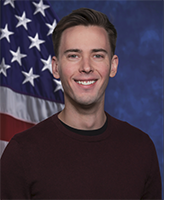 By Dr. Andrew Devendorf
If we each had a choice, none of us would choose to develop a mental health difficulty. None of us would choose to feel the devastation of depression, the tribulations of trauma, or the suffering of being so hopeless, trapped, and alone that we want to end our own lives. We label these experiences as difficulties for good reason.
The thing is—it’s not a choice to endure these challenges. Most people in their lifetimes will experience a mental health difficulty. For some, these experiences can be easily managed; for others, they can dramatically alter their lives. Zooming out, almost everyone knows, or will know, a loved one affected by a mental health condition. Although these experiences are normal, many people with lived experience of depression, posttraumatic stress disorder (PTSD), and suicidal thoughts continue to feel immense stigma.
I have seen this stigma play out in my clinical work, my research, and my own life. As a former psychologist at the Department of Veteran Affairs, I worked with many Veterans who expressed shame about seeking therapy. I’d hear things like, “My PTSD has made me a shell of my former self,” and, “I’m weak...I can’t believe I need to seek help.” Even after a person improves or recovers, they may feel reluctant to share their experience for fears of being negatively judged or mischaracterized. These fears are not without foundation. Research shows that acceptance of mental health treatment has improved over the years, yet the public continues to have negative attitudes about mental illness. Some members of the public still see depression as “laziness,” PTSD as “dangerousness,” or suicidal thoughts as a “weakness.”
What perpetuates this stigma? And how can we reduce it?
The Deficits-view
There are many drivers of stigma. In this post, I want to focus on a systemic factor: that our American society takes a predominantly deficits-view of mental health difficulties—we see them only as something wrong with the person. This deficits-view, in my perspective, stems from how we define mental illness.
In the United States, we use the Diagnostic and Statistical Manual (DSM) of Mental Disorders to diagnosis mental health conditions. There is much utility of the DSM. It was developed to establish a consensus for diagnoses and help patients receive insurance reimbursement via diagnostic codes. It has thus helped legitimize psychopathology that may otherwise be considered “invisible” or “just in someone’s head.” It does this through giving clinicians a common language to identify and treat patterns of mental, behavioral, and emotional “symptoms.”
But an unintended design flaw of the DSM is that it takes a purely deficits-view of mental health experiences. In other words, the DSM is designed to characterize disorders without consideration of the potential value in specific mental health experiences. For instance, although sadness can be a sign that something is wrong in someone’s life (as a way to motivate making a change), the DSM does not—and was not designed to—list the potential value in this emotional experience.
This deficits-view is likely a big reason why clinicians, patients, and the public at-large will, by default, have only negative associations with depression, PTSD, and other diagnoses. Diagnostic labels have helped patients receive compassion, yes. But also, these labels carry the weight of being primarily defined by dysfunction, impairment, and distress. Thus, it makes sense why there is public acceptance about the treatment of mental illness but continued stigma toward people with lived experience.
A Strengths-based View
While we do not need to dismantle the DSM, I believe we can reduce stigma by being open- minded to the strengths, value, and assets that accompany mental health difficulties. I want to be clear—we should not discount the distress that comes with psychopathology. But, among people with these experiences, we can extract the “silver linings” of the experience to improve coping and self-acceptance.
There is a quote by Dr. Victor Frankl, a psychiatrist who documented his experiences in a concentration camp, that comes to mind. In his memoir, A Man’s Search for Meaning, Frankl advocates that we seek to find meaning in our suffering:
“We must never forget that we may also find meaning in life even when confronted with a hopeless situation, when facing a fate that cannot be changed. For what then matters is to bear witness to the uniquely human potential at its best, which is to transform a personal tragedy into triumph, to turn one's predicament into a human achievement.” (Frankl, 1985, p. 112).
Here, Frankl is presenting a strengths-based view of tragedy, which we can apply to mental health difficulties. In my own practice, I’ve heard many patients reflect on how their depression, PTSD, or suicidal thoughts have helped them grow.
I list some strengths-based themes below and give an example.
- Leveraging emotions as a signal: “My depression helps me determine if something is going wrong in my life.”
- Self-awareness and insight: “Battling suicidal thoughts, it’s made me grapple with what’s really important, and how I want to spend my time.”
- Compassion for others: “My trauma has given me perspective about what it’s like to go through hell.”
- Resilience and self-confidence: “Overcoming my dark times taught me that I can overcome just about anything.”
- Meaning and purpose: “Having gone through this, my new mission is to get other people the help they need.”
Enhancing Clinical Practice
As clinicians, we can embed this strengths-based view into our practice to help reduce feelings of shame, brokenness, and worthlessness. Of course, we should not enforce a strengths-based view onto our patients. But, we can help clients explore the potential value and meaning from their suffering with focused reflections and open-ended questions.
Here are some reflections.
- Depression: “You’ve been through a lot, and it shows your resilience.”
- PTSD: “From what I’m hearing, your trauma has given you new perspective.”
- Suicide attempt: “You know what extreme pain feels like, and it’s given you compassion for others.”
And here are some questions.
- “I recognize you’ve been through a lot. And, I’m wondering, what have you learned from your experience?”
- “How has your experience made you grow?”
- “Has going through your depression changed your perspective on anything? If so, how?”
By adopting a strengths-based view of lived experience, I believe we are better positioned to empower our clients and reduce stigma.
The opinions in CDP Staff Perspective blogs are solely those of the author and do not necessarily reflect the opinion of the Uniformed Services University of the Health Science or the Department of War.
Andrew Devendorf, Ph.D., is a Military Behavioral Health Psychologist with the Henry M. Jackson Foundation for the Advancement of Military Medicine. He serves as a subject matter expert in suicide prevention for the VA SAFEGUARD project.
References
American Psychiatric Association. (2022). Diagnostic and statistical manual of mental disorders, Text Revision (DSM-5-TRTM). American Psychiatric Pub.
Devendorf, A. R. (2022). Is “me-search” a kiss of death in mental health research?. Psychological Services, 19(1), 49..
Frankl, V. E. (1985). Man's search for meaning. Simon and Schuster. Gruber, J., Lyman, C., Plaisance, C., & Rottenberg, J. (2026). Silver linings in psychological disorders: an agenda for research and social change. Current Directions in Psychological Science, 35(1), 49-55..
McGrath, J. J., Al-Hamzawi, A., Alonso, J., Altwaijri, Y., Andrade, L. H., Bromet, E. J., ... & Zaslavsky, A. M. (2023). Age of onset and cumulative risk of mental disorders: a cross-national analysis of population surveys from 29 countries. The Lancet Psychiatry, 10(9), 668-681..
Rüsch, N., Angermeyer, M. C., & Corrigan, P. W. (2005). Mental illness stigma: Concepts, consequences, and initiatives to reduce stigma. European Psychiatry, 20(8), 529-539..
Schomerus, G., Schindler, S., Sander, C., Baumann, E., & Angermeyer, M. C. (2022). Changes in mental illness stigma over 30 years–Improvement, persistence, or deterioration?. European Psychiatry, 65(1), e78..
Schroder, H. S., Devendorf, A., & Zikmund-Fisher, B. J. (2023). Framing depression as a functional signal, not a disease: rationale and initial randomized controlled trial. Social Science & Medicine, 328, 115995.