

Stories
Research Update: 23 July 2026
July 23, 2026
 The weekly Research Update contains the latest news, journal articles, and useful links from around the web. Some of this week's topics include:
● Group-Based Suicide Safety Planning and Skills Training for Veterans With High Suicide Risk: A Randomized Clinical Trial.
● An Exploratory Assessment of Service Dog Training for the Treatment of Military Members with Posttraumatic Stress: A Pre-post Interventional Trial.
● Cognitive Decline and Household Firearm Storage Among Older Adults.
● Association between state-level kratom regulations and poison center-reported severe medical outcomes and healthcare use: A United States national analysis.
● Changes in Dietary Supplement Use Among Children and Adolescents in the United States, 2015–2016 to 2021–2023.
CLICK HERE TO READ THE 23 JULY 2026 RESEARCH UPDATE
Staff Perspective: A Strengths-based Lens of Depression, Trauma, and Suicide
July 22, 2026
 By Dr. Andrew Devendorf
If we each had a choice, none of us would choose to develop a mental health difficulty. None of us would choose to feel the devastation of depression, the tribulations of trauma, or the suffering of being so hopeless, trapped, and alone that we want to end our own lives. We label these experiences as difficulties for good reason.
The thing is—it’s not a choice to endure these challenges. Most people in their lifetimes will experience a mental health difficulty. For some, these experiences can be easily managed; for others, they can dramatically alter their lives. Zooming out, almost everyone knows, or will know, a loved one affected by a mental health condition. Although these experiences are normal, many people with lived experience of depression, posttraumatic stress disorder (PTSD), and suicidal thoughts continue to feel immense stigma.
I have seen this stigma play out in my clinical work, my research, and my own life. As a former psychologist at the Department of Veteran Affairs, I worked with many Veterans who expressed shame about seeking therapy. I’d hear things like, “My PTSD has made me a shell of my former self,” and, “I’m weak...I can’t believe I need to seek help.” Even after a person improves or recovers, they may feel reluctant to share their experience for fears of being negatively judged or mischaracterized. These fears are not without foundation. Research shows that acceptance of mental health treatment has improved over the years, yet the public continues to have negative attitudes about mental illness. Some members of the public still see depression as “laziness,” PTSD as “dangerousness,” or suicidal thoughts as a “weakness.”
What perpetuates this stigma? And how can we reduce it?
The Deficits-view
There are many drivers of stigma. In this post, I want to focus on a systemic factor: that our American society takes a predominantly deficits-view of mental health difficulties—we see them only as something wrong with the person. This deficits-view, in my perspective, stems from how we define mental illness.
In the United States, we use the Diagnostic and Statistical Manual (DSM) of Mental Disorders to diagnosis mental health conditions. There is much utility of the DSM. It was developed to establish a consensus for diagnoses and help patients receive insurance reimbursement via diagnostic codes. It has thus helped legitimize psychopathology that may otherwise be considered “invisible” or “just in someone’s head.” It does this through giving clinicians a common language to identify and treat patterns of mental, behavioral, and emotional “symptoms.”
But an unintended design flaw of the DSM is that it takes a purely deficits-view of mental health experiences. In other words, the DSM is designed to characterize disorders without consideration of the potential value in specific mental health experiences. For instance, although sadness can be a sign that something is wrong in someone’s life (as a way to motivate making a change), the DSM does not—and was not designed to—list the potential value in this emotional experience.
This deficits-view is likely a big reason why clinicians, patients, and the public at-large will, by default, have only negative associations with depression, PTSD, and other diagnoses. Diagnostic labels have helped patients receive compassion, yes. But also, these labels carry the weight of being primarily defined by dysfunction, impairment, and distress. Thus, it makes sense why there is public acceptance about the treatment of mental illness but continued stigma toward people with lived experience.
A Strengths-based View
While we do not need to dismantle the DSM, I believe we can reduce stigma by being open- minded to the strengths, value, and assets that accompany mental health difficulties. I want to be clear—we should not discount the distress that comes with psychopathology. But, among people with these experiences, we can extract the “silver linings” of the experience to improve coping and self-acceptance.
There is a quote by Dr. Victor Frankl, a psychiatrist who documented his experiences in a concentration camp, that comes to mind. In his memoir, A Man’s Search for Meaning, Frankl advocates that we seek to find meaning in our suffering:
“We must never forget that we may also find meaning in life even when confronted with a hopeless situation, when facing a fate that cannot be changed. For what then matters is to bear witness to the uniquely human potential at its best, which is to transform a personal tragedy into triumph, to turn one's predicament into a human achievement.” (Frankl, 1985, p. 112).
Here, Frankl is presenting a strengths-based view of tragedy, which we can apply to mental health difficulties. In my own practice, I’ve heard many patients reflect on how their depression, PTSD, or suicidal thoughts have helped them grow.
I list some strengths-based themes below and give an example.
- Leveraging emotions as a signal: “My depression helps me determine if something is going wrong in my life.”
- Self-awareness and insight: “Battling suicidal thoughts, it’s made me grapple with what’s really important, and how I want to spend my time.”
- Compassion for others: “My trauma has given me perspective about what it’s like to go through hell.”
- Resilience and self-confidence: “Overcoming my dark times taught me that I can overcome just about anything.”
- Meaning and purpose: “Having gone through this, my new mission is to get other people the help they need.”
Enhancing Clinical Practice
As clinicians, we can embed this strengths-based view into our practice to help reduce feelings of shame, brokenness, and worthlessness. Of course, we should not enforce a strengths-based view onto our patients. But, we can help clients explore the potential value and meaning from their suffering with focused reflections and open-ended questions.
Here are some reflections.
- Depression: “You’ve been through a lot, and it shows your resilience.”
- PTSD: “From what I’m hearing, your trauma has given you new perspective.”
- Suicide attempt: “You know what extreme pain feels like, and it’s given you compassion for others.”
And here are some questions.
- “I recognize you’ve been through a lot. And, I’m wondering, what have you learned from your experience?”
- “How has your experience made you grow?”
- “Has going through your depression changed your perspective on anything? If so, how?”
By adopting a strengths-based view of lived experience, I believe we are better positioned to empower our clients and reduce stigma.
The opinions in CDP Staff Perspective blogs are solely those of the author and do not necessarily reflect the opinion of the Uniformed Services University of the Health Science or the Department of Defense.
Andrew Devendorf, Ph.D., is a Military Behavioral Health Psychologist with the Henry M. Jackson Foundation for the Advancement of Military Medicine. He serves as a subject matter expert in suicide prevention for the VA SAFEGUARD project.
References
American Psychiatric Association. (2022). Diagnostic and statistical manual of mental disorders, Text Revision (DSM-5-TRTM). American Psychiatric Pub.
Devendorf, A. R. (2022). Is “me-search” a kiss of death in mental health research?. Psychological Services, 19(1), 49..
Frankl, V. E. (1985). Man's search for meaning. Simon and Schuster. Gruber, J., Lyman, C., Plaisance, C., & Rottenberg, J. (2026). Silver linings in psychological disorders: an agenda for research and social change. Current Directions in Psychological Science, 35(1), 49-55..
McGrath, J. J., Al-Hamzawi, A., Alonso, J., Altwaijri, Y., Andrade, L. H., Bromet, E. J., ... & Zaslavsky, A. M. (2023). Age of onset and cumulative risk of mental disorders: a cross-national analysis of population surveys from 29 countries. The Lancet Psychiatry, 10(9), 668-681..
Rüsch, N., Angermeyer, M. C., & Corrigan, P. W. (2005). Mental illness stigma: Concepts, consequences, and initiatives to reduce stigma. European Psychiatry, 20(8), 529-539..
Schomerus, G., Schindler, S., Sander, C., Baumann, E., & Angermeyer, M. C. (2022). Changes in mental illness stigma over 30 years–Improvement, persistence, or deterioration?. European Psychiatry, 65(1), e78..
Schroder, H. S., Devendorf, A., & Zikmund-Fisher, B. J. (2023). Framing depression as a functional signal, not a disease: rationale and initial randomized controlled trial. Social Science & Medicine, 328, 115995.
By the Numbers: 20 July 2026
July 20, 2026
8.6%
The percentage of Ukrainians who "had probable PTSD three years into the war" following Russia's full-scale invasion, according to an article in the European Journal of Psychotraumatology -- Moral injury and PTSD among Ukrainians exposed to full-scale war.
- PTSD severity correlated moderately to strongly with moral injury (r = .47–.58).
- Probable PTSD predicted higher shame (η²p = .09) and trust-violation (η²p = .13) moral injury outcomes.
- Trust-violation moral injury notably exceeded shame-related moral injury in this sample.
- Ukrainian PCL-5 and MIOS Part 2 showed strong validity and excellent reliability.
Staff Perspective: What "Dune" Can Teach Us About Children and Trauma
July 17, 2026
 By Justin Tash, MSW
“I Must Not Fear. Fear Is The Mind Killer.”
To anyone who has even a passing interest in the genre of science fiction, these words likely ring a bell. They are the opening lines of the Litany Against Fear from American author Frank Herbert’s 1965 sci-fi masterpiece DUNE. This book is, to this day, the best-selling science fiction novel, with well over 20 million copies sold worldwide. The saga has influenced everything from Star Wars to Avatar, offering readers a sprawling universe of political intrigue, ecological philosophy, and deeply human struggle. However, beneath the sandworms, spice, and shifting dunes of Arrakis, lies something far more grounded: a remarkably accurate portrait of what trauma does to children.
I have had this fact proven to me again and again as a social worker who works with adolescents and military families. Unfortunately, many of my clients have faced difficult situations that individuals their age should never have to go through. But, the power of human storytelling teaches us about what is happening internally for all of us and our clients. Even though trauma affects everyone differently, by examining these incredible worlds and characters, we can take away important, universal lessons.
Paul Atreides and the Burden of the Parentified Child
When Paul Atreides, the main character in many ways of DUNE, is introduced, he is a teenager who has already begun to carry weight no adolescent should bear. The fall of his Great House and the death of his father, the Duke, strips away his childhood overnight. These events thrust him into a leadership role among the planet's indigenous population, the Fremen, molding him into a de facto father figure for an entire people.
Clinicians can easily recognize this dynamic because they are often faced with young clients who are being subjected to a similar situation, although not usually on such a grand scale. When a family experiences a loss, or abuse that leads to absence of one parent in some way, the child can become the caretaker or the protector and thus shoulder the responsibility and expectations of holding it all together.
Children who experience early loss or abuse frequently develop what we call "parentification." They learn to read the emotional temperature of a room, suppress their own needs, and derive their sense of worth from how well they manage the people around them. Paul believes, with complete sincerity, that he is destined for greatness and uniquely equipped to bear this burden that has been thrust on him. This is not an uncommon reaction or complex to develop for trauma victims, especially young victims. Trauma has an insidious way of convincing the victim that they are capable of handling something that will ultimately cause intense harm. The gap that is created between that perceived resilience and a person’s actual capacity is one of trauma’s most dangerous distortions.
Alia of the Knife and Memories Out of Order
Paul's sister Alia presents an even more striking clinical metaphor. Born later in the story with the full ancestral memory of every generation before her, she enters the world already saturated with experiences she did not live, has no context for, and cannot process in any developmentally appropriate sequence.
This is, in an extreme and fantastical form, what trauma does to the brain. Trauma packages memories incorrectly. Traumatic events are stored as present threats rather than being filed as past experiences due to how the amygdala interrupts the regular memory processing that occurs between the frontal cortex, hippocampus, and cerebellum. These memories are often intrusive, disorganized, and stripped of context. Much of trauma-focused therapy is about carefully pulling those neural pathways apart and rebuilding them in a safer, more coherent order, in an environment where the body finally understands it is no longer in danger. It turns out fear truly is the mind killer.
What Adolescents (and these Children of Dune) Keep Teaching Me
One of the most important lessons I have learned from my work with adolescents is that trauma affects every child differently. After all, the adolescent brain is still actively developing, still redistributing and consolidating information across its architecture. In many cases, that neurological flexibility allows young people to process difficult experiences before they calcify into symptomatic patterns. They moved through something hard before the brain had the context to commit to storing the experience as a wound. Due to this, there is no guaranteed response to these experiences, there is not even a guarantee that PTSD will manifest. I consistently encounter young people who have experienced events that meet the clinical definition of trauma but do not develop any symptoms.
Children and adolescents are often seemingly unbothered by experiences we assume must be devastating because they are seeing all of this for the first time. Paul nor Alia responded to their experiences as if they were traumatic, although, objectively, they very much were. Frequently, it is the fear, the alarm, and the urgency in the reactions of the adults around them that teaches a child that what happened was catastrophic. Confusion and fear are often learned responses and not inherent ones.
Voices from an Outer World
Paul “Muad’Dib” Atreides and his sister Alia, however fictional they may be, are excellent, microcosmic examples of childhood trauma and adverse childhood experiences. These masterful characterizations can offer an up-close-and-personal perspective on what it means to exist as a young person who has experienced trauma. Impactful clinical lessons like these can be found in unlikely places, even from outer worlds like DUNE, but if we as providers listen to these voices, we can gain access to a deeper understanding of the human condition that no textbook could ever hope to provide.
The opinions in CDP Staff Perspective blogs are solely those of the author and do not necessarily reflect the opinion of the Uniformed Services University of the Health Science or the Department of Defense.
Justin Tash, MSW, is a Military Behavioral Health Social Worker at the Consortium for Defense Psychology (CDP) at the Uniformed Services University for the Health Sciences in Bethesda, Maryland and the Project Lead/Instructor and for the Prevention of Harmful Behaviors in the Military Project. Mr. Tash completed his Bachelor of Arts in Communications at Texas A&M University in 2015 and his Masters of Social Work at the University of South Florida in 2025. He is now working toward the goal of becoming a Licensed Clinical Social Worker (LCSW).
Staff Perspective: SBHP hits milestone - 5th Annual Convening Event
July 8, 2026
 By Kathryn Monsey, LCSW
We come together to learn, to teach, to solve problems, and to support one another. Throughout my career, collaboration has taken many forms, but one lesson has remained constant: some of the most meaningful work happens when people come together around a shared mission. There is a certain energy created through gathering that is difficult to replicate in any other way. Whether exchanging ideas or learning from one another’s experiences, these opportunities leave us better equipped to serve our communities. Some of my most important work—both professionally and personally—has happened in those moments of connection.
That spirit is at the heart of the Star Behavioral Health Providers Convening Event. Since its launch in 2022, the event has brought together Directors of Psychological Health (DPHs), Behavioral Health Officers (BHOs), and the SBHP team from across the country to strengthen the partnerships that support Service Members and their families. Because Reserve Component members rely on civilian behavioral health providers at higher rates than their Active-Duty counterparts, strong civilian-military collaboration is essential. To support those connections, SBHP developed a directory of civilian providers who have completed our training and have access to ongoing consultation and support. Through shared learning, professional development, and meaningful collaboration, the Convening Event helps increase awareness of this resource while creating opportunities for partners nationwide to connect, exchange ideas, and unite around our common goal of addressing the unique behavioral health needs of the National Guard community.
One aspect of the Convening Event that I particularly appreciate is our ability to remain responsive to the needs of the field. By listening to the experiences and feedback of our DPH and BHO partners, we can focus on topics that reflect current challenges, emerging trends, and areas of growing interest within military behavioral health. This year's agenda includes discussions on suicide safety planning, lethal means safety counseling, strategic patient management, brief strength-based interventions, structured case management strategies, and skills-based therapies that support readiness and resilience among National Guard members and their families.
Four years later, SBHP remains committed to supporting these dedicated behavioral health staff through a convening event that continues that tradition. At its core, SBHP is built on this collaborative spirit. The DPHs and BHOs of the National Guard are critical collaborators in our shared mission to improve access to high-quality behavioral healthcare for military-connected communities. Convening events like this provide an opportunity to strengthen those relationships, learn from one another, and continue building the connections that help service members, veterans, and their families receive the care they deserve. I am confident that this year's Convening Event will continue to strengthen those relationships and advance behavioral healthcare across the National Guard community.
Interested in learning more about SBHP or have any questions? Please contact us at sbhpsupport_ggg@usuhs.edu.
The opinions in CDP Staff Perspective blogs are solely those of the author and do not necessarily reflect the opinion of the Uniformed Services University of the Health Science or the Department of Defense.
Kathryn E Monsey, LCSW, LCDC, is a Military Behavioral Health Social Worker for the Consortium for Defense Psychology (CDP) at the Uniformed Services University of the Health Sciences in Bethesda, Maryland. She assists in the implementation and expansion of the Star Behavioral Health Providers Program (SBHP). SBHP trains civilian behavioral health providers to work with service members, veterans, and their families. The mission is to expand the availability of high-quality behavioral health services, especially for those in the National Guard and Reserve Component.
Staff Perspective: Is Accelerated Therapy for PTSD the Way of the Future?
June 24, 2026
By Dr. Andrew Devendorf
As a therapist, it feels devastating when a patient drops out of treatment. Queue the automatic thoughts, "What did I do wrong?" "What could I have done differently?" "Am I failing my patients?" These thoughts flooded my brain when I was trained in Cognitive Processing Therapy (CPT) and Prolonged Exposure (PE) for patients with posttraumatic stress disorder (PTSD) (Foa et al., 2009; Resick et al., 2016).
CPT and PE are both gold-standard treatments for PTSD. They are among the most studied treatments that reduce PTSD symptoms compared to control groups (Lewis et al., 2020; Powers et al., 2010) . In addition to Eye Movement Desensitization and Reprocessing therapy, they are two of the three psychotherapies that are recommended by the Department of Veteran Affairs (VA/DoD CPGs, 2025).
CPT and PE are mostly delivered in 8-15 weekly sessions. CPT involves challenging and modifying unhelpful beliefs related to the trauma, while PE involves repeatedly confronting trauma-related memories and avoidance to habituate fear responses. Each treatment asks patients to do 1-2 hours of daily homework.
I was excited to learn these evidence-based psychotherapies during my graduate training at the VA—rates of PTSD are high in military populations, and they deserve the best care. Before diving in, I prided myself on having a near 0% dropout rate with my previous clients. My specialty was in treating depression and anxiety disorders, which are like cousins of PTSD.
But when I saw my first caseload of veterans with PTSD, my optimism quickly waned. My no-show rate shot up to almost 40%. I’d usually be 3 sessions into CPT or PE—right before really “diving into” the trauma—when patients started to reschedule, cancel, or “ghost” me entirely. Why was this happening? My process to self-reflect, “what could I have done better?” could only take me so far, since my other patients were benefiting from treatment.
Fortunately, some of my patients shared with me why they prematurely ended therapy. Several said that they stopped due to logistical reasons: not having enough time, getting a new job, or not realizing the level of commitment needed until they started. Others said they weren’t ready to confront their trauma (“It’s too much, right now.”), and some even admitted to engaging in avoidance. For patients I didn’t hear from, it’s possible that they didn’t see me, or the treatment, as the “right fit.” Or...maybe something else? Regardless, I felt defeated, and so I consulted the research literature to learn more.
Dropout Rates for CPT and PE
What I found in the research was staggering. Among combat Veterans with PTSD who served in Iraq and Afghanistan, a meta-analysis found that the overall dropout rates for trauma treatments were 36% (Goetter et al., 2015). This number mirrored my own clinical experience! More recently, in a different a meta-analysis of trauma treatments for military and veteran populations, researchers found that dropout rates were 40% for weekly CPT, and 35% for weekly PE (Penix-Smith & Swift, 2025).
These results made me feel validated. I thought, “I wasn’t the problem. The treatment schedule was.” But then, that idea disappointed me—is this really the best we can do? How can we call a treatment “gold-standard” when almost half of patients don’t finish it? Fortunately, there is light in this story. In the same meta-analysis, the researchers found that when CPT and PE were done in rapid care settings (i.e., a few weeks to a month of treatment), the dropout rates plummeted to just 9% and 6%, respectively. Is this for real? Can you actually treat PTSD in just a few weeks? And still have 90% of people complete treatment?
Enter the conversation: "massed delivery" of PTSD treatments.
What is “massed” PTSD treatment?
Massed treatment is when an evidence-based psychotherapy is delivered in 3 sessions or more per week. Given the intensity, this delivery is also called “accelerated” treatment. Massed PTSD treatments are usually done in intensive outpatient or partial hospitalization programs (IOP/PHP), as well as residential settings. However, massed treatment can be adapted into an outpatient setting.
Much of what is known about massed treatment has emerged in the last 10-15 years. As a result, there is no primary model, yet, for how to implement massed CPT and PE. For instance, some intensive care settings will bring in “supplemental” treatments for patients. These could include support via exercise programs, yoga, meditation, or seeing a nutritionist; they may also include helping a patient with other mental health difficulties, such as providing supplemental therapy for depression, anxiety, sleep, or substance use disorders.
Does accelerated CPT and PE work?
The short answer—yes, but research is still emerging.
In multiple randomized clinical trials, massed PE was found to be just as effective as weekly PE for reducing PTSD symptoms at 3-months (Dell et al., 2023; Foa et al., 2018) . Importantly, treatment gains are also similar between massed PE and standard PE after 1-year follow-up (Dell et al., 2023).
There is less research on massed CPT, but initial work shows that it is effective for reducing PTSD symptoms (Baez et al., 2026.; Held et al., 2023) . However, there is a soon-to-be published randomized clinical trial that shows massed CPT is, indeed, as effective as standard CPT in a U.S. military population (Wachen et al., in press). One interesting finding is that CPT can be delivered effectively in 1-week, 2-week, and 3 week formats (Held et al., 2022, 2023).
Lastly, interview research shows that providers really enjoy doing massed PTSD treatments—you have the chance to see a patient make improvements in 2-3 weeks vs. waiting 3-4 months. That said, providers emphasize that the healthcare system needs to provide a reasonable infrastructure for massed treatment to be feasible; this includes protected time for preparation, documentation, and having supportive leadership (Wells et al., 2026).
Who is appropriate for massed treatment?
The inclusion and exclusion criteria are the same as CPT and PE: patients who meet PTSD criteria and have sufficient memory of the traumatic event is appropriate. These treatments are not appropriate for patients with imminent threat of suicidal or homicidal behavior, current and serious self-injurious behavior, current psychosis, or at imminent risk of domestic violence or assault. However, once these conditions or circumstances are addressed, a patient may be appropriate.
Questions to Be Answered
The initial data on massed PTSD therapies are promising. But a few questions remain unanswered before widespread adoption:
- How long are treatment gains maintained?
- How do providers feel about massed compared to standard treatment?
- What are the best ways to implement massed CPT and PE?
- What is the most economical way to implement these treatments?
- How can providers be reimbursed for massed treatment?
- What is the feasibility for community outpatient providers to implement massed treatment?
A Bright Future
Accelerating treatments are...accelerating. There is good reason for patients and providers to be excited about the future. Patients and providers, alike, can now make similar progress in a few weeks, rather than months. If the last decade was focused on innovation PTSD treatments for massed delivery, then I hope the next decade sees the widespread adoption and dissemination of these promising interventions.
The opinions in CDP Staff Perspective blogs are solely those of the author and do not necessarily reflect the opinion of the Uniformed Services University of the Health Science or the Department of Defense.
Andrew Devendorf, Ph.D., is a Military Behavioral Health Psychologist with the Henry M. Jackson Foundation for the Advancement of Military Medicine. He serves as a subject matter expert in suicide prevention for the VA SAFEGUARD project.
References
Baez, L., Huberty, J., Yourell, J., Jewell, C., Lin, E., Kaysen, D., Cutts, L., Noori, S.,
Rosenthal, I., & Chard, K. (n.d.). Effectiveness of massed cognitive processing
therapy for posttraumatic stress disorder: A retrospective analysis. Journal of
Traumatic Stress, n/a(n/a). https://doi.org/10.1002/jts.70045
Dell, L., Sbisa, A. M., Forbes, A., O’Donnell, M., Bryant, R., Hodson, S., Morton, D.,
Battersby, M., Tuerk, P. W., Wallace, D., & Forbes, D. (2023). Effect of massed v.
standard prolonged exposure therapy on PTSD in military personnel and
veterans: A non-inferiority randomised controlled trial. Psychological Medicine,
53(9), 4192–4199. https://doi.org/10.1017/S0033291722000927
Foa, E. B., Chrestman, K. R., & Gilboa-Schechtman, E. (2009). Prolonged Exposure
Therapy for Adolescents with PTSD Emotional Processing of Traumatic
Experiences, Therapist Guide. Oxford University Press, USA.
Foa, E. B., McLean, C. P., Zang, Y., Rosenfield, D., Yadin, E., Yarvis, J. S., Mintz, J.,
Young-McCaughan, S., Borah, E. V., Dondanville, K. A., Fina, B. A., Hall-Clark,
B. N., Lichner, T., Litz, B. T., Roache, J., Wright, E. C., Peterson, A. L., & for the
STRONG STAR Consortium. (2018). Effect of Prolonged Exposure Therapy
Delivered Over 2 Weeks vs 8 Weeks vs Present-Centered Therapy on PTSD
Symptom Severity in Military Personnel: A Randomized Clinical Trial. JAMA,
319(4), 354–364. https://doi.org/10.1001/jama.2017.21242
Held, P., Kovacevic, M., Petrey, K., Meade, E. A., Pridgen, S., Montes, M., Werner, B.,
Miller, M. L., Smith, D. L., Kaysen, D., & Karnik, N. S. (2022). Treating
posttraumatic stress disorder at home in a single week using 1-week virtual
massed cognitive processing therapy. Journal of Traumatic Stress, 35(4),
1215–1225. https://doi.org/10.1002/jts.22831
Held, P., Smith, D. L., Pridgen, S., Coleman, J. A., & Klassen, B. J. (2023). More is not
always better: 2 weeks of intensive cognitive processing therapy-based treatment
are noninferior to 3 weeks. Psychological Trauma: Theory, Research, Practice,
and Policy, 15(1), 100–109. https://doi.org/10.1037/tra0001257
Lewis, C., Roberts, N. P., Andrew, M., Starling, E., & Bisson, J. I. (2020). Psychological
therapies for post-traumatic stress disorder in adults: Systematic review and
meta-analysis. European Journal of Psychotraumatology, 11(1), 1729633.
https://doi.org/10.1080/20008198.2020.1729633
Penix-Smith, E. A., & Swift, J. K. (2025). The protocol matters: A meta-analysis of
psychotherapy dropout from specific PTSD treatment approaches in U.S. service
members and veterans. Psychological Trauma: Theory, Research, Practice, and
Policy. https://doi.org/10.1037/tra0002070
Powers, M. B., Halpern, J. M., Ferenschak, M. P., Gillihan, S. J., & Foa, E. B. (2010). A
meta-analytic review of prolonged exposure for posttraumatic stress disorder.
Clinical Psychology Review, 30(6), 635–641.
https://doi.org/10.1016/j.cpr.2010.04.007
Resick, P. A., Monson, C. M., & Chard, K. M. (2016). Cognitive Processing Therapy for
PTSD: A Comprehensive Manual. Guilford Publications.
Wells, S. Y., Kehle-Forbes, S. M., Shapiro, A., Murray, R. D., Dedert, E. A., Woolson, S.,
Calhoun, P. S., & Jackson, G. L. (2026). Providers’ and administrators’
perspectives of massed posttraumatic stress disorder (PTSD) treatment in
Veterans Affairs (VA) PTSD outpatient clinics. Psychological Services.
https://doi.org/10.1037/ser0001018
Staff Perspective: A Complicated Shield: Trauma, PTSD and Identity in High- Stakes Professions
June 17, 2026
 By David Obergfell, DSW, LCSW, BCD, DAAETS
June is PTSD Awareness Month, and one of the most important things to understand about posttraumatic stress is that it often doesn't look the way people expect. In military service members, veterans, first responders, emergency medical personnel, and others who work in high-pressure environments, PTSD frequently doesn't look like falling apart. It can look like competence.
Hypervigilance, one of PTSD's hallmark symptoms, often resembles professional excellence. The ability to anticipate problems, scan for danger, stay emotionally controlled, and remain prepared for the unexpected can be lifesaving in environments where mistakes carry serious consequences. The body and brain adapt accordingly, tuning their threat-detection systems to meet the demands of the job.
The challenge is that those adaptations do not automatically switch off when the danger is over. A nervous system that has learned to prioritize threats can, through sheer repetition, persist in operating as though risk remains present, even in objectively safe environments. A family gathering, a quiet evening at home, or a conversation with a loved one may trigger the same physiological readiness that was once essential during a deployment, emergency call, or traumatic event.
When this happens, people often find themselves confused by a gap between what they know and what they feel. They know they are safe, yet their bodies continue to respond as though they are not. This can show up as emotional numbing, irritability, avoidance, sleep disruption, or difficulty trusting others. These are not signs of weakness. They are understandable adaptations that have outlived the circumstances that created them.
When Symptoms Become Identity
For many people in high-stakes professions, another challenge emerges over time: symptoms begin to blend with identity. Hypervigilance becomes "situational awareness." Emotional distance becomes "professionalism." Reluctance to rely on others becomes "self-sufficiency." The overlap is real. Many of these traits were valuable and necessary in the environments where they developed. But when survival strategies become permanent ways of relating to the world, they can quietly narrow a person's life. The internal narrative often sounds like: “I am the one who stays alert, who carries the responsibility, who cannot let their guard down.”
When symptoms become part of how someone defines themselves, the idea of recovery can feel threatening. If I am not constantly vigilant, who am I? If I trust someone else to take the lead, what happens if they fail? These concerns are understandable. Yet they can create an invisible trap, one that slowly erodes quality of life while making relationships increasingly difficult to sustain.
The Long-Range Cost to Relationships
Relationships are often where the impact of PTSD becomes most visible. Healthy relationships require trust, vulnerability, and the willingness to share responsibility. PTSD can make each of those feel risky. A partner may experience guardedness as distance. Children may sense a parent who always seems braced for impact. Friends may stop reaching out after repeated cancellations or emotional withdrawal.
Over time, isolation grows.
The original trauma often involved a disruption of safety and trust. Without realizing it, many people find themselves recreating that same distance in the relationships that matter most. This is not a personal failing. It is what happens when protective strategies remain active long after they are needed.
Different Possibility: What Recovery Actually Feels Like
One of the most persistent myths about PTSD is that it is permanent. That is not, however, what research or lived experience tells us. PTSD is treatable, and many people experience substantial symptom resolution. Recovery does not mean forgetting what happened or losing the strengths developed through difficult experiences. The memories remain. The lessons remain. The skills remain. What changes is your relationship to them. The hypervigilance that once ran automatically becomes something you can turn toward when needed and set aside when it is not. The skills that helped you survive no longer have to dominate every moment of your life.
Many people describe recovery not as becoming someone different, but as becoming more fully themselves. We see this when real rest becomes possible, not passive disconnection, but the kind of engaged stillness that comes from feeling genuinely safe. Relationships feel safer. Curiosity, humor, joy, and connection begin to take up more space. Life requires less management and offers more participation.
Perhaps most importantly, recovery often unfolds through small moments that challenge old assumptions. A spouse handles the situation, and things go well. A colleague takes responsibility, and the outcome is fine. Someone else carries part of the burden, and nothing falls apart. These moments may seem ordinary, but they provide something powerful: evidence. Each experience of "I didn't have to be in control, and everything was okay" gives the nervous system new information. Over time, those experiences can reshape long-held beliefs about safety, trust, and responsibility.
What emerges is not weakness, but a broader definition of strength, one that includes the ability to trust, rest, receive support, and remain connected to others.
You Have Changed Before. You Can Change Again.
There is something worth remembering: you are not the same person you were at twenty-two, fifteen, or during the hardest year of your life. Human beings are not fixed. We are continually shaped by our experiences, relationships, and choices. The symptoms that feel permanent are not character traits. They are patterns. Understandable patterns, often deeply practiced patterns, but patterns, nonetheless. And patterns can change.
PTSD Awareness Month is an opportunity to move beyond awareness and toward possibility. To consider that life after trauma can look different than it does today. Believing that the relationships you want are still available. To recognize that allowing others to help is not a surrender of competence but an expansion of freedom.
Emerging through the other side of this work is not a diminished version of yourself. It can be the renewed ability to feel safe enough to connect, to be present enough to choose, and to be flexible enough to respond to life as you want to. It is the return of your full humanity.
The opinions in CDP Staff Perspective blogs are solely those of the author and do not necessarily reflect the opinion of the Uniformed Services University of the Health Science or the Department of War.
David Obergfell, DSW, LCSW, BCD, DAAETS, is a Military Behavioral Health Social Worker and Subject Matter Expert with the Consortium for Defense Psychology (CDP) at the Uniformed Services University of the Health Sciences in Bethesda, Maryland. In this capacity, he supports military behavioral health faculty on assignments and bandwidth across the center, providing professional development and performance management
Resources
Treatment & Clinical Information
- Star Behavioral Health Providers: A no-cost tiered training program for providers interested in working with service members, veterans, and their families. And a public, online directory of trained providers that is easily searchable by military- connected individuals seeking mental health care.
- National Center for PTSD: VA’s comprehensive resource for veterans and the public; includes a treatment locator and symptom information
- PTSD Coach App: A free VA-developed mobile app for self-guided symptom management
Evidence-Based Treatments (Learn More)
- Cognitive Processing Therapy (CPT)
- Prolonged Exposure Therapy (PE)
- EMDR International Association: Find a Therapist
For First Responders & Healthcare Workers
- Safe Call Now: 24/7 crisis support line specifically for public safety and healthcare workers: 1 (253) 243-3701
- First Responder Support Network: Residential and outpatient retreat programs for first responders
Crisis & Suicide Response
- 988 Suicide & Crisis Lifeline: Call or text 988; also available via chat online.
- Dial 988 & press 1 for the Service Members, Veterans and Families Crisis Lifeline
Staff Perspective: Surviving Military Families: Supporting Parent-Child Relationships
June 10, 2026
 By
By There are military families living quietly among us who carry a weight that most of us can scarcely imagine. They are the spouses whose hearts shattered at the loss of their partner and experienced another shattering as they found words to tell their children that their parent would never come home. They are the children who learned, at ages far too young, to live without their mom or dad. Surviving military families — those who have lost a service member parent or spouse — benefit greatly from a mental health community that understands the unique dimensions of their loss and is equipped to meet their needs.
For the surviving spouse, losing their service member often means losing an identity, a community, and the future they sacrificed everything to build. When a service member is killed while they are serving, it can trigger a cascade of secondary losses — on-base housing, proximity to a supportive military community, the daily rhythms of military family life and can be thrust into civilian communities that do not understand their experiences (Holmes et al., 2013). Veterans’ families face similar experiences in their loss, but may find themselves with even fewer resources to find stability after loss, which often occurs after long and costly battles with mental and/or physical illness. Bereaved spouses navigate grief layered upon grief. Research confirms the magnitude: among military widows, sudden and violent loss has been associated with a two- to five-fold increase in depressive, posttraumatic stress, and adjustment symptoms (Cozza et al., 2020).
A recent needs assessment of surviving military families found that nearly half — 48.5% — met criteria for complicated grief (Burgin et al., 2023). Those experiencing complicated grief were more likely to experience significantly higher anxiety and depressive symptoms compared their non-complicated grieving counterparts (Burgin et al., 2023). Importantly, resilience — so often invoked as the hallmark of military culture — did not differentiate those with complicated grief from those without. These are families who often appear strong, and may even describe themselves that way, but are nonetheless quietly struggling despite their significant efforts to cope.
The surviving parents in this study reported elevated parenting stress — and identified feeling social alienation, guilt, and unsure of how to parent their children amid their grief (Burgin et al., 2023). These are parents who feel isolated, who doubt themselves, and who are trying to raise children through a grief that has no clear roadmap. Further, their children showed elevated ratings for depressed and anxious mood, social withdrawal, and disengagement from achievement (Burgin et al., 2023). These data do not depict a portrait of families falling apart, but of families doing their very best under extraordinary circumstances, quietly asking for something more from the systems meant to support them.
Bereaved military families benefit from both practical and relational support. One of the most valuable contributions a clinician can offer is an understanding that a child’s grief does not resolve; it evolves. As children reach new developmental milestones — starting a new school year, learning to drive, walking across a graduation stage — they may encounter their loss anew, through a lens shaped by who they are now. A bereaved ten-year-old and a bereaved seventeen-year-old are processing the same loss in profoundly different ways, and both deserve care that honors their experience. Holmes et al. (2013) noted that surviving parents often need guidance about how to talk with their children at each stage of development; clinicians who take time to understand the unique features of military grief — including its cultural context, secondary losses, and community disruption — are well positioned to provide this kind of support.
The parent-child relationship is not peripheral to grief care for these families. It is central to it. Research has consistently shown that a surviving parent's functioning and the family's cohesiveness are among the strongest predictors of children's positive adjustment after parental loss (Holmes et al., 2013). Supporting the parent is, in a very real sense, supporting the child.
The providers bereaved families turn to need to be families with the unique contours of military grief. For clinicians working with these families, a few orienting principles can guide effective care. First, take a military-informed history — even when the service member is gone, understanding the family’s military background, branch of service, and community connections can illuminate important sources of meaning, identity, and loss. Second, be attentive to what might be called the “resilience paradox”: because these families have often internalized a culture of strength, they may minimize their distress or delay seeking help. Third, recognize that grief in these families is frequently compounded, layered with the loss of community, financial instability, and role disruption; addressing these practical stressors alongside emotional ones is part of comprehensive care. Finally, treating the parent-child relationship as a direct focus of treatment — not simply a contextual backdrop — supports the whole family system. These are invitations to bring what you already know into a context that rewards informed, curious, and compassionate care.
These families have already given more than most. Clinicians who approach their care with cultural humility, a curiosity about the military experience, and attention to both the emotional and practical dimensions of their loss can make an extraordinary difference. The mental health community has both the tools and the opportunity to meet these families with the depth of care they deserve.
The opinions in CDP Staff Perspective blogs are solely those of the author and do not necessarily reflect the opinion of the Uniformed Services University of the Health Science or the Department of War.
Elizabeth Burgin, Ph.D., is a Licensed Professional Counselor serving as a Military Behavioral Health Child Counselor at the Consortium for Defense Psychology (CDP) at the Uniformed Services University for the Health Sciences in Bethesda, Maryland. In this role, she supports the DoD Child Collaboration Study to identify best practices for enhancing and expanding accessibility to care for military-connected children and adolescents.
References
Burgin, E. E., Prosek, E. A., Shin, K., Cunningham, V. L., & Ponder, W. N. (2023). *Needs assessment of surviving military families: Clinical symptoms and the parent-child relationship*. Manuscript submitted for publication.
Cozza, S. J., Hefner, K. R., Fisher, J. E., Zhou, J., Fullerton, C. S., Ursano, R. J., & Shear, M. K. (2020). Mental health conditions in bereaved military service widows: A prospective, case‐controlled, and longitudinal study. *Depression and Anxiety, 37*(1), 45–53. https://doi.org/10.1002/da.22971
Holmes, A. K., Rauch, P. K., & Cozza, S. J. (2013). When a parent is injured or killed in combat. *The Future of Children, 23*(2), 143–162. https://doi.org/10.1353/foc.2013.0017
Staff Perspective: Same Mission. Stronger Partnerships. A New Chapter for CDP.
June 1, 2026
 By
By On 1 June 2026, the Center for Deployment Psychology officially becomes the Consortium for Defense Psychology, continuing to use the acronym CDP while embracing a name that better reflects who we are today and where we are headed tomorrow.
While our name is evolving, our mission remains unchanged.
For nearly 20 years, CDP has worked to strengthen the readiness, resilience, and well-being of Service members, veterans, and their families by preparing the mental health professionals, technicians, and leaders who support them. Through training, education, implementation support, consultation, and innovation, we have remained committed to ensuring that military-connected populations receive high-quality, evidence-informed mental health care that reflects the unique realities of military service.
The transition from Center to Consortium recognizes something that has always been true about CDP: our work has never been accomplished alone.
Over the years, CDP has built enduring alliances across the Department of War, the Department of Veterans Affairs, academia, healthcare systems, and nonprofit organizations. Today, these collaborations are more important than ever as military mental health challenges grow increasingly complex and interconnected.
Our work continues in close partnership with organizations including the Department of Veterans Affairs, the Defense Health Agency (DHA), the National Guard Bureau, and the Department of War’s Sexual Assault Prevention and Response Office (SAPRO). We are also proud to collaborate with our Military Child and Family Collaboratory partners, Kennedy Krieger Institute, Georgetown University, the University of Minnesota, Virtua Health, and the Uniformed Services University’s Departments of Pediatrics and Family Medicine, to improve care and support for military-connected children and families.
At the same time, CDP is strengthening its collaboration with the Uniformed Services University’s Department of Medical and Clinical Psychology. This partnership will further enhance our ability to evaluate outcomes, support implementation efforts, translate research into practice, and ensure our training remains grounded in both operational relevance and scientific rigor.
In many ways, the new name reflects both continuity and growth.
Same initials.
Same commitment.
Stronger partnerships.
As we look toward the future, CDP is renewing and expanding its focus on preparing the military mental health workforce to meet emerging operational demands. This includes identifying, developing, and delivering targeted training and implementation support related to operational stress, wartime mental health needs, suicide prevention, resilience, and Combat and Operational Stress Control (COSC).
Military readiness depends not only on the readiness of the warfighter, but also on the readiness of the professionals and leaders who support them. Mental health providers, technicians, chaplains, medics, commanders, and prevention personnel all play a critical role in sustaining force health and operational effectiveness. CDP remains committed to supporting that broader readiness mission through practical, evidence-informed education and collaboration.
As we celebrate 20 years of service in 2026, we are proud of what has been built alongside our many partners and colleagues. From our earliest days as a tri-service training initiative to our current role as a national hub for military mental health education, CDP has consistently evolved to meet the changing needs of the military community.
The next chapter will require innovation, partnership, adaptability, and resolve and we are ready for it.
The Consortium for Defense Psychology represents more than a new name. It reflects a renewed commitment to collaboration, to scientific and operational excellence, and to the people we ultimately serve: Service members, veterans, and their families.
We are grateful to everyone who has been part of the first 20 years of CDP, and we look forward to building the future together.
The opinions in CDP Staff Perspective blogs are solely those of the author and do not necessarily reflect the opinion of the Uniformed Services University of the Health Science or the Department of Defense.
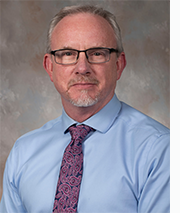
William Brim, Psy.D., is the executive director of the Consortium for Defense Psychology (CDP) at the Uniformed Services University of the Health Sciences in Bethesda, Maryland. He joined CDP in 2007, initially as a deployment behavioral health psychologist at Malcolm Grow Medical Center and served as deputy director until 2017. Prior to joining CDP, Dr. Brim served on active duty as a psychologist in the United States Air Force from 1997 to 2007.
Staff Perspective: Doctor, Heal Thyself - When a Sleep Psychologist Has Insomnia
May 27, 2026
 By Diana Dolan, Ph.D., CBSM, DBSM
Often in Cognitive-Behavioral Therapy for Insomnia workshops, the personal reactions of the providers attending to recommended interventions is palpable in the room – even when the room is virtual. On the surface, so many of the interventions are counterintuitive: Reduce time in bed when a person is that sleep deprived? Don’t go to bed early even if they actually feel sleepy for once? Wake up early on weekends even without any schedule obligations? Don’t relax in bed before bedtime? Of course, once we explain the rationale things seem much more logical. The goals are quite simply to boost sleep drive consistently over time (rather than say focus on one night), facilitate optimal consistent circadian placement of the sleep schedule, and re-condition the bed and bedroom for sleep.
Understanding the rationale helps providers better implement the CBTI protocol with patients as we can explain interventions more clearly. So the reactions of providers learning about CBTI does not necessarily seem to be about hesitation helping patients use it to improve. Rather, in my experience, reactions stem from a personal perspective. Do I need to start making all these changes to my sleep tonight? This sounds miserable! No, we who train CBTI reassure them, only people with insomnia need to use them. If you’re fine with your sleep, no need to change anything.
Except…what happens when I’m not fine with my own sleep? I’m a sleep psychologist, surely that should not happen! Well, unfortunately it does happen, and it probably happens for many of you providers yourselves reading this.
Personally, while I would not whip out a sleep log and start CBTI from the very beginning every time I have a bad night of sleep regardless, I must confess I do not always practice what I preach. Generally, once our patients have mostly good sleep and have learned the skills, after even one night of poor sleep I tell them they should immediately resume stimulus control to prevent a relapse. Instead, for myself I don’t always get out of bed for every awakening, and on occasion I have tried to sleep in or rest in bed on weekend mornings or even shifted back my alarm a few minutes on other days. Worse – gasp – I have indeed doom-scrolled on my phone in bed. I lay there at oh-dark-hundred filled with imposter syndrome thinking How did this happen? I’m supposed to be a sleep expert! What if I’m up for hours? I’m only going to get six hours of sleep…no, five now…maybe four. Ugh.
Whenever these bad nights occur, I accept that they will be miserable and acknowledge to myself they could continue further since I’m actively choosing not to make use of stimulus control skills in the moment. Fortunately, because I do at least limit sleeping in to an hour or less during these episodes and only a day here or there I have been able to build back a high enough sleep drive that bouts of insomnia only last a night or two. If they persisted, I would plan to give in after about five to seven nights and resume stimulus control, and I’d wait a bit longer to move to sleep restriction.
I still wouldn’t recommend this approach to patients. After all, there is a difference between a few bad nights of sleep and Insomnia Disorder. That said, if you too have occasional bad nights of sleep, even if you use CBT-I in your clinical practice for patients, I think it is alright to give yourself some grace in choosing how you handle them. Just remember you’re ultimately in control because you know how to get back to better sleep – and just don’t tell your patients!
The opinions in CDP Staff Perspective blogs are solely those of the author and do not necessarily reflect the opinion of the Uniformed Services University of the Health Science or the Department of Defense.
Diana Dolan, Ph.D., CBSM, DBSM, is a clinical psychologist serving as an Assistant Director of Training & Education with the Center for Deployment Psychology at the Uniformed Services University of the Health Sciences in Bethesda, Maryland..